Skip to content

Duties & Tariffs Included In the Price Shown

Baltzar

The Shawl Collar Cardigan: a Timeless Classic in Menswear

Style Guides · September 20, 2026 · Christopher Gustafsson

Introduction

There is a particular kind of garment that seems to resurface every few decades, dusted off and reintroduced to a new generation as though it were a discovery rather than a return. The shawl collar cardigan is exactly that kind of piece. Once relegated to the wardrobes of golfers, professors, and grandfathers, it has spent the last several years working its way steadily back into the rotation of the modern, well-dressed man — not as nostalgia, but as a genuinely useful alternative to the blazer.

Part of what makes the shawl collar cardigan feel so current is that it asks nothing new of the wearer. It doesn't require a shift in how someone already dresses, only a swap: reach for the cardigan instead of the blazer, and the rest of the outfit — the oxford shirt, the jeans or chinos, the loafers — stays exactly the same. That quiet compatibility, built on a garment with more than a century of history behind it, is precisely why it has found such solid footing in menswear today. It isn't a trend so much as a return to a piece of clothing that solved a real problem a long time ago, and still does.
Origins of a Collar

To understand the shawl collar cardigan, it helps to separate its two halves. The cardigan itself takes its name from James Brudenell, the 7th Earl of Cardigan, a British cavalry officer who led the ill-fated Charge of the Light Brigade during the Crimean War in 1854. Whether or not Brudenell himself actually wore a knitted, front-buttoning jacket into battle is disputed by historians, but the garment his officers favored to stay warm in the trenches took his name and never let it go. By the late nineteenth century, the cardigan had migrated from the battlefield to the wardrobes of English gentlemen, prized for its practicality: unlike a pullover, it could be removed without disturbing a carefully knotted tie.

The shawl collar is an older idea still, with roots that stretch back to smoking jackets and dressing gowns of the Victorian era — informal, at-home garments meant to be worn once the stiff formality of the day's tailoring had been shed. The collar itself, a continuous, unnotched roll that wraps around the neck without a lapel notch, was borrowed from these loungewear traditions and grafted onto the cardigan sometime in the early twentieth century. The combination made sense: a cardigan already read as relaxed, and the shawl collar reinforced that mood while still giving the garment a defined, collared shape rather than the simple crew or V-neck of an ordinary sweater.

From Ivy League to Golf Course

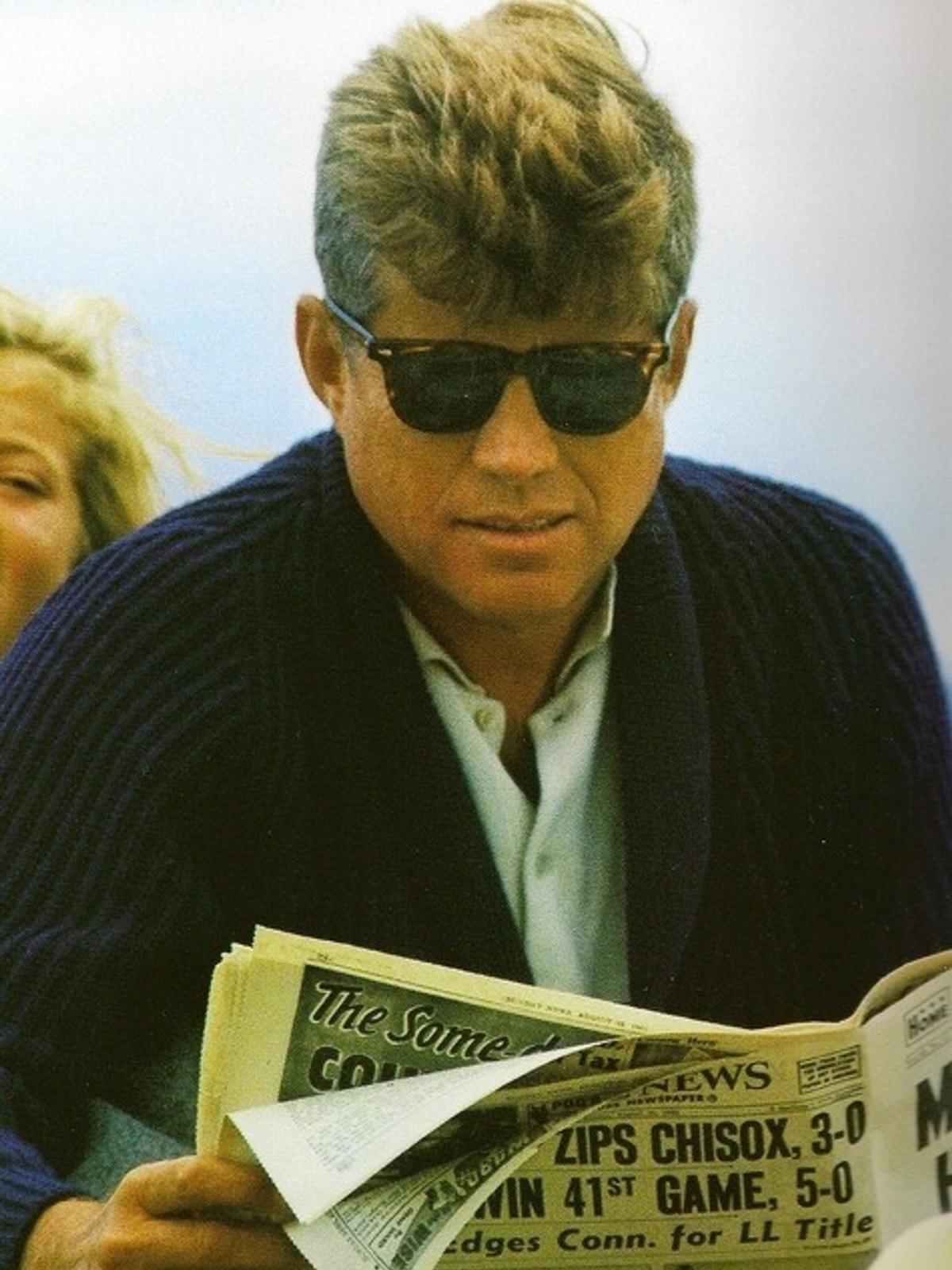
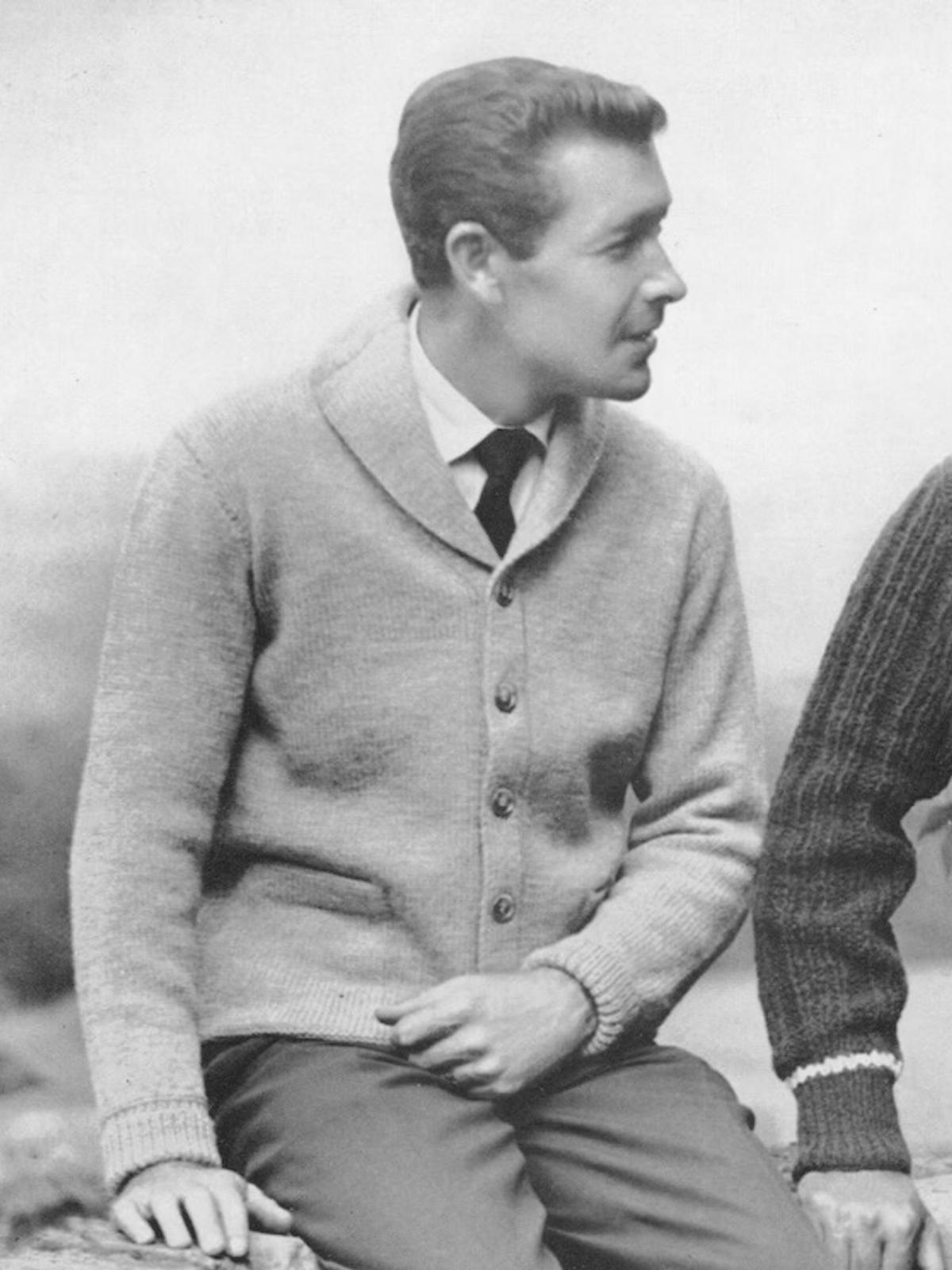
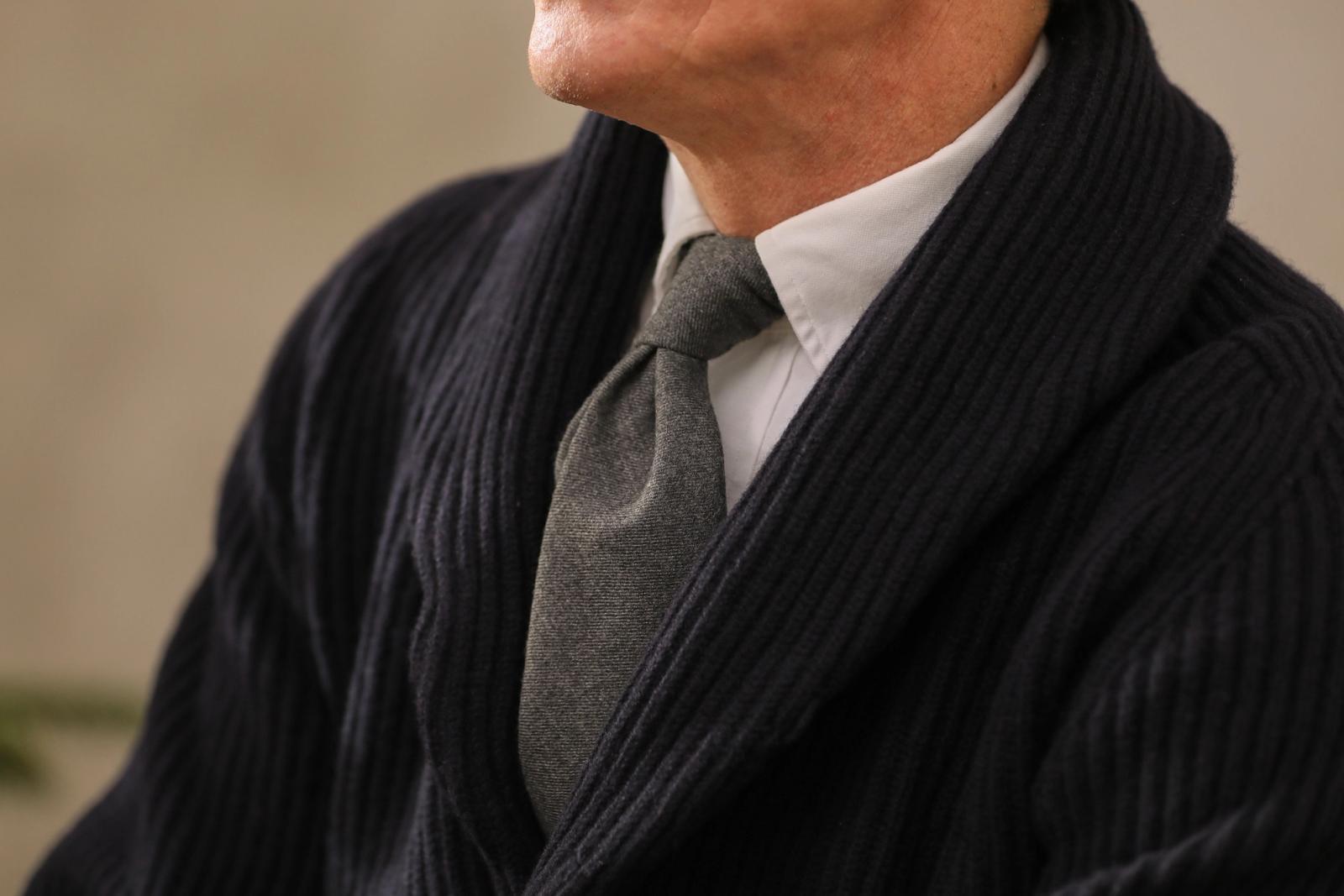
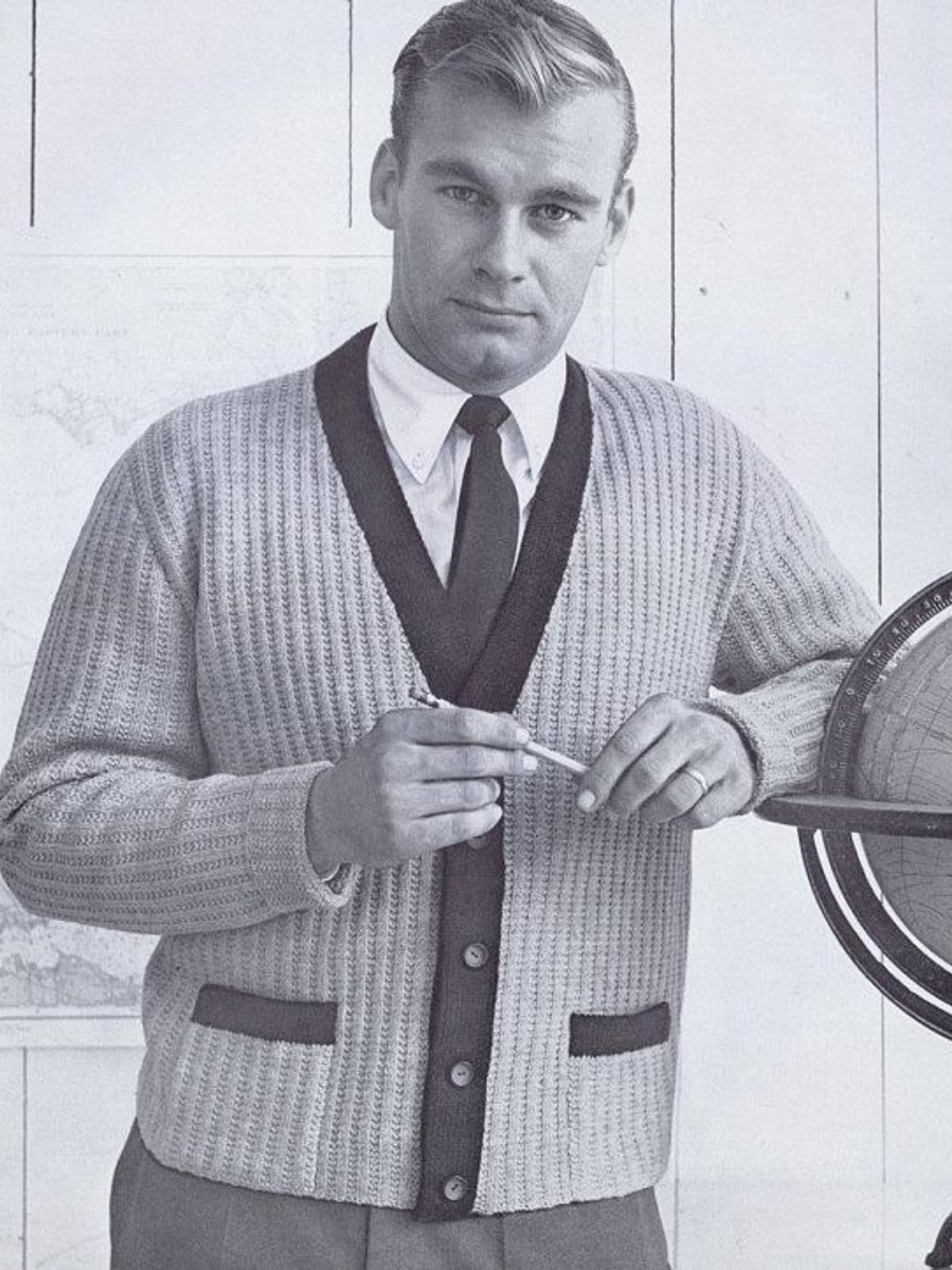
The shawl collar cardigan found its most enduring cultural home in two overlapping worlds: American collegiate style and the golf course. Through the 1950s and 60s, it became a fixture of Ivy League dressing, worn open over an Oxford shirt and tie, often in cream, navy, or grey lambswool. At the same time, it was adopted almost as a uniform by golfers — Payne Stewart, Fred Couples, and generations of club members wore it as a practical mid-layer that allowed freedom of movement while still looking put together on the fairway. This is largely why, for a long stretch of the twentieth century, the shawl collar cardigan carried a slightly fusty, country-club association that kept it out of step with mainstream menswear trends.

That association has faded. What has taken its place is an appreciation for the garment's underlying logic — the very things that made it useful to a cavalry officer or a golfer are exactly what today's dresser wants from a piece of knitwear.

Why It Still Matters

The renewed interest in the shawl collar cardigan tracks closely with a broader shift in how men are dressing for work and everyday life. As offices have relaxed and the traditional suit-and-tie uniform has loosened its grip, there has been a real appetite for pieces that can do the job of a blazer — adding structure and a sense of "finished" dressing to an outfit — without its formality or its stiffness.

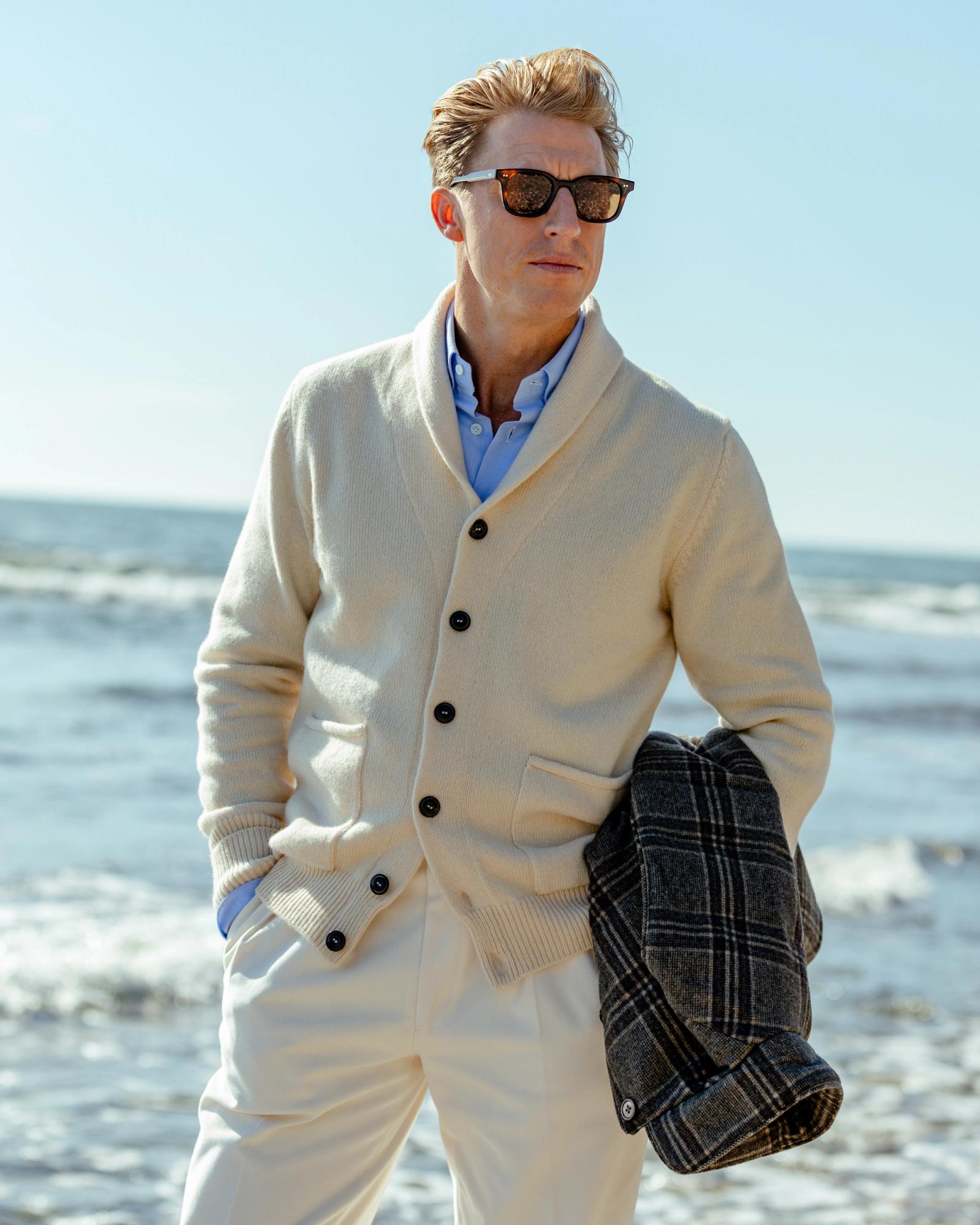
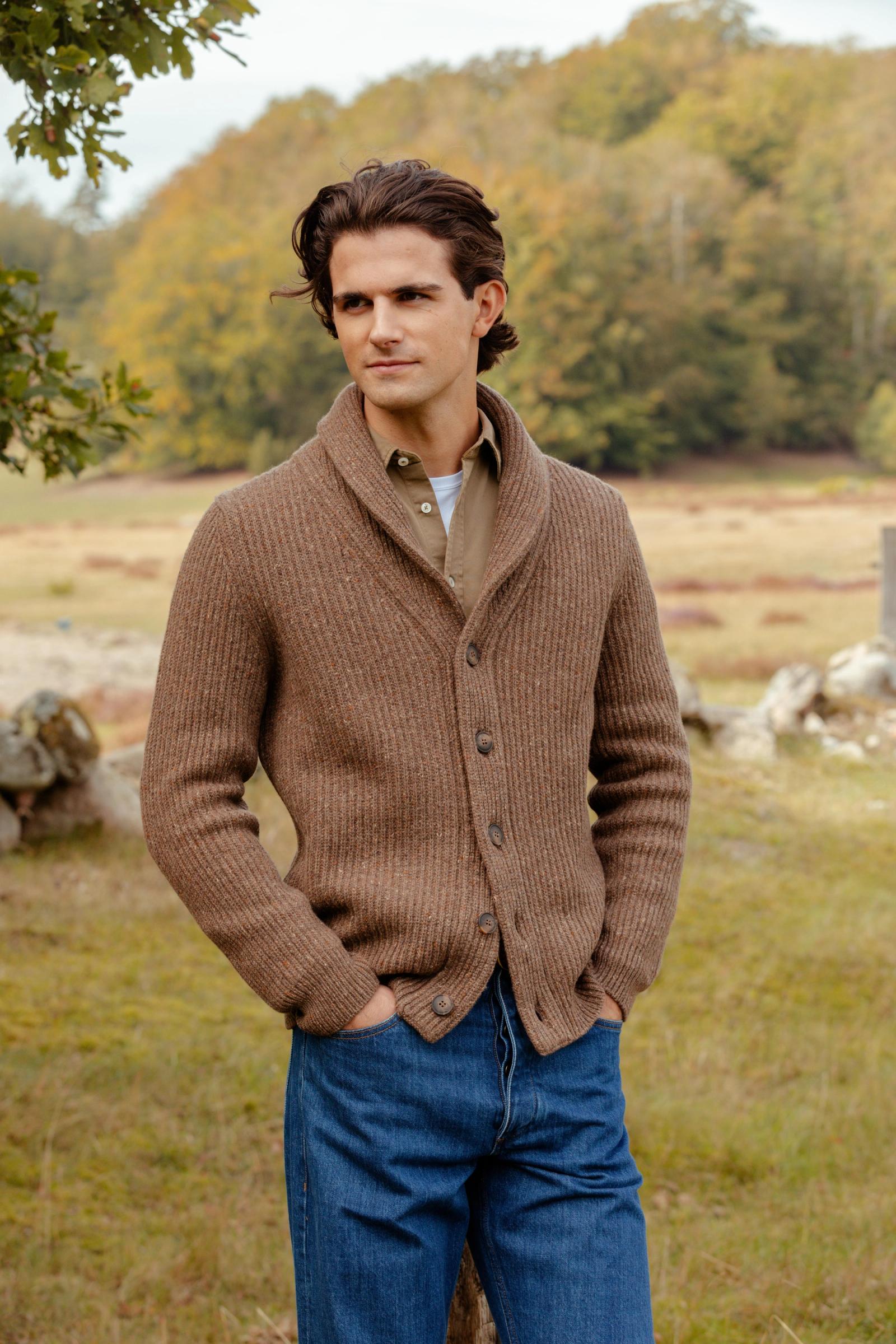
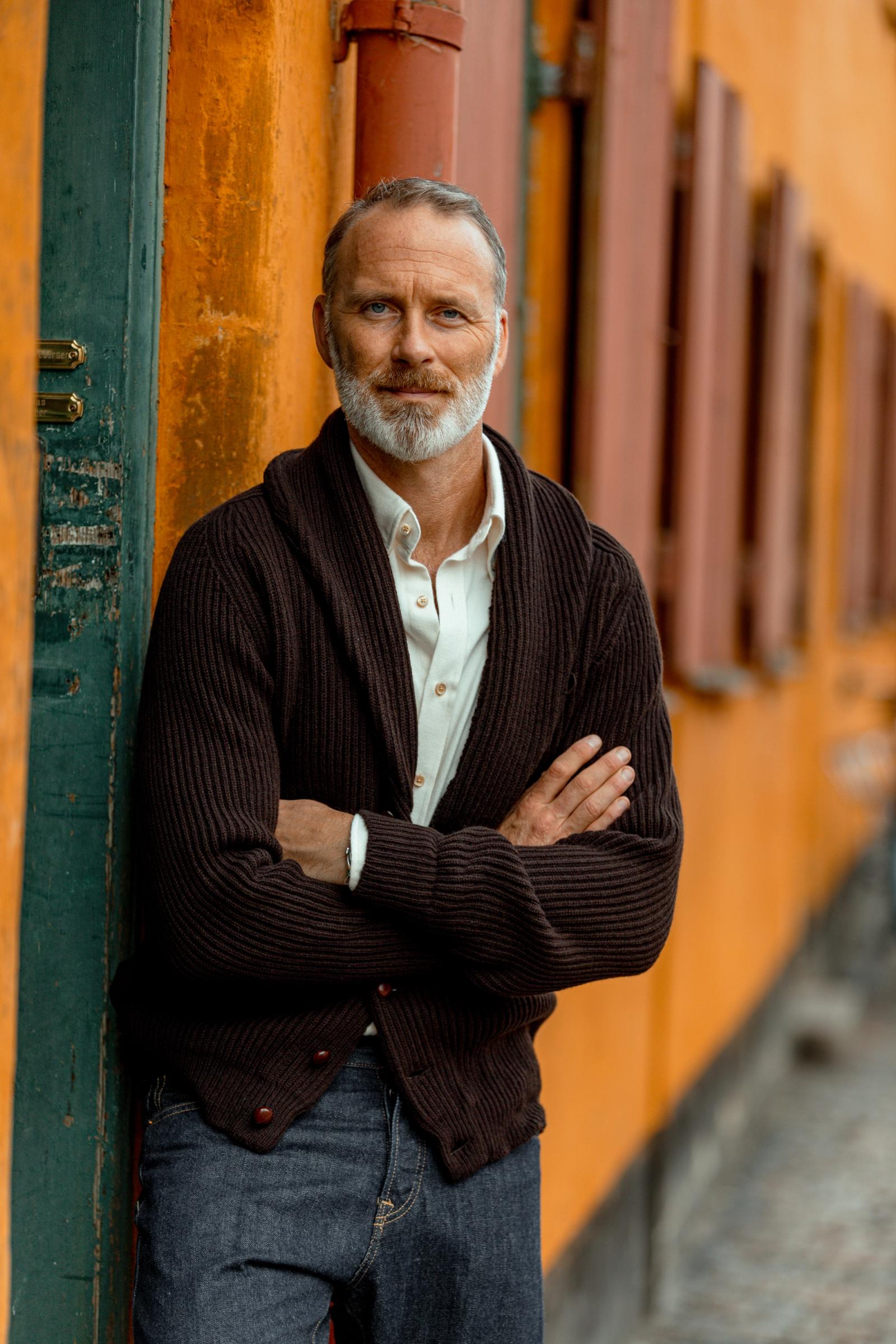
A well-made shawl collar cardigan, particularly one knitted from wool, lambswool, or a wool-cashmere blend, achieves exactly this. Worn open over a button-down shirt, it mimics the silhouette of a sport coat: the rolled collar frames the neck in much the same way a lapel does, and the closed front button gives the garment shape and structure rather than the shapeless drape of a cardigan worn loose. But because it's knitwear, it moves and breathes differently than a tailored jacket. It can be thrown on for a Sunday coffee run just as easily as it can anchor a smart-casual outfit for the office. This versatility — formal enough to look intentional, relaxed enough to feel effortless — is precisely what's driving brands to keep reinterpreting it season after season.

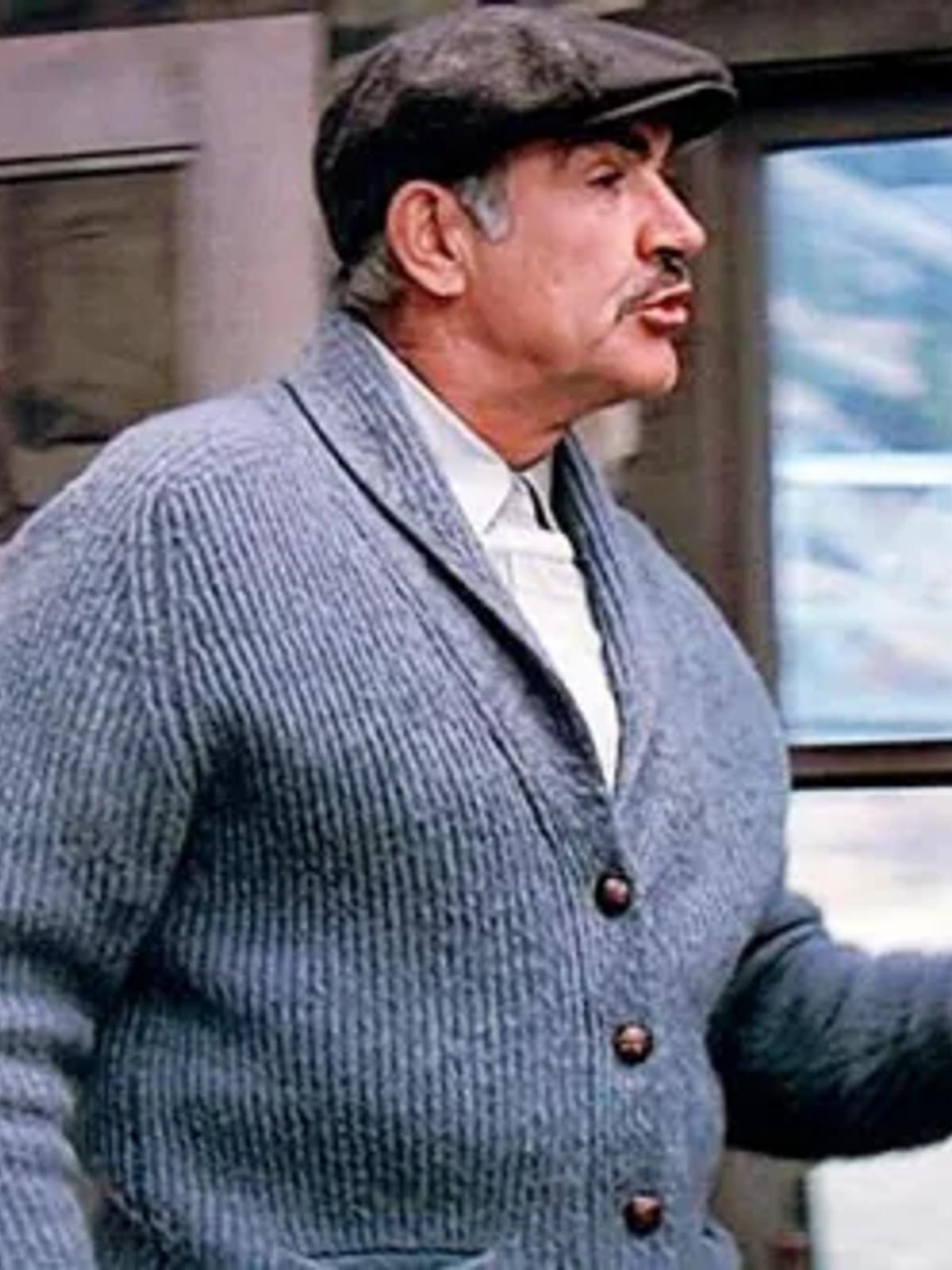
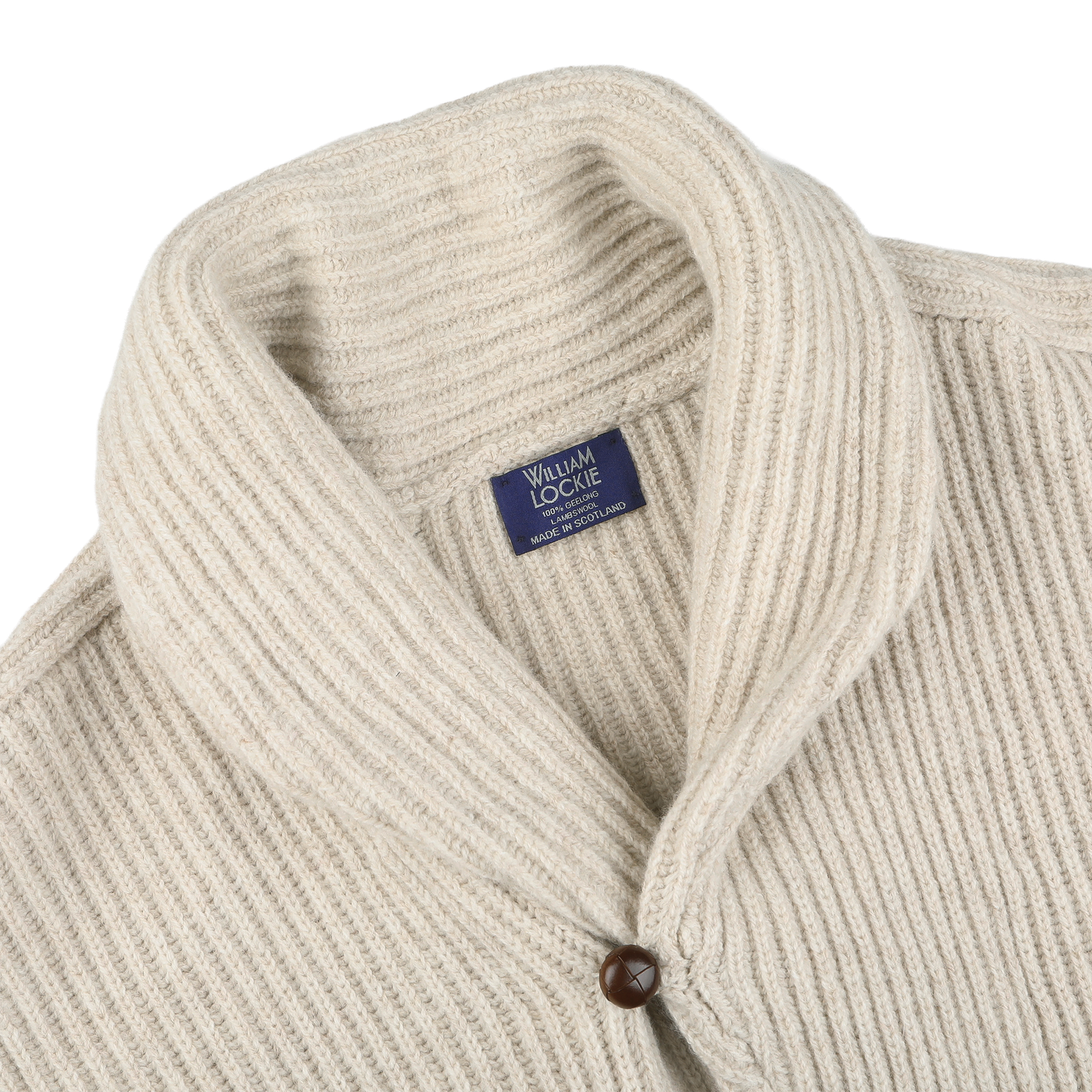
Menswear houses with strong knitwear heritage have leaned into this moment particularly well. William Lockie, the Scottish mill known for its pure lambswool knits, produces a navy shawl collar cardigan that leans directly into this blazer-substitute idea, pairing leather buttons and patch pockets with the kind of rib-knit construction that has defined Scottish knitwear for generations. Italian mills have taken a softer, more seasonal approach: Maglificio GRP's ecru wool-cashmere cardigan trades the classic navy for a lighter, more versatile neutral, while Gran Sasso's Donegal-effect cardigan introduces a flecked, textured wool-cashmere blend in dark brown — a nod to traditional Irish tweed knitting techniques reworked for a contemporary silhouette.

Style Inspiration

From Scottish lambswool knits to Italian wool-cashmere blends, menswear brands are reinterpreting the shawl collar cardigan season after season — proof that a century-old garment still solves a very modern dressing problem.

Tags:Menswear, Shawl Collar Cardigan, Style Guide