Skip to content

Duties & Tariffs Included In the Price Shown

Baltzar

Rain, Tweed and Steel: Visiting Corby & Chrysalis

Factory Visits · August 31, 2026 · Christopher Gustafsson

Corby: a Town of Steel

We had stocked Chrysalis coats for a while before we were able to see where they came from. Customers kept asking us how they were made and why they cost what they did, and we wanted better answers than the label gave us. So we made the trip to Corby.

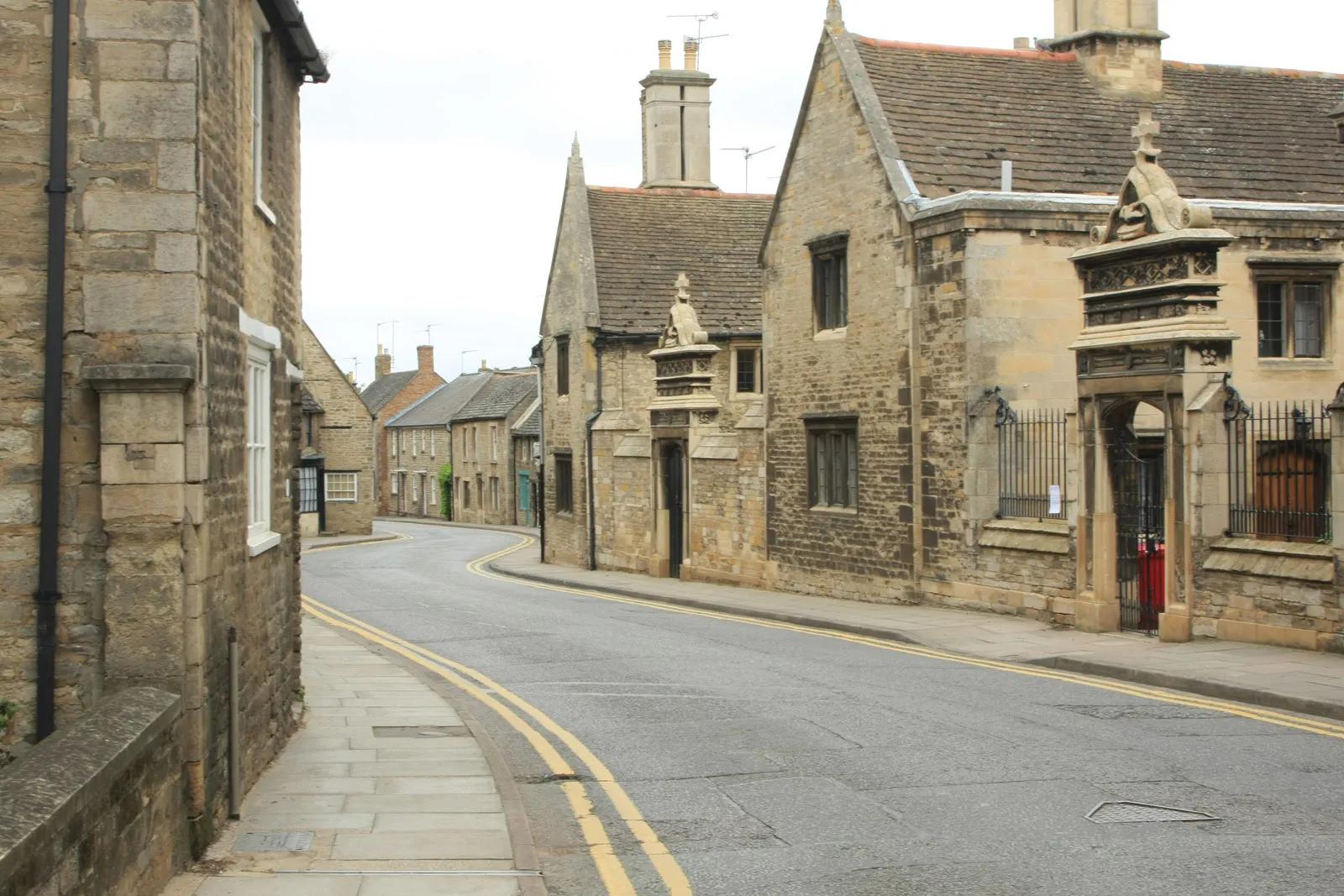
The town’s reputation is steel, built on furnaces and the families who arrived from Scotland to work them. What we found on Shelton Road was a tidy industrial estate and a modest unit with nothing outside to suggest that some of Britain’s finest country coats are made inside. The smell at the door gave it away: warm wool, steam and a hint of machine oil.
Where It Began

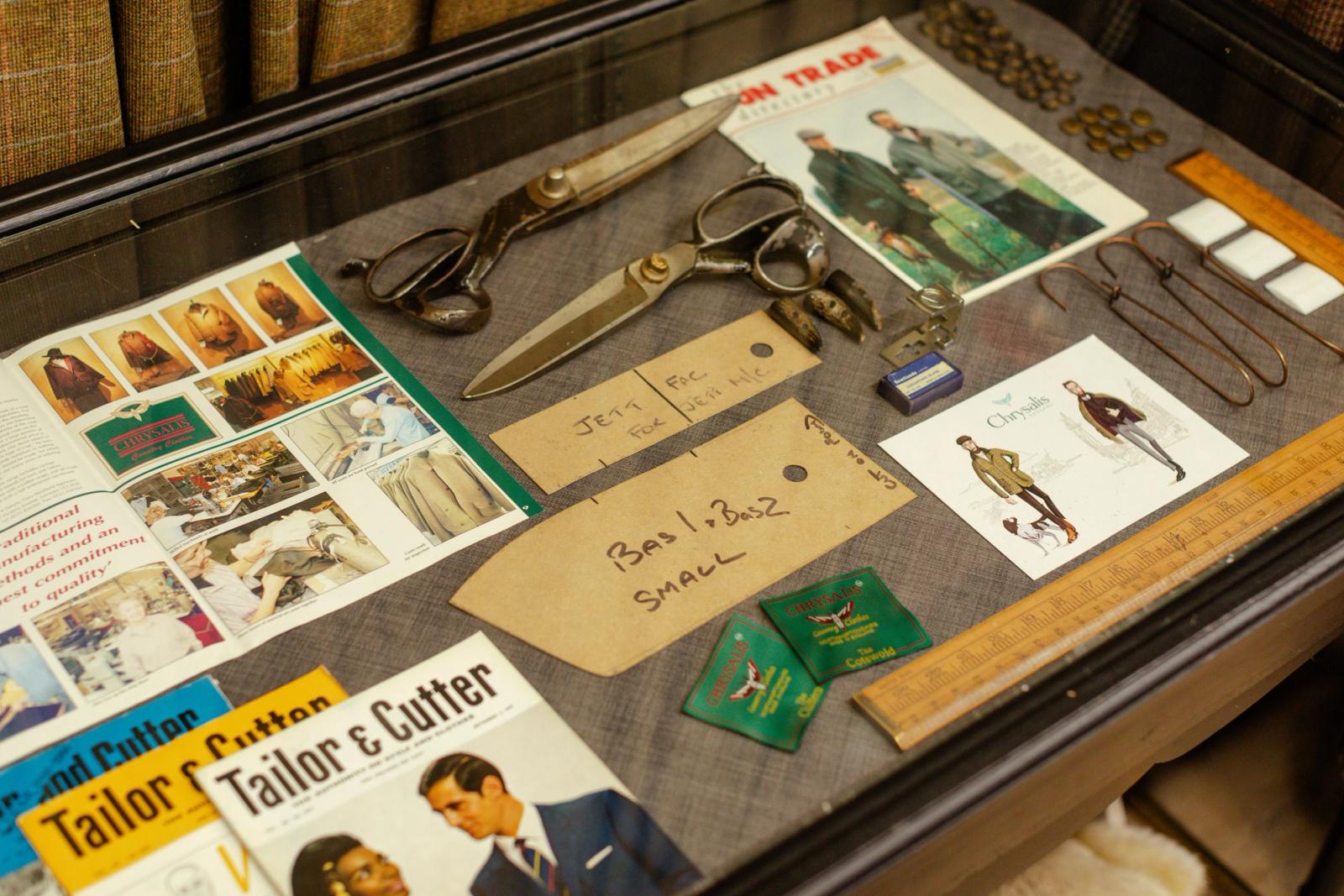
Chrysalis dates to 1985, when founder Chris Blackmore made what is credited as the first waterproof tweed shooting coat. Tweed had been the countryside’s cloth for generations, but it behaved like a sponge in a downpour. Making it weatherproof without ruining its handle and drape was a problem everyone complained about and almost nobody solved.

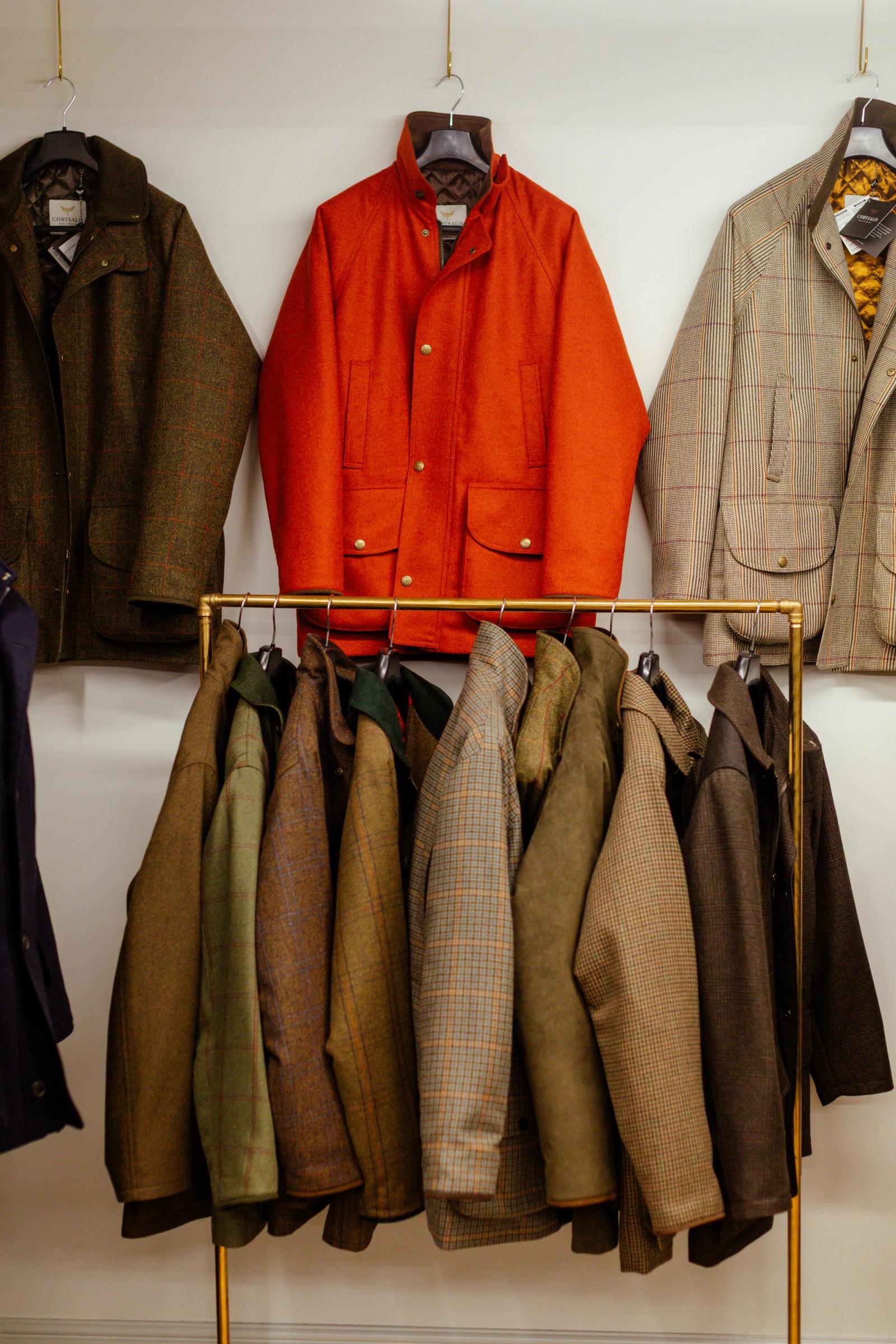
That one idea set the company’s course. Four decades later it still makes shooting coats, but the range now includes topcoats, rainwear for men and women, shooting vests, breeks and sports jackets, plus more recent retro workwear and military-style outerwear. Its coats reach fine stores around the world, and the company says they are worn by royalty, musicians and actors as well as farmers and game shooters.

Chrysalis

Factory Visit

The Cloth Room

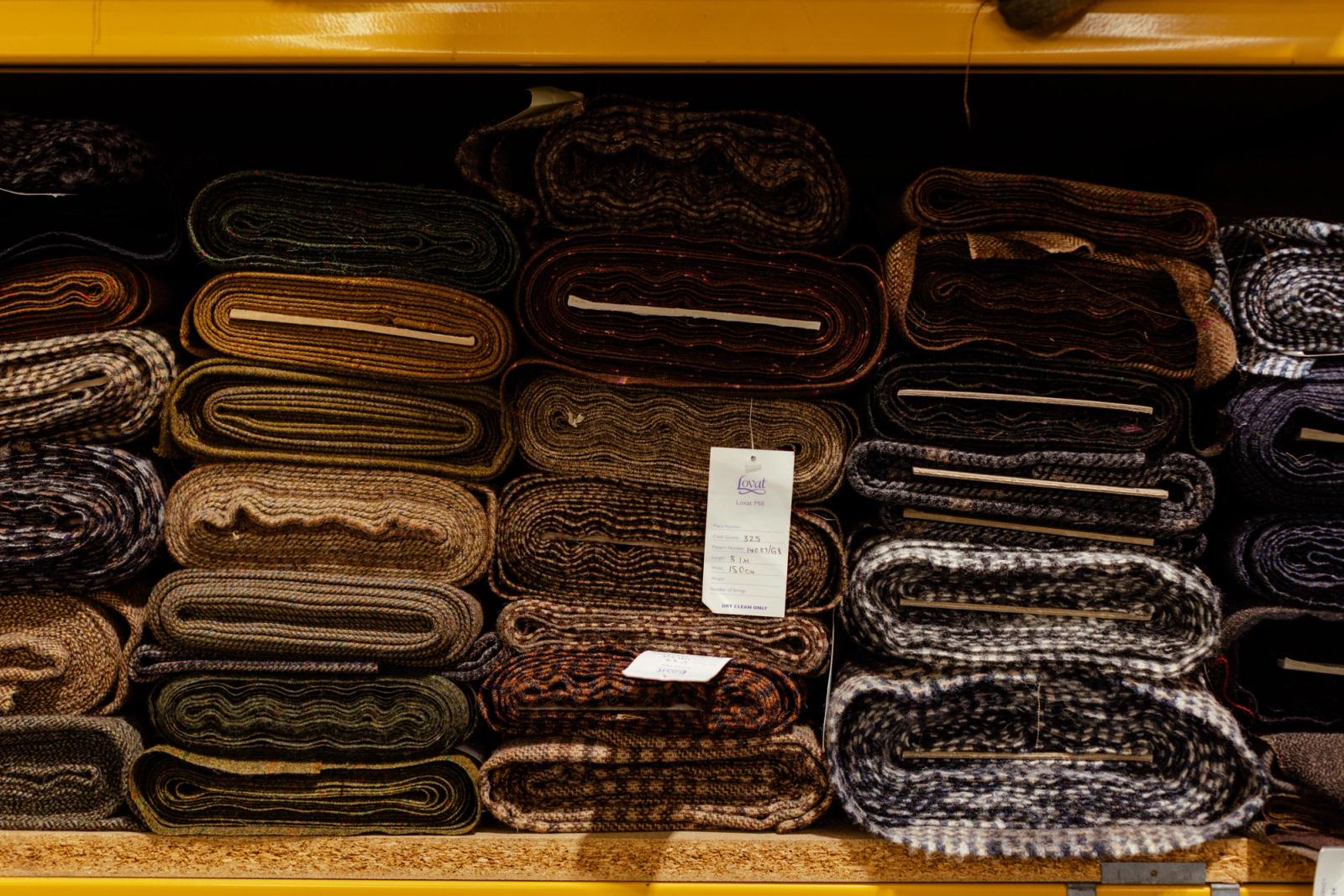
The visit began, sensibly, with the fabric. Rolls of tweed lean against the wall like sleeping giants, in herringbones, checks and heathery mixtures that look like a Highland hillside in October. Chrysalis uses natural fibres woven in the British Isles, and standing among the rolls we could see why that matters. Good tweed has weight and a slight roughness under the thumb, and it tells you how it will age.

One of us ran a hand along a roll of heavyweight grey herringbone, the kind that goes into the long raglan-sleeved overcoats. It was dense and springy, and it felt like cloth that could take a decade of weather.

Cutting by Hand

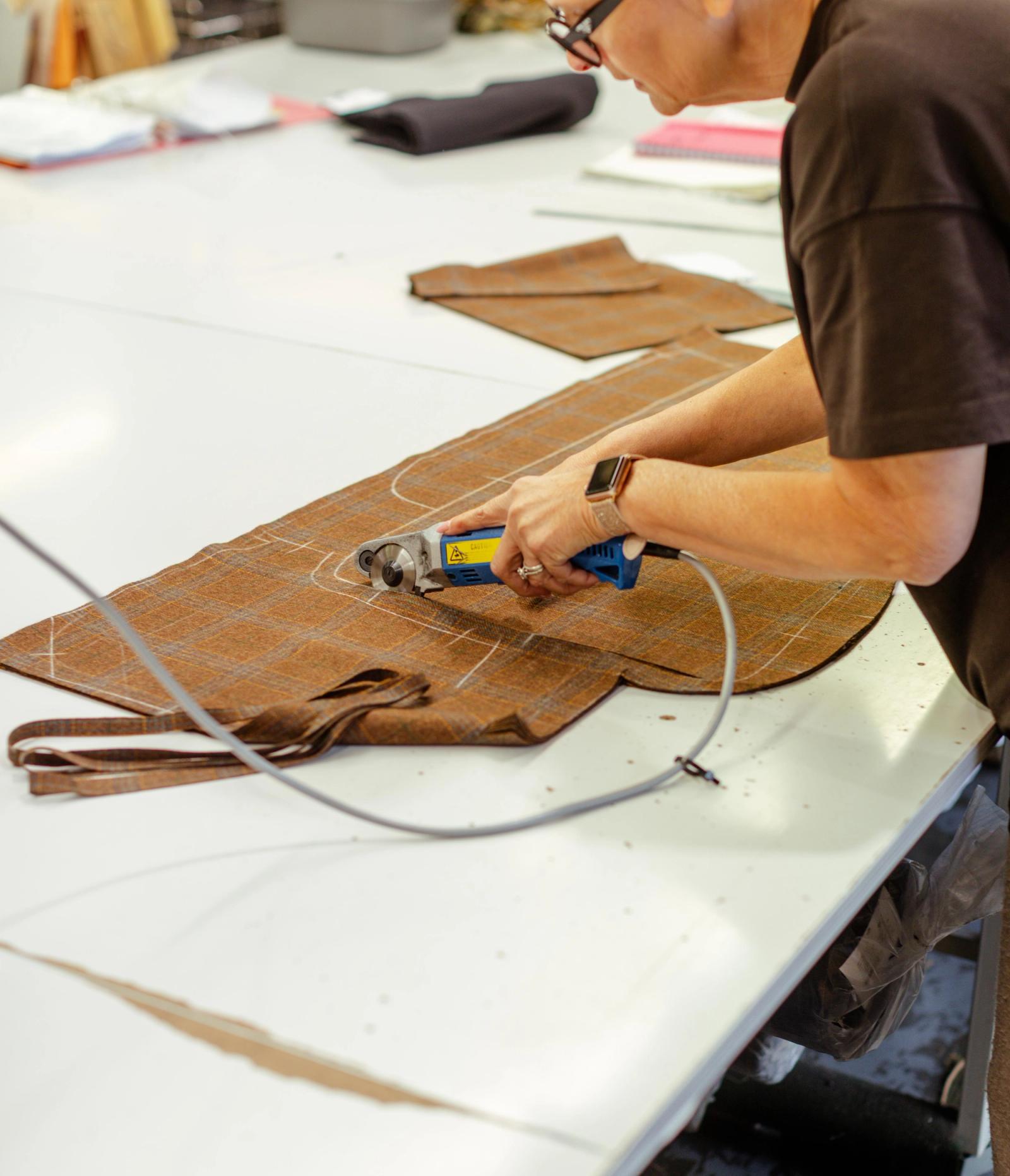
Every Chrysalis garment is individually hand cut, and the cutting table is the heart of the place. Here the cloth is read rather than simply sliced. The cutter smooths it out, studies the weave and positions each pattern piece so that checks meet across the seams and the herringbone runs true down the back.

Tweed is unforgiving, and pattern matching is where cheaper coats give themselves away. A check that drifts at the pocket or a stripe that breaks at the shoulder shows from across a room. Cutting one garment at a time is slower than stacking layers and running a machine knife through them, but it lets the cutter decide where every piece should sit on the cloth.

Making up & Finish

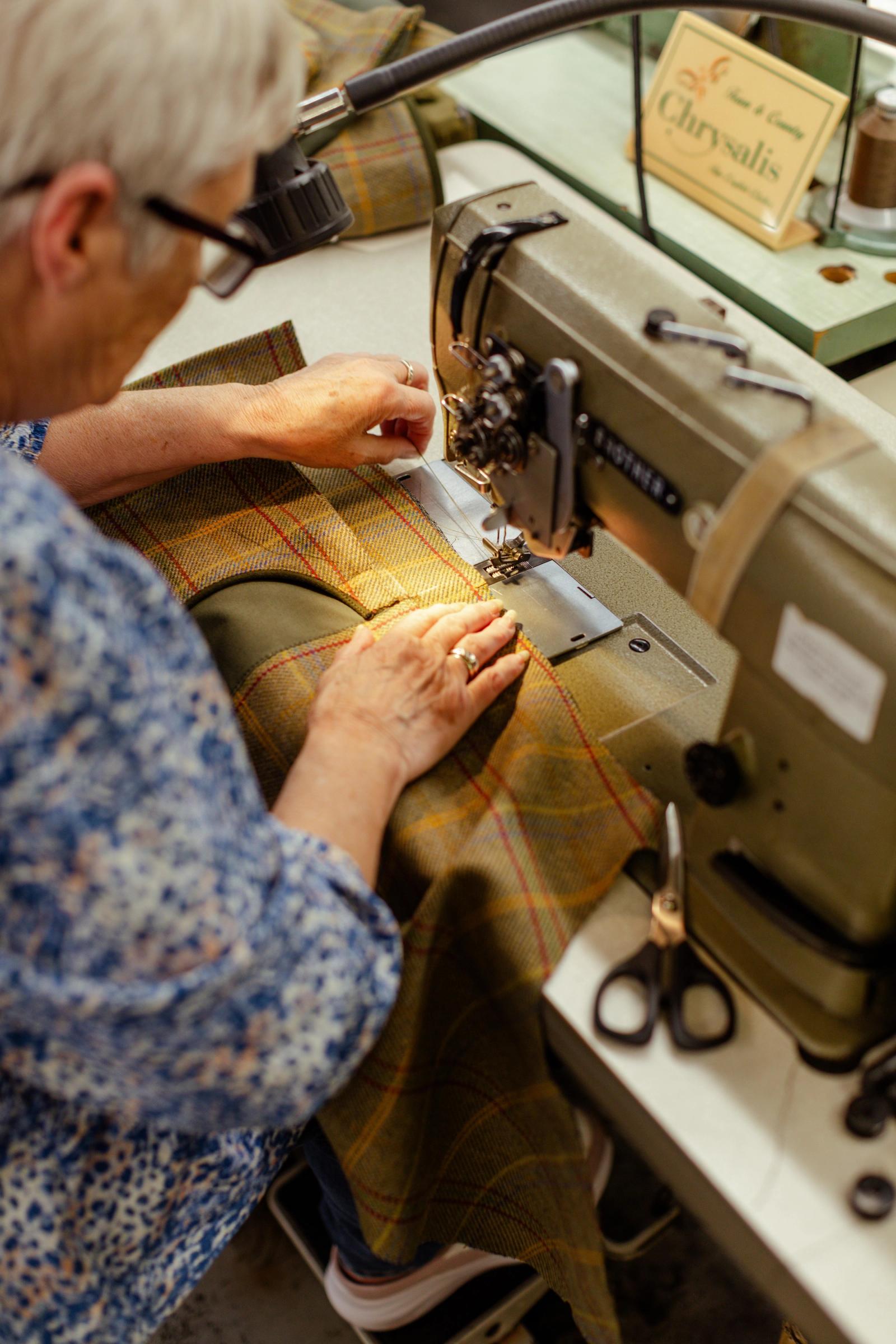
From the cutting table, bundles of pieces travel to the machinists, who work through each garment in stages. This is where the shape of a tailored coat takes form. Collars are built to stand properly against the neck, and sleeves are set so the arm can swing, reach and ease movements without the whole coat riding up.

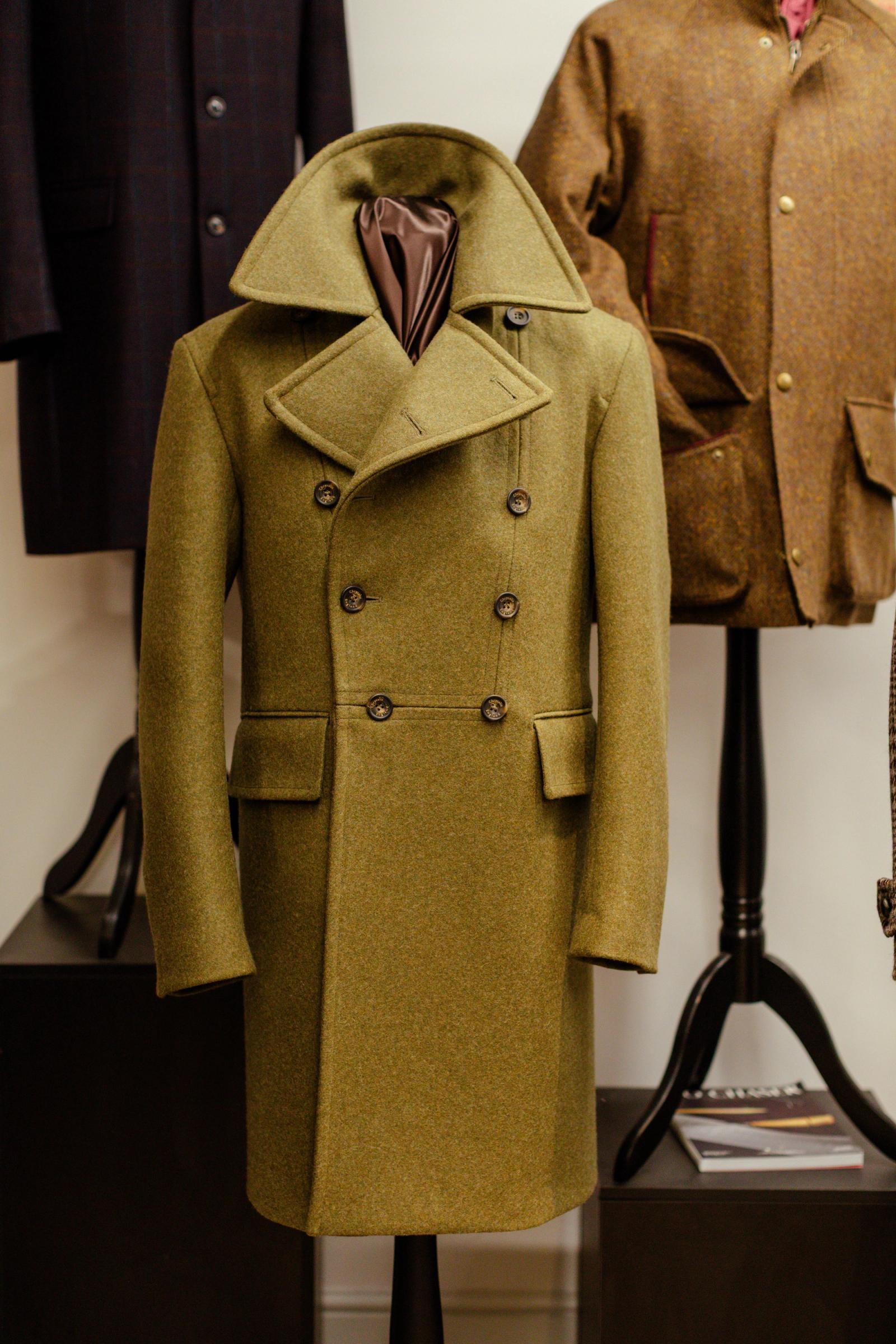
The raglan overcoats are perhaps the best example of this practice. The sleeve runs in one line from collar to cuff, with no set-in seam across the shoulder, which gives a generous, comfortable fit and a clean, classic silhouette. A tall collar adds weather protection. It is a design that began as practical dress and is still the best answer to the question it was asked.

Detail work is everywhere. Pockets are cut deep enough to be useful, and linings are chosen to make a coat easy to slip on over a jacket or jumper. Nothing is there for show, and nothing is missing.

Where Function Meets Tailoring

Many brands make a technical jacket, and many make a smart wool coat. Chrysalis is interesting because it insists on both in the same garment.

The functional side starts with the finish. The company combines traditional cloth with modern technology, including a Teflon-type coating that helps the fabric resist water and stains. Applied well, it protects without turning tweed into something that feels synthetic, so the coat keeps its drape, its texture and its character.

The tailoring carries the rest. Cut, fit, shaped collars and the way the shoulders move are what turn a weatherproof cloth into a coat you want to wear for years. On the finishing table, a presser worked a lapel with steam and weight, coaxing the roll into place without leaving a shine on the wool. It is quiet, old-fashioned work, and no machine does it.

A man in a navy double-breasted blazer, tie and grey trousers standing with his arms crossed

Frequently Asked Questions

Where is Chrysalis based?
In Corby, Northamptonshire, on the Willowbrook East industrial estate. Its garments are made at its factory there.

When was it founded, and by whom?
In 1985, by Chris Blackmore, who created the first waterproof tweed shooting coat.

What does Chrysalis make?
Tweed shooting coats, topcoats, rainwear for men and women, shooting vests, breeks and sports jackets, plus newer retro workwear and military-style outerwear.

What materials are used?
Natural fibres woven in the British Isles, including tweed and wool.

Are the coats waterproof?
Some use a Teflon-type finish that resists water and stains. Performance varies by style, so check the details for the coat you’re considering.

Are the garments really cut by hand?
The company states that each garment is individually hand cut and made by a team of craftspeople.

Tags:Made in England, Chrysalis, Corby, Heritage Outerwear

Related Articles

At the End of the Silk Road: a Visit to Adamley Textiles

Factory Visits · October 9, 2026 · Christopher Gustafsson
Macclesfield was once the world’s largest producer of finished silk. Today Adamley Textiles keeps that heritage alive from a valley in Langley. Join us on a visit to one of Britain’s last hand screen printers, and see how block, screen and digital printing bring colour to silk.
Read More

Crockett & Jones: a Day Inside Northampton's Shoemaking Heartland

Factory Visits · October 2, 2026 · Christopher Gustafsson
Walk through the doors of Crockett & Jones in Northampton, where English shoes have been made since 1879. Follow a pair from the clicking room to the welting machines, learn why Goodyear welting lets a shoe be resoled for years, meet the bestsellers and newer styles, and see what keeps Northampton's shoemaking tradition alive today.
Read More

A Weekend in Abruzzo: Visiting Maglificio Gran Sasso

Factory Visits · July 31, 2026 · Christopher Gustafsson
Come with us to the beautiful Abruzzo region and visit Europe's largest knitwear company, Maglificio Gran Sasso. See inside the factory and learn more about the craftsmanship behind the brand.
Read More