Why He's Still the Reference Point
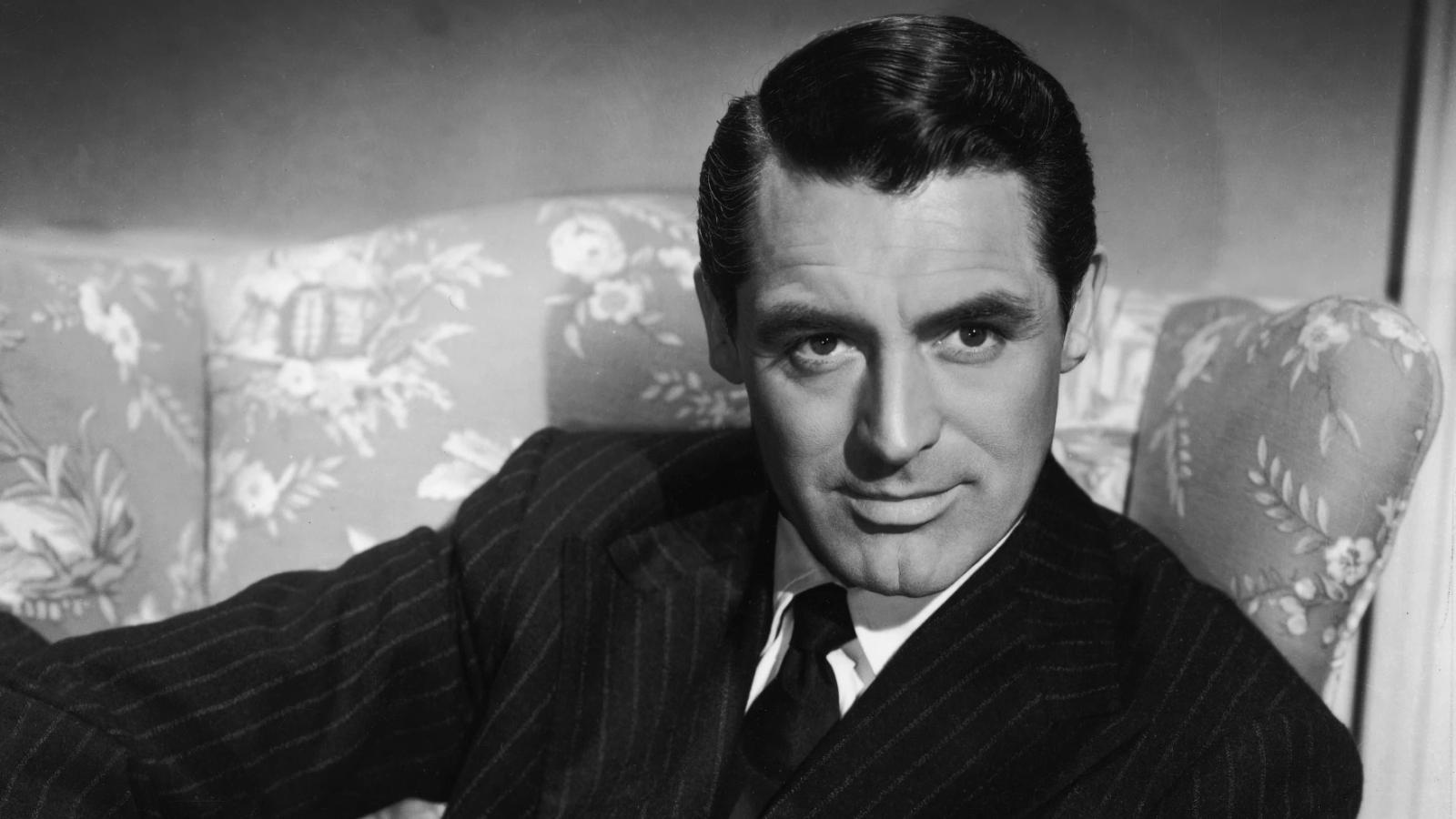
He solved the central problem of the suit: making rigour look relaxed. The suit is, structurally, a constraining garment — precise measurements, matched components, a strict grammar of how things are supposed to fit together. Grant’s genius was in making that rigour invisible, so that the clothing read as an extension of the man’s ease rather than as armour he’d put on.
His silhouette hasn't dated because it was never extreme. He avoided the era's most exaggerated shoulders and widest lapels even when they were fashionable, staying closer to a lean, longer line that reads as contemporary today rather than as a costume. A lot of 1940s and '50s tailoring looks distinctly of its moment when you see it now; a surprising amount of Grant's doesn't.
He proved that fit outranks expense. In an era of logo-driven, price-signalled menswear, Grant's insistence that a correctly fitted, well-made garment matters more than its price tag or its label is arguably more radical now than it was in his own time. It's advice that costs nothing and requires only attention.
The persona and the clothes were inseparable, which made the clothes feel earned. Grant built an on-screen identity — wry, self-possessed, slightly bemused by his own charm — that the clothes reinforced rather than manufactured. Because the wit and the tailoring arrived as a package, the tailoring reads as character rather than costume, which is why people still reach for "a Cary Grant suit" as shorthand for confidence rather than just for cut.