Skip to content

Fri frakt på alla ordrar.

Baltzar

A Day in Parma: Inside the Workshop that Anderson's Built

Factory Visits · July 26, 2026 · Christopher Gustafsson

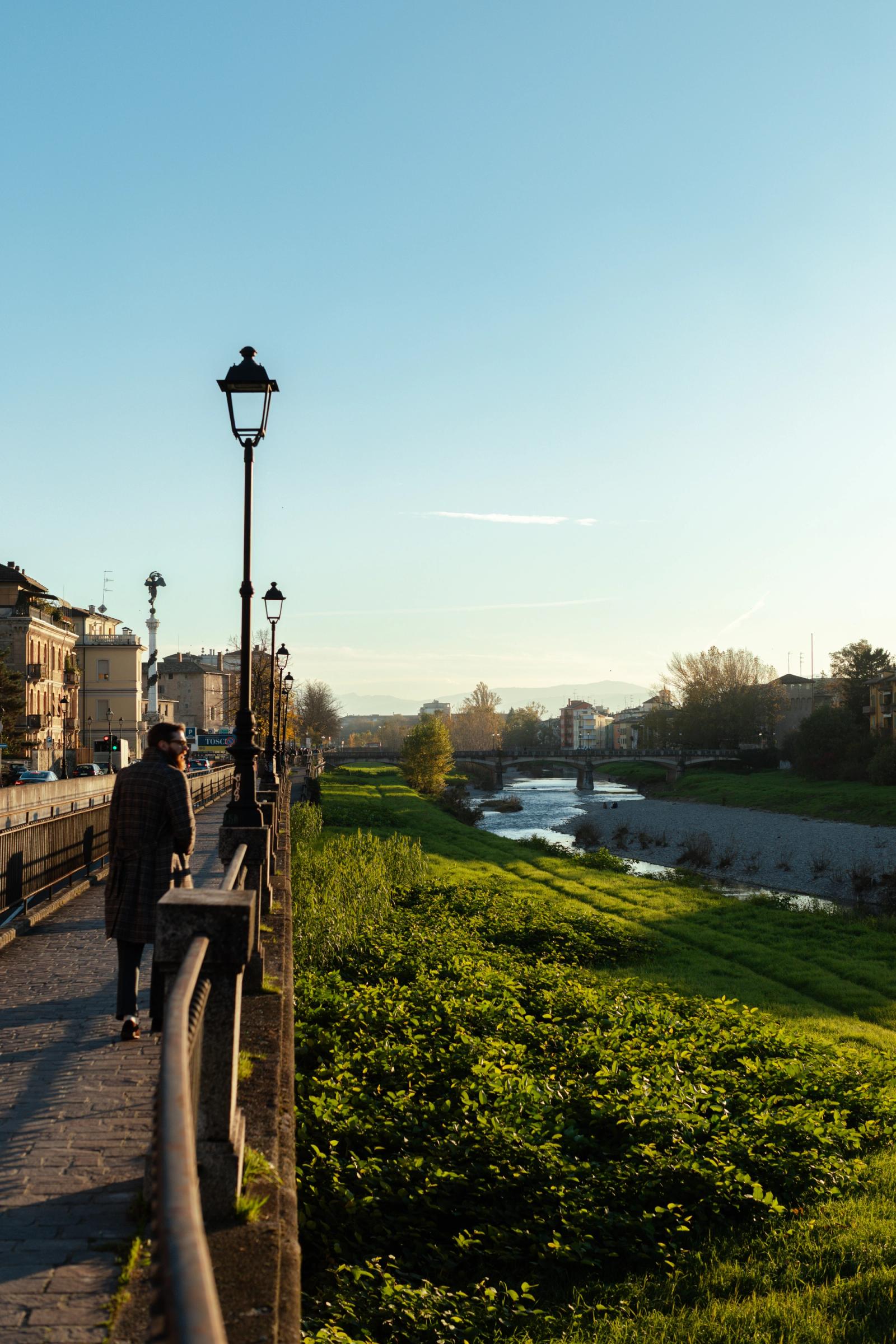
A tree-lined park path in Parma at dusk with a street lamp

Arriving in Parma

The train from Milan slows into Parma just as the morning fog is lifting off the Po Valley — the same low, silvery mist that ages the region's famous hams and cheeses in nearby cellars. It's easy to forget, stepping off the platform, that this quiet city known for Parmesan and Prosciutto is also home to one of Italy's most respected belt makers. But leather, it turns out, belongs to the same family of Parma traditions as food: patience, climate, and generations of stubborn craft.

Anderson's workshop doesn't announce itself with glass and signage. It sits modestly among the streets of Parma, the way a family business that has never needed to shout about itself often does. Inside, though, the scale of what happens here becomes clear fast — leather in every stage of transformation, from raw hides to belts nearly ready for a customer's wardrobe in London, Tokyo, or New York.

The company was founded in 1966 by Carlo Valenti, who came from a long line of Parma leatherworkers. He had a particular fondness for English tailoring, and named his new venture after Anderson & Sheppard, the storied Savile Row tailor he admired — which explains why a proudly Italian company carries a name that sounds like it wandered in from London. Today his son, Riccardo Valenti, runs the company, and by all accounts is as consumed by the details of the craft as his father was. He's known to spend the better part of his day on quality control alone — checking leather selection, inspecting cuts, catching the imperfections that would ruin a belt before it's even assembled — all while also steering the brand's presence in more than 80 countries worldwide.
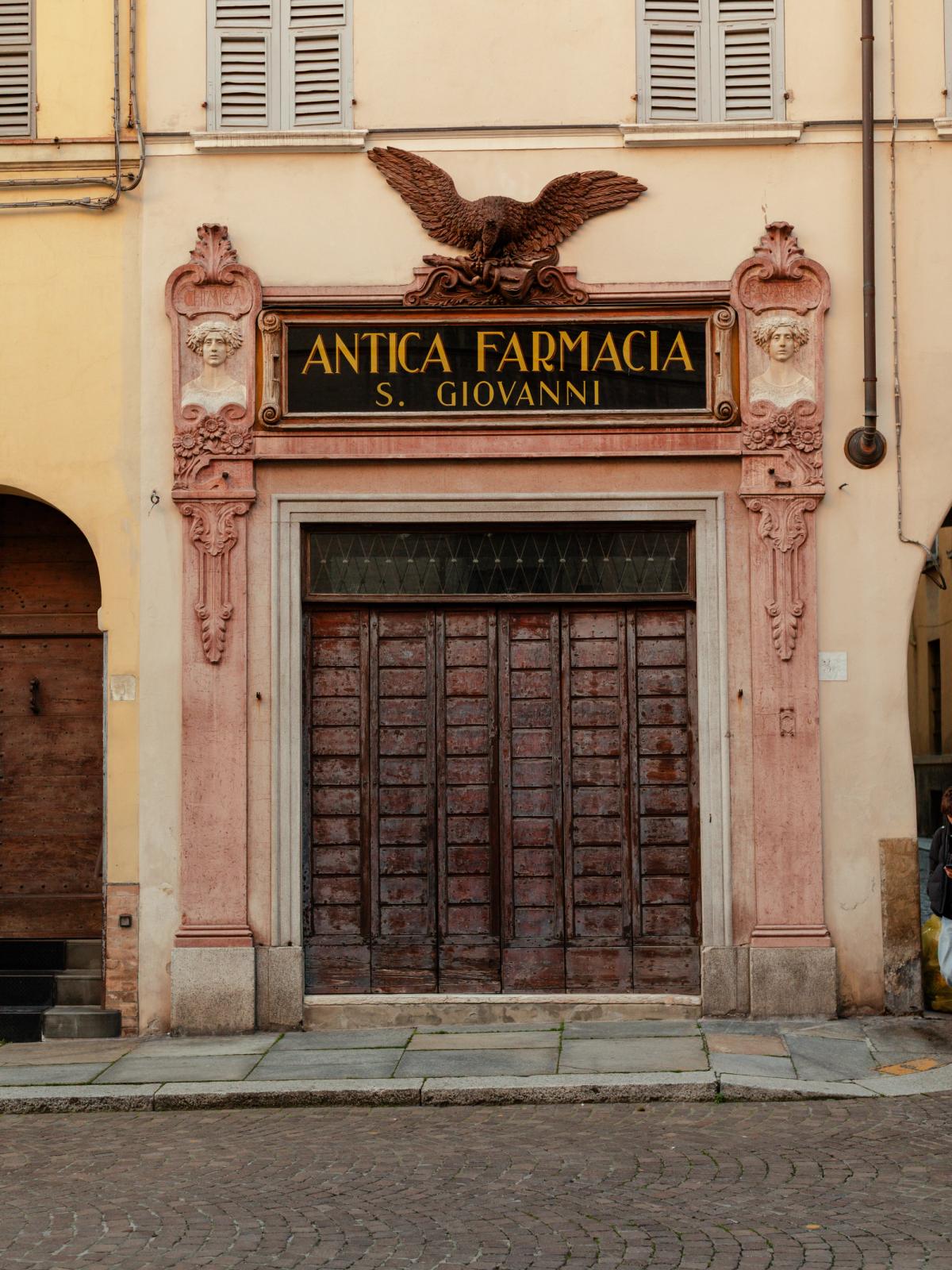
The historic facade of the Antica Farmacia San Giovanni in Parma
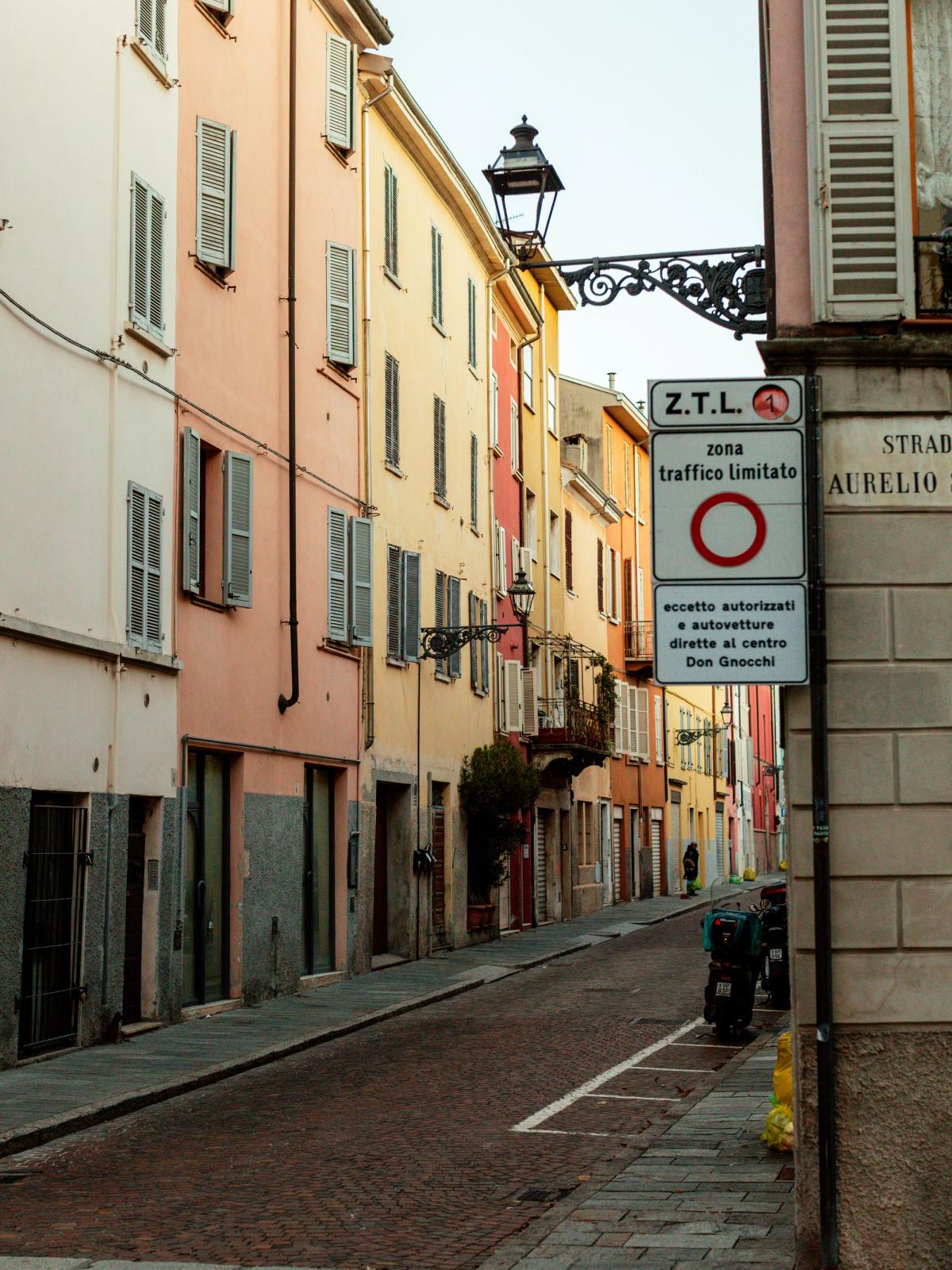
A narrow street in Parma lined with pastel-coloured buildings
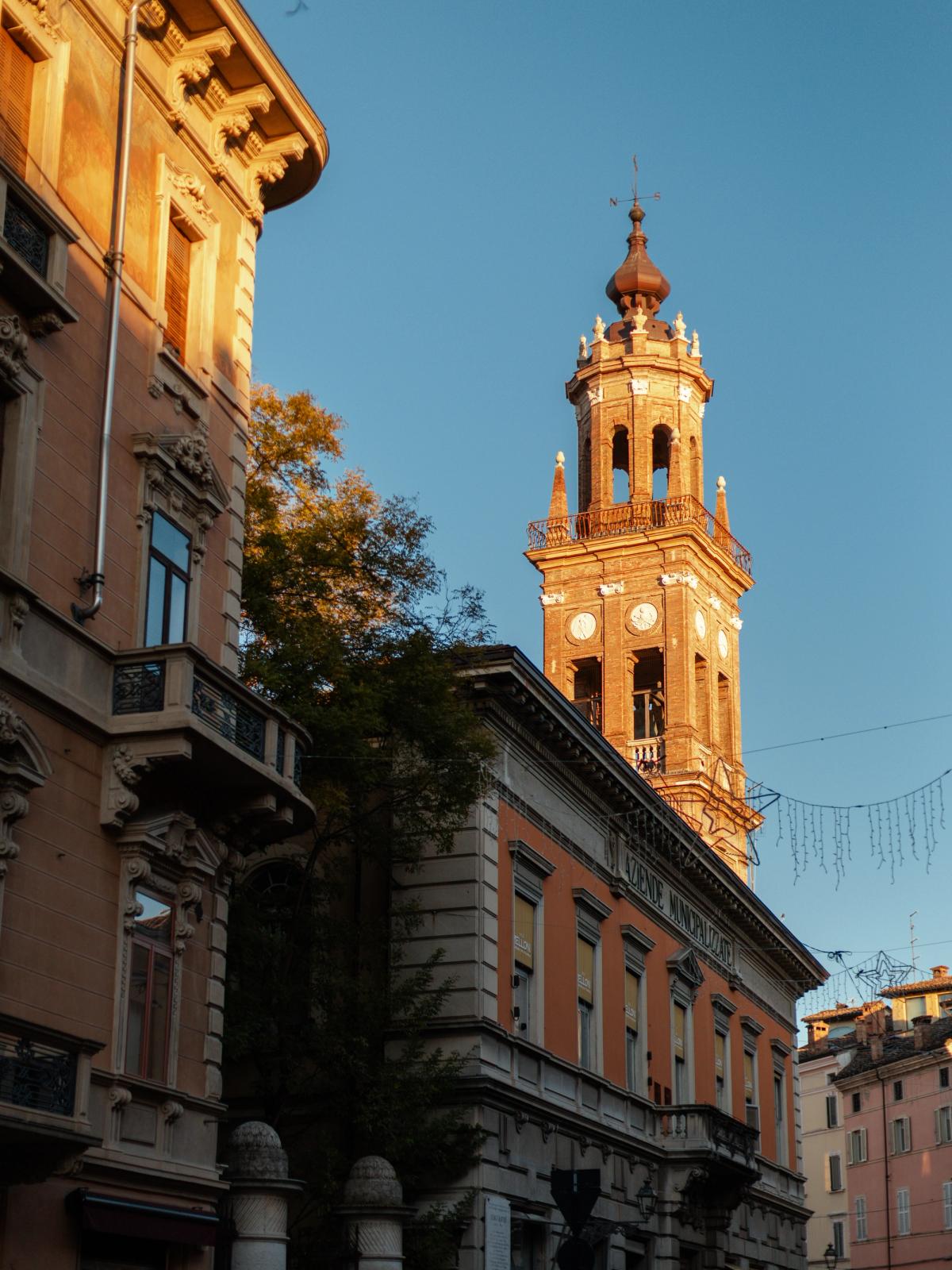
A church bell tower in Parma lit by late afternoon sun
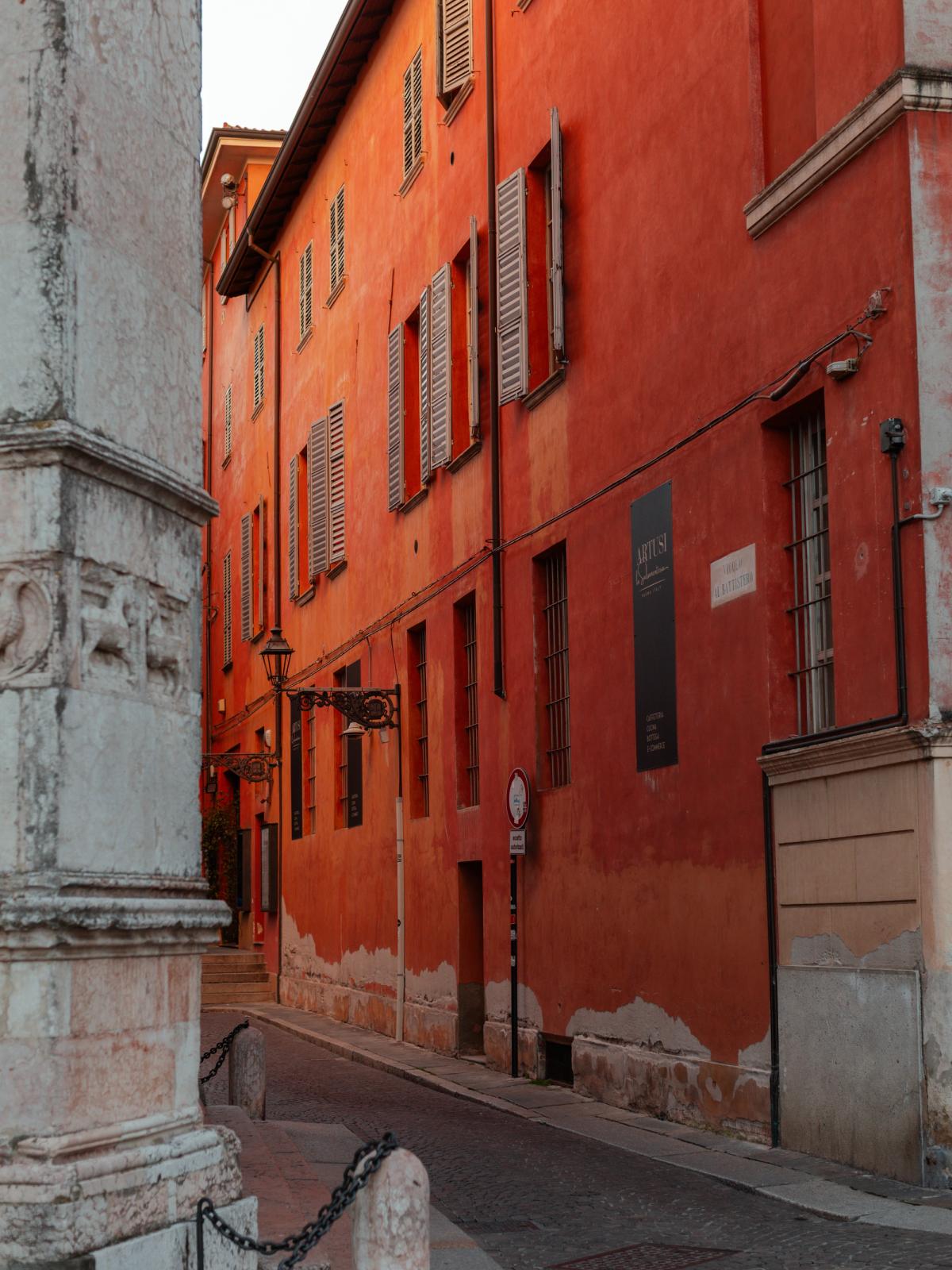
A red ochre building on a street corner in Parma
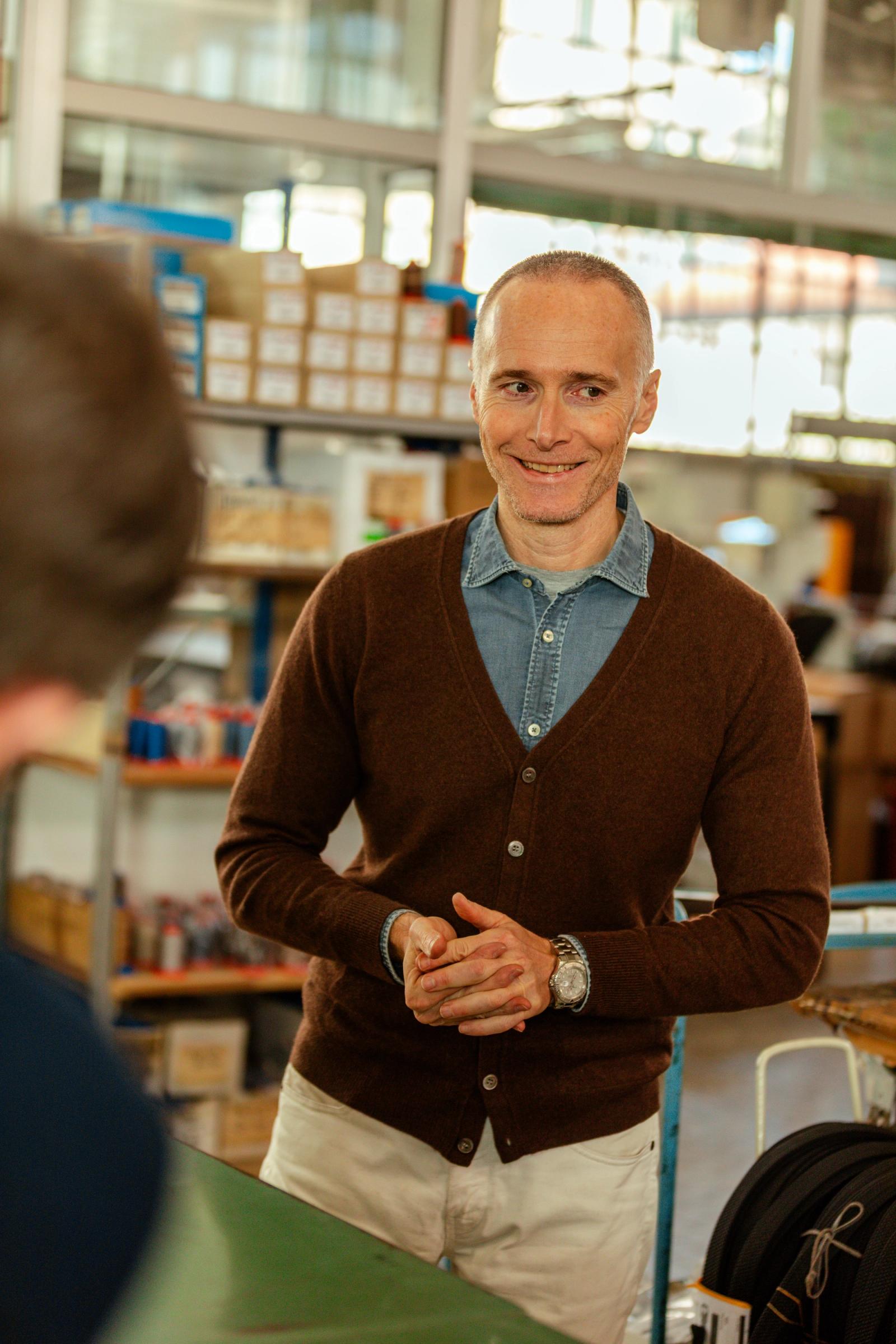
A smiling craftsman in a brown cardigan in the Anderson's workshop

Riccardo Valenti - Owner & CEO of Anderson's

Your father, Carlo, founded the company in the 1960s. When did you get involved in the company, and have you always felt that you wanted to take over?

It's been a kind of "sliding doors" moment. I personally started as soon as possible, when I was 18, and then I had to figure it out. I don't know if that was what I wanted at the time — I was very much out and about at the time — but I know it's never the right time, so I got started learning the trade from scratch, and I think it turned out quite well.

Anderson's has retailers all over the world, including the US, Europe and Asia. Can you elaborate on your strategy for finding new retailers, and which market or markets had the most growth over the past few years?

Anderson's has retailers all over the world, and we've been growing constantly in all markets over the last 20 years, but now it's different. We are entering "uncharted territories," and I think that from now on it will be more about focusing on the core markets like the US, Europe, Japan and Australia. While Europe has had the most growth over the last decade, I think the US on its own is going to be absolutely relevant over the next 10 years — despite all the buzz around tariffs and duties — it's the place to be. As for retailers, we're not planning to open any new accounts in the short term; instead, we'll be focusing more closely on our relationships with our current customers. This will be crucial for us.

When we first met, you talked about how it takes a lot of passion and hard work to succeed as a niche brand in today's market. Can you please elaborate on that, and also give your thoughts on why Anderson's has been so successful around the world?

As for Anderson's secret sauce, I think it's due to two key factors. First of all, we are "real and true," and in today's world that means being different. Second, we prioritise quality above all, no matter what, no matter how — and I think that translates into the product and how it's perceived by the consumer. I think we stand out from the crowd, because you can always spot an Anderson's belt among the others, thanks to our constant obsession with making things better — with improving every detail, even when improvement seems unnecessary. It's always needed. Remember: it's a belt, but not just a belt.

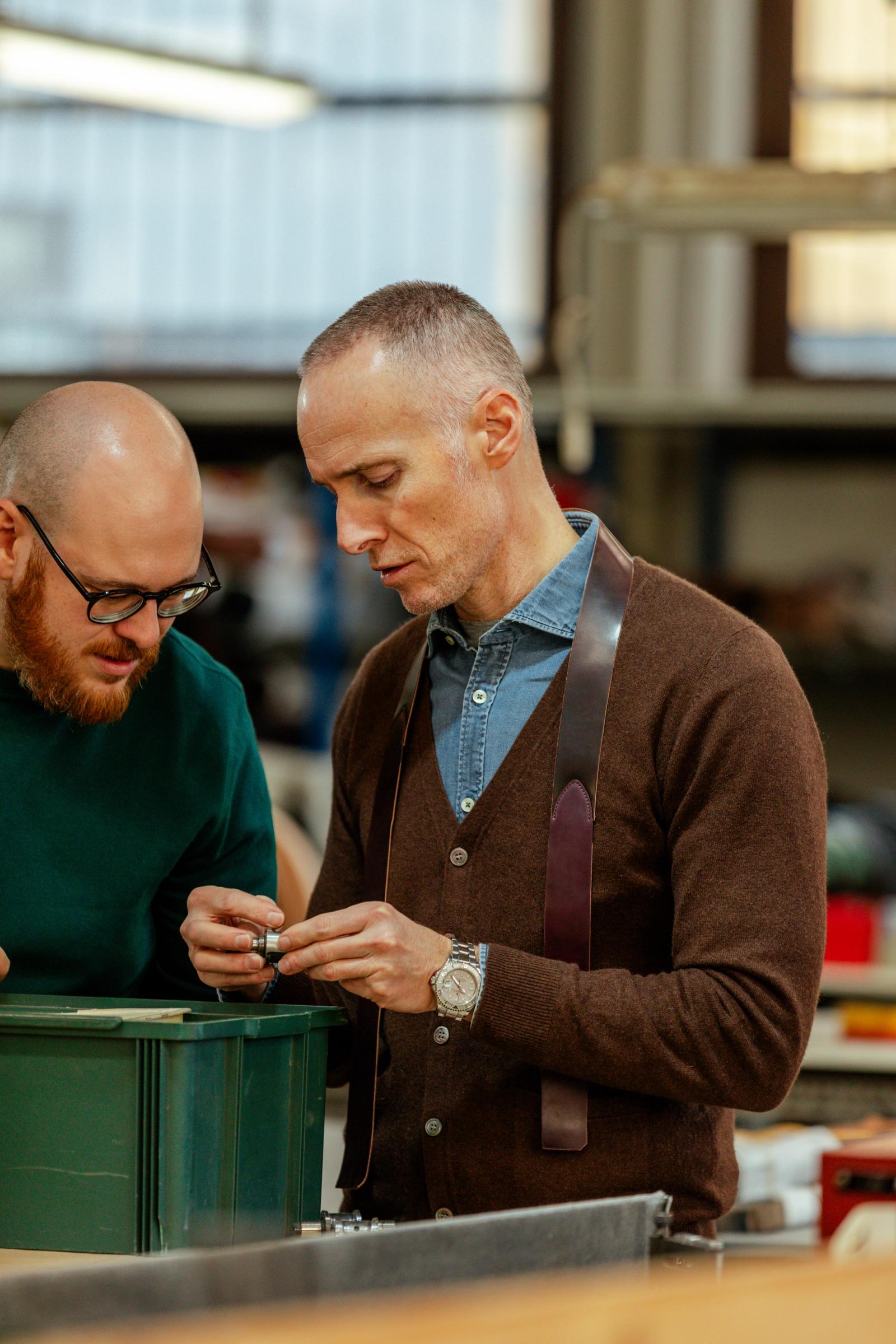
Two craftsmen examining a piece of work together in the Anderson's workshop

The Art of Moving Forward

Speaking of product development — the creation of new products and collections — can you tell us more about the process of developing new products?

The constant obsession with new things and the curiosity of finding them is fundamental to our product development, since the creation of new products and collections is always part of an ongoing process — each collection is a continuation of the one before it. This helps us preserve our brand identity without standing still, so we can improve and move forward without becoming a different brand.

You also mentioned the importance of continuous growth in your workforce, since it takes up to 10 years before a new employee is fully trained. Can you elaborate on the process of finding new workers for your factory, and what qualities you're especially looking for?

Regarding the workforce, I think the best strategy is not having a strategy. Since our "mastery" is based on very personal aspects — like character, behaviour, and environment — it's really personal, and since everyone is different, you have to approach each person differently and adapt, trying to help create the master he or she could be. In other words, you have to be like a sculptor with a piece of marble. Sometimes you succeed, and sometimes you don't, but you keep carving. As I said, not everyone can do the same job, but everyone can do their own job.

Finally, where do you see Anderson's in the next 5–10 years?

I don't know about the future, but one thing I know for sure is we'll keep climbing, we'll keep learning, and we'll keep moving forward. We'll do our part, and we'll do our best. Then... we'll see.

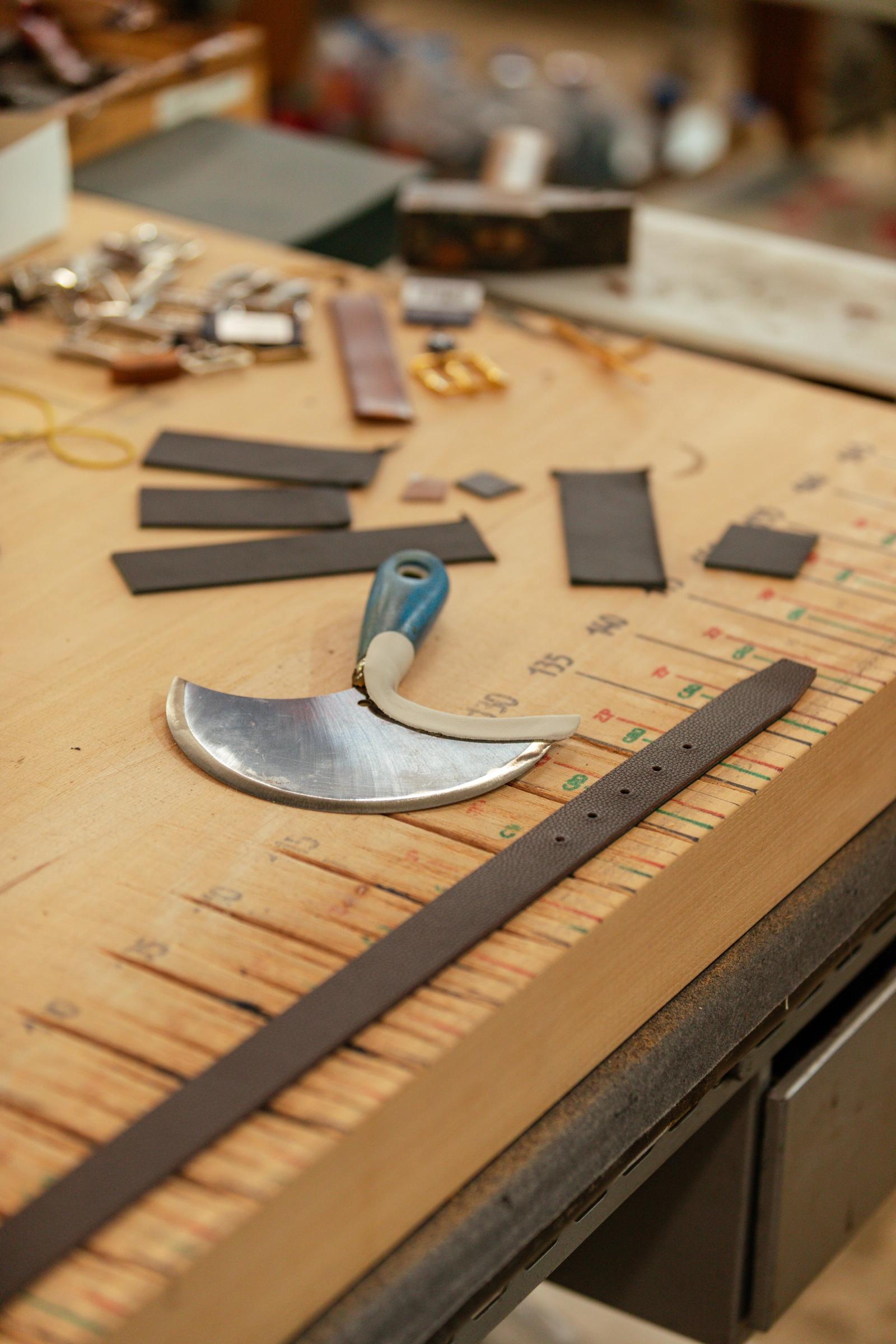
Leather strips and a half-moon leather knife on a workbench

Inside the Workshop

Ask anyone in menswear circles what Anderson's means, and the answer usually comes back to two things. First, the woven belt — the brand's iconic multicolour stretch design that became a runaway signature in the late 1980s, transforming the company from a quiet regional factory into an internationally recognised name. Second, an old-school devotion to technique: vegetable tanning, hand-tooled saddle leather, suede, nappa, and exotic skins, all still finished by hand in the same Parma workshop where it began nearly sixty years ago.

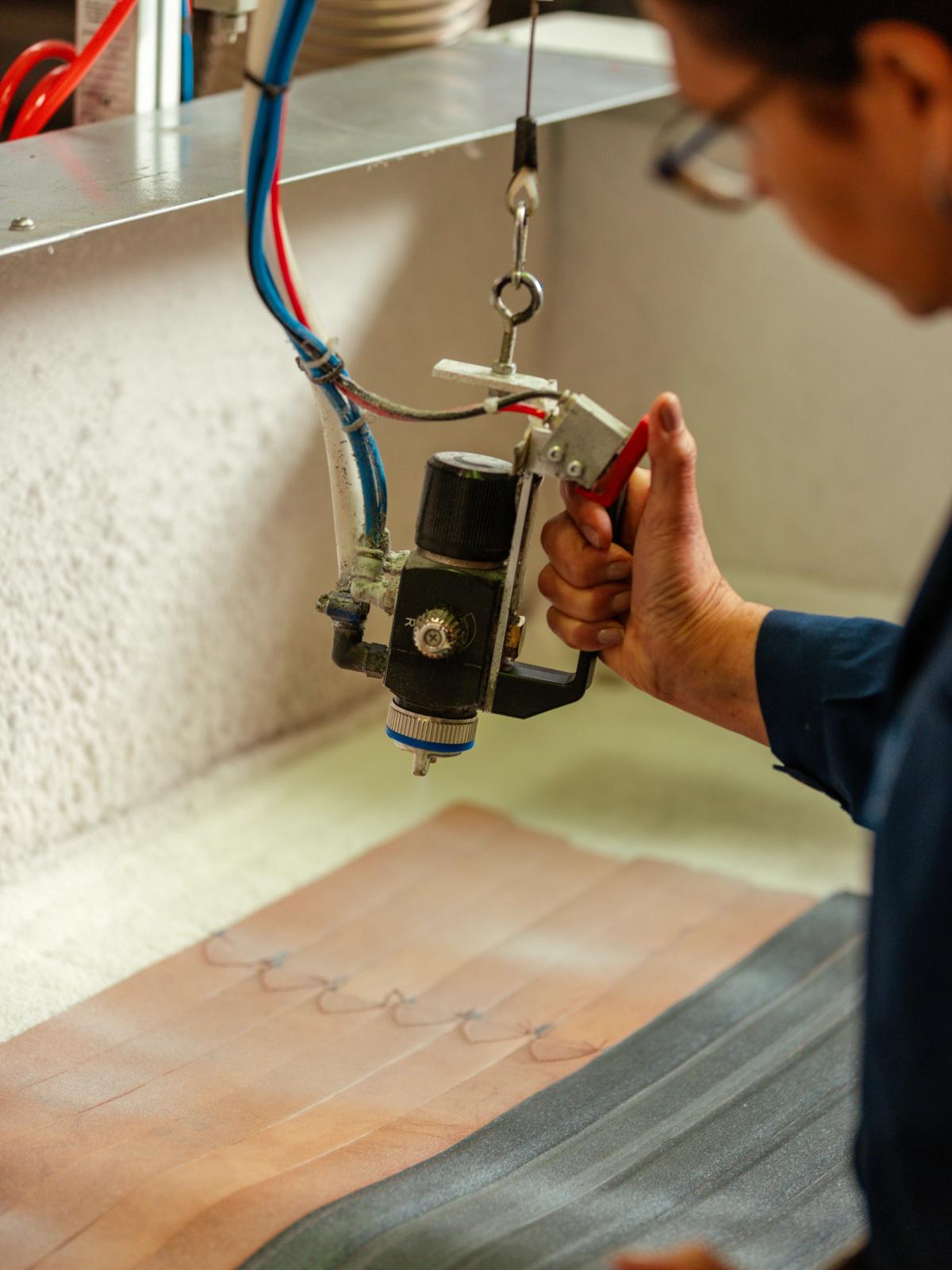
What's striking, watching the process up close, is how unhurried it all is. A single leather belt isn't one piece of hide — it's three layers, glued together, each cut so its properties match precisely, often from the very same piece of leather. Softer, more delicate skins demand a completely different touch than a leather with visible grain, which is more forgiving to work.

Once those layers are bonded, the belt is left to rest for five to seven days before anything else happens to it. Then comes a sequence of finishing rounds — three of them, spaced roughly a week apart — designed to seal the layers so seamlessly that, in the finished belt, they're invisible. What looks like a single strip of leather is, in truth, a small feat of lamination and patience. Across the whole process, a belt passes through around 100 individual steps before it's ready to leave the building.

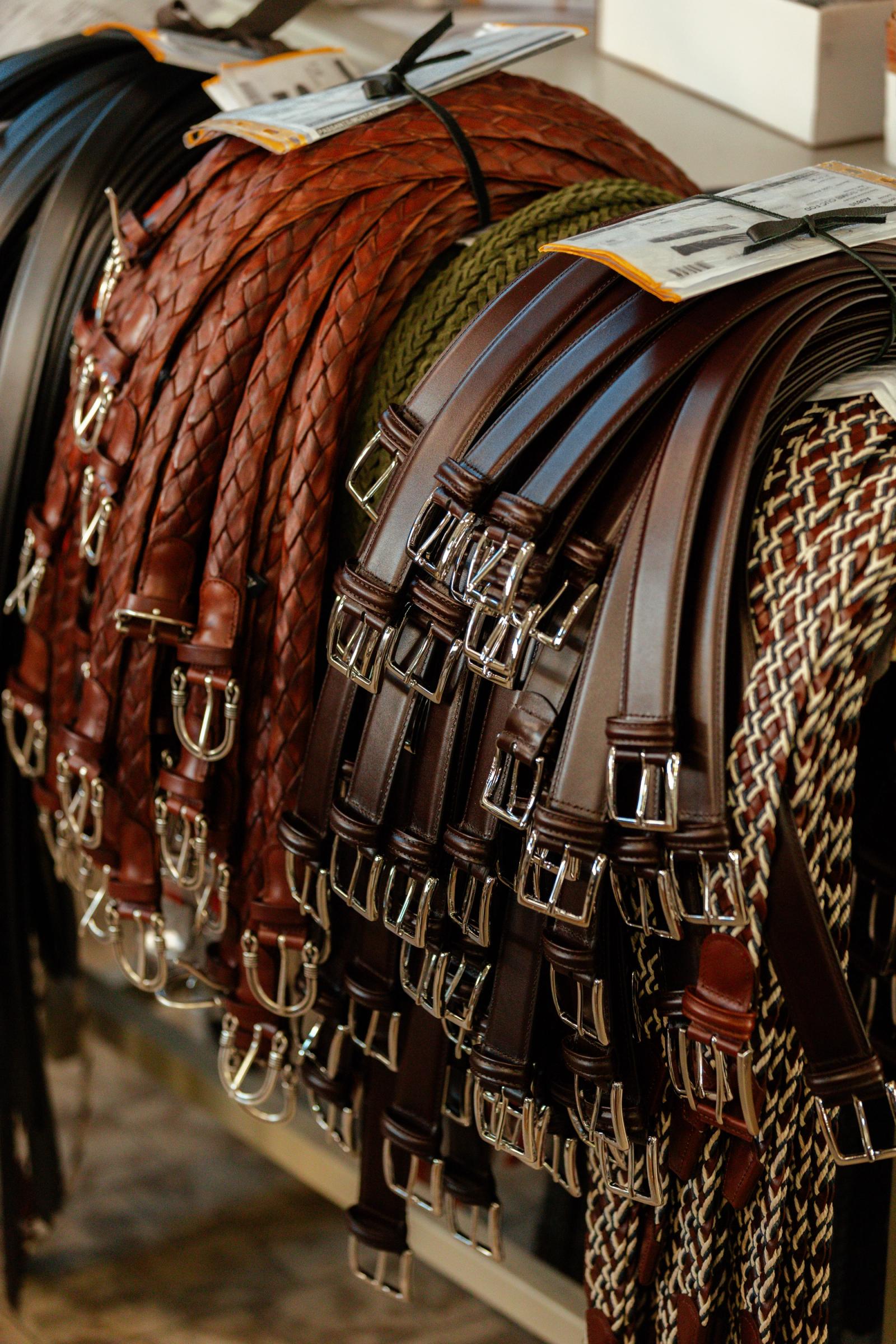
A rack of finished leather belts with assorted buckles

The Patience of Making

By early afternoon, the workshop is a study in quiet repetition: cutting tables, stitching stations, a corner devoted entirely to buckles and hardware, racks of belts simply resting, waiting their turn for the next round of finishing. There is no sense of rush anywhere, even though the volume moving through the building is not small.

That's the part visitors tend to find hard to square with what they're seeing. Anderson's produces roughly 200,000 belts a year — something in the region of 600 a day, and every one of them still made by hand. It would be easy to scale that up, to bring in more machinery and cut the workforce's role down to something more automated. The company has apparently had chances to do exactly that over the years. Each time, it seems, they've chosen to stay small rather than compromise on how a belt is made.

Walking back toward the station as the afternoon light turns golden over the rooftops, it's the contrast that stays with you — a product as simple, at a glance, as a belt, built through a process this deliberate, in a city more commonly celebrated for what's on the dinner table. But that's very much the point. In Parma, patience is the ingredient that ties the ham, the cheese, and evidently the leather together. Anderson's has spent close to sixty years proving that a belt, made slowly enough and by the right hands, can carry every bit as much pride as anything else this city is known for.

A craftsman's hands working a leather strap at a bench machine
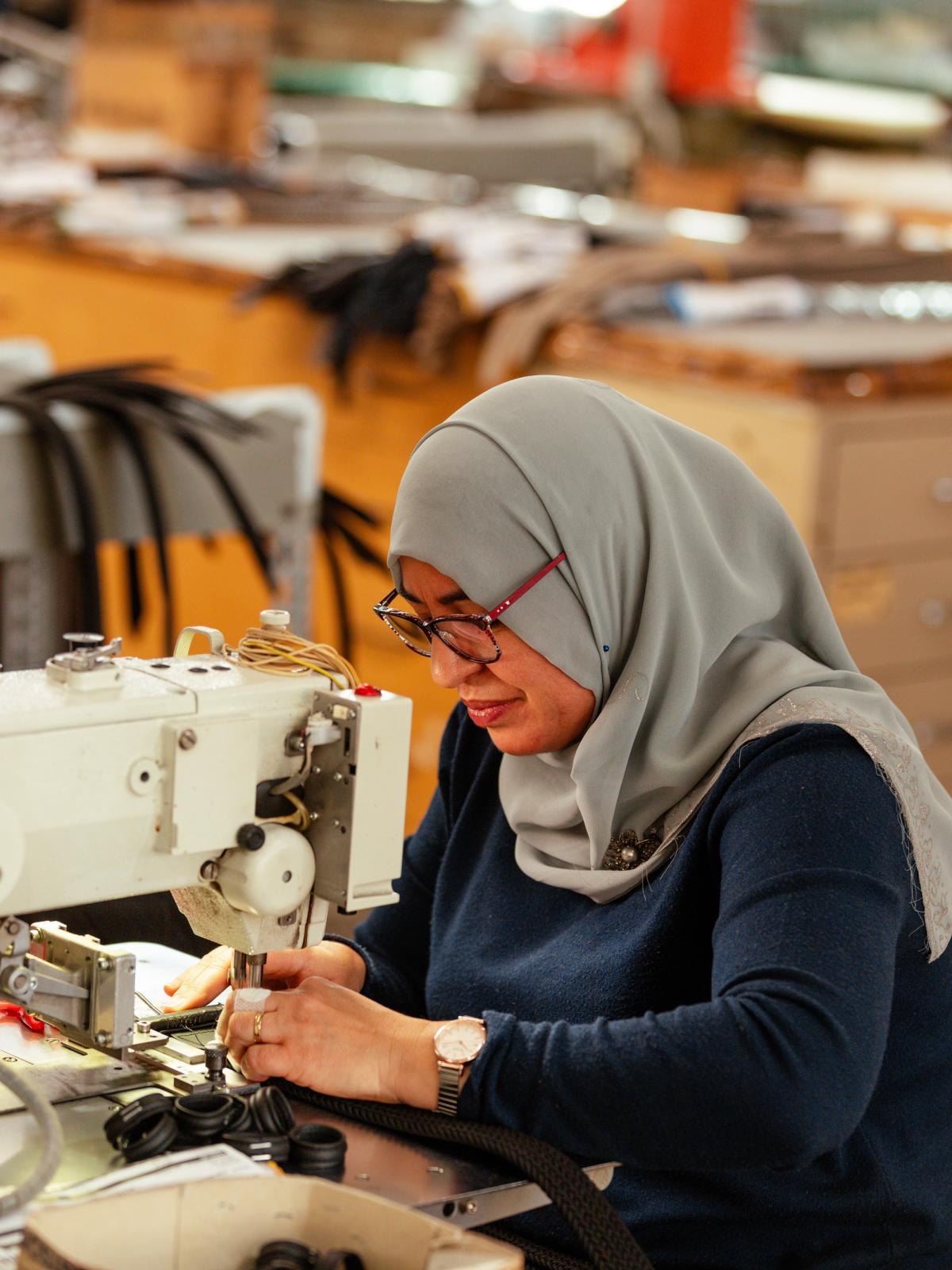
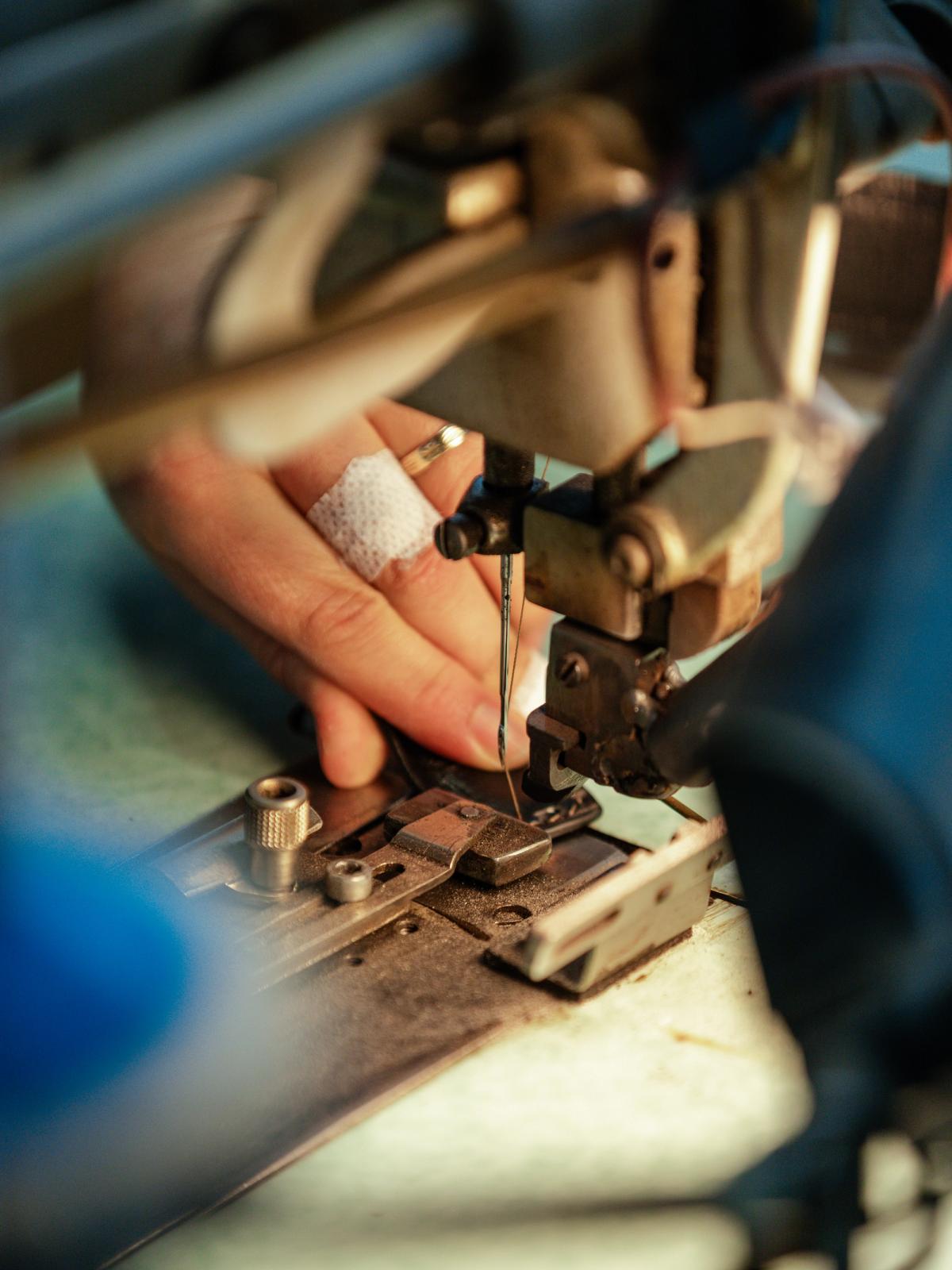
A seamstress working at a sewing machine in the Anderson's workshop
Hands guiding a leather strip through a workshop press
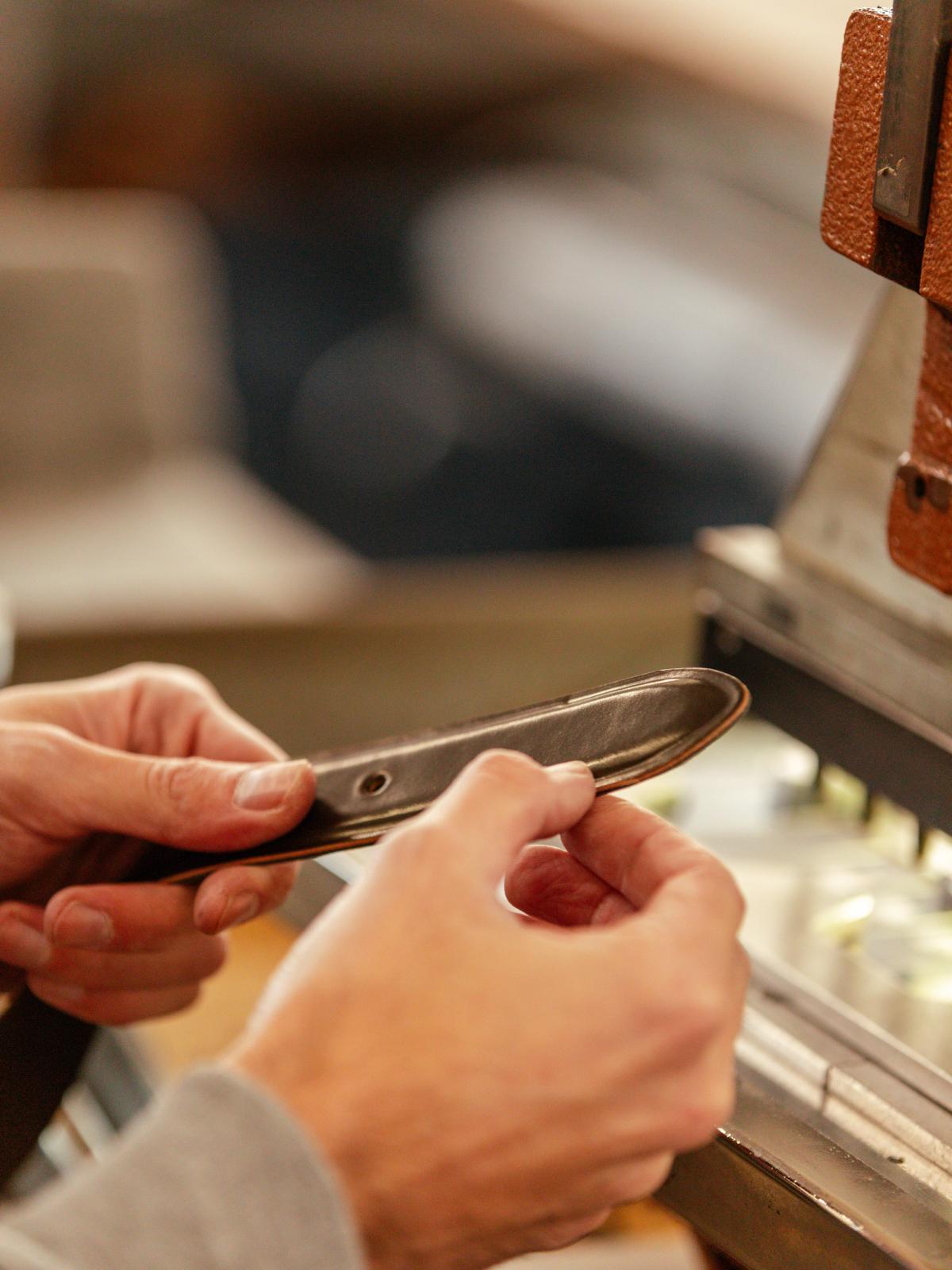
Close-up of hands assembling a leather belt at a workshop machine

Anderson's

Discover the assortment from one of the world’s most renowned belt makers, Anderson’s. In its Parma-based workshop, the brand makes all belts by hand, from cutting the leather to assembling the buckle.

Browse the collection
Tags:Anderson's , Premium Belts, Made in Italy, Parma

Related Articles

A Weekend in Abruzzo: Visiting Maglificio Gran Sasso

Factory Visits · July 31, 2026 · Christopher Gustafsson
Come with us to the beautiful Abruzzo region and visit Europe's largest knitwear company, Maglificio Gran Sasso. See inside the factory and learn more about the craftsmanship behind the brand.
Read More