Introduction
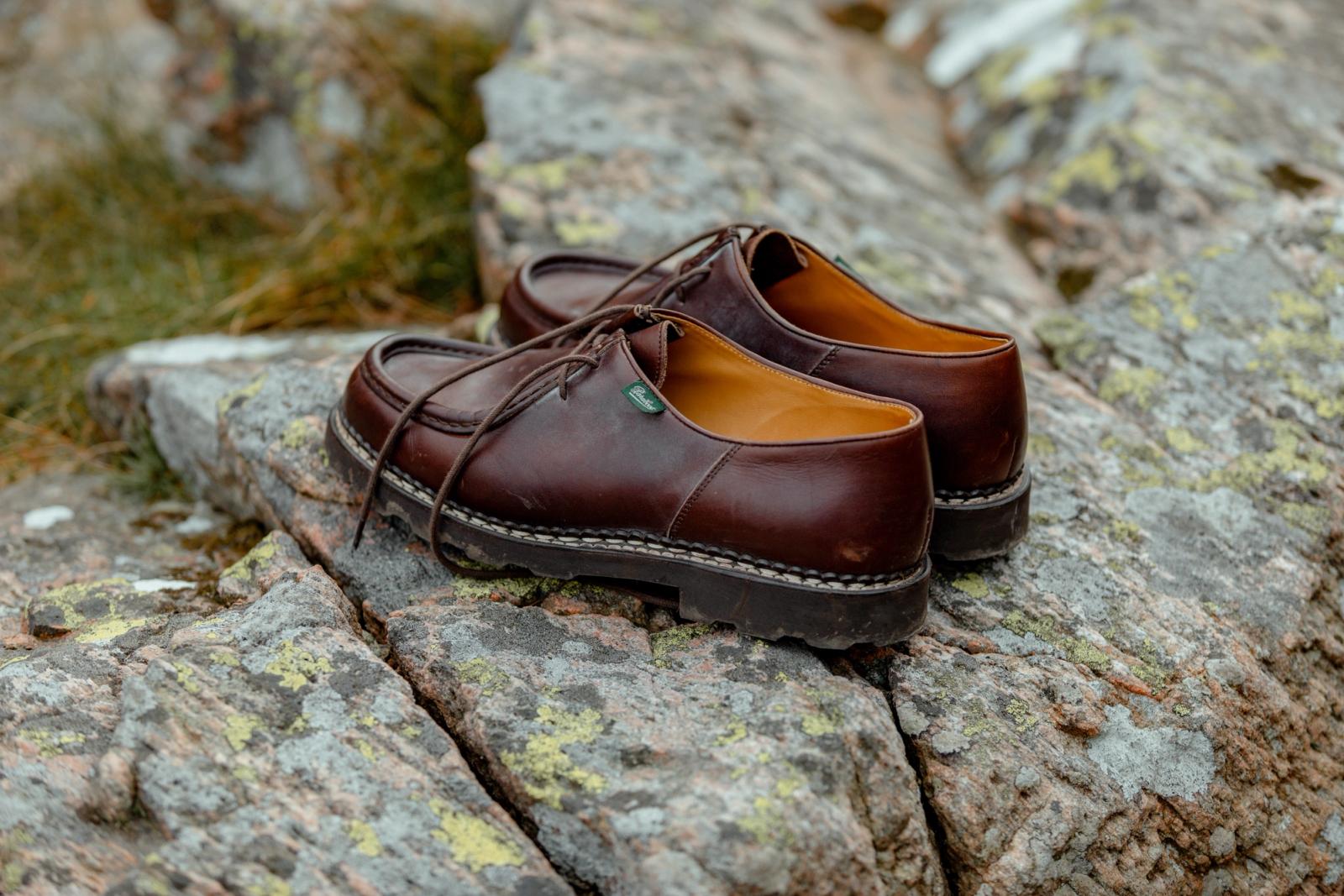
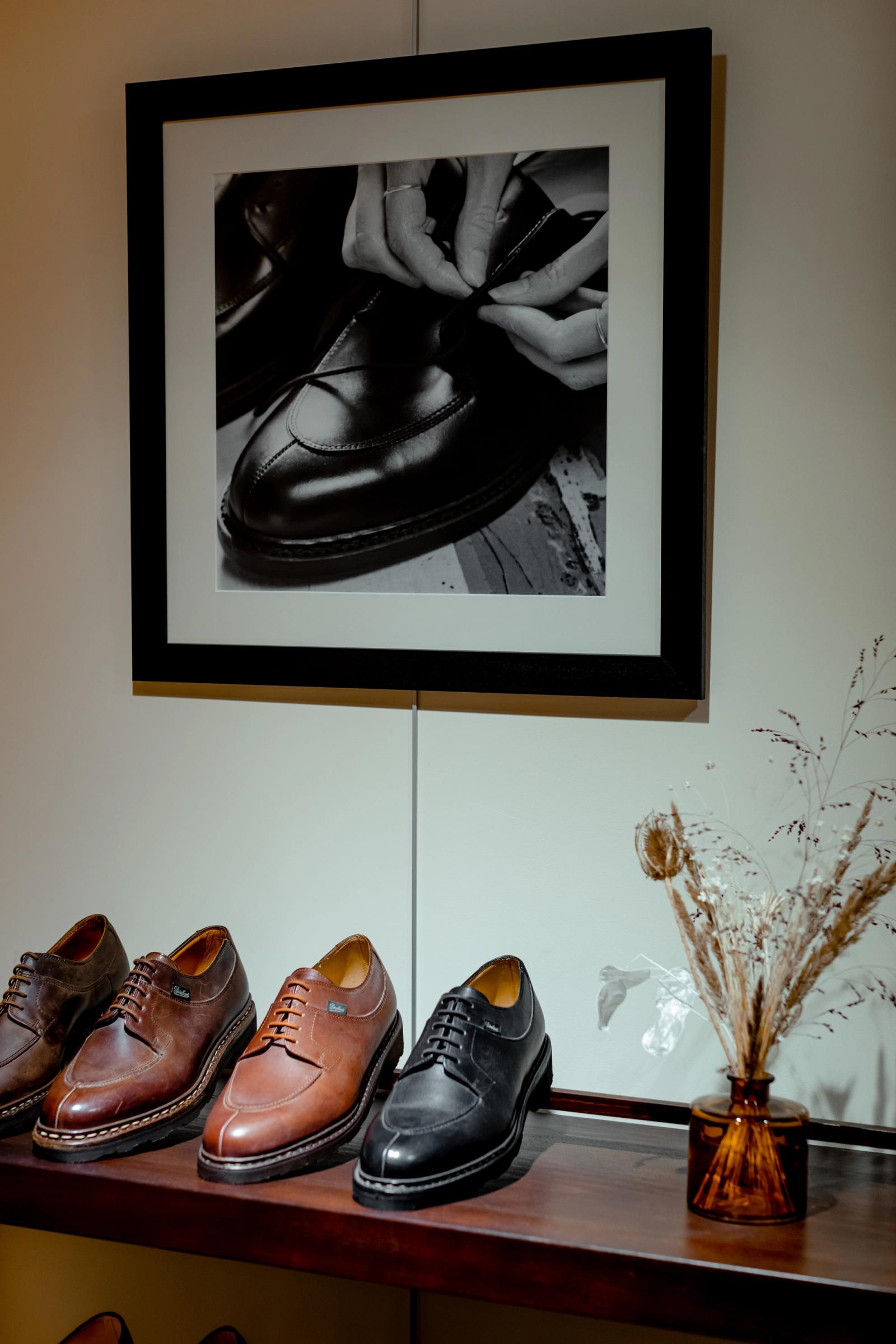
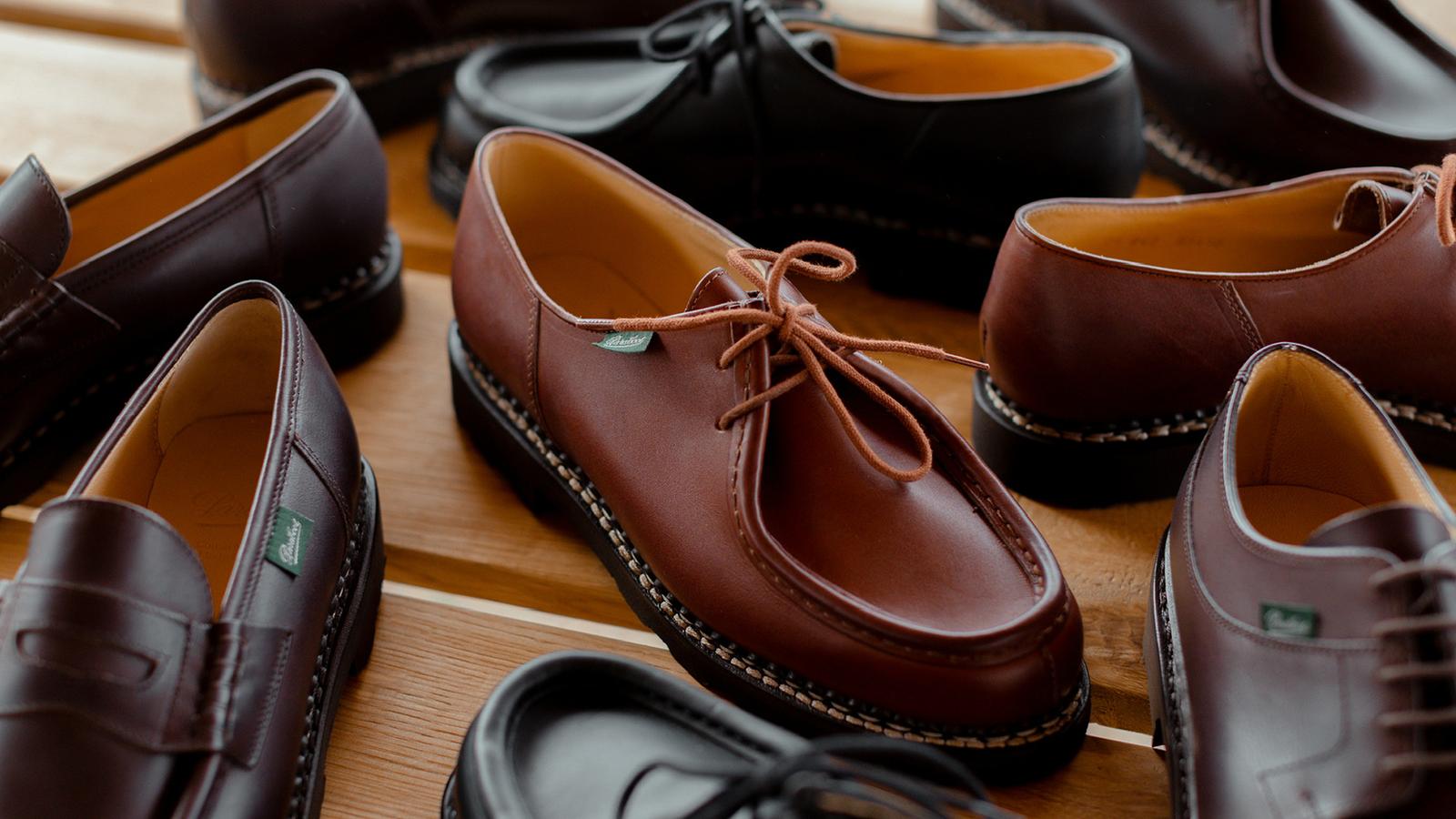
In a fashion world increasingly dominated by mass production and fast turnover, Paraboot stands as a quiet but formidable exception. This family-owned French shoemaker has been crafting footwear in the foothills of the Alps for over a century, building a reputation not through marketing spectacle but through sheer, stubborn dedication to quality. For those in the know, the little green Paraboot label has become shorthand for durability, authenticity, and understated French style.
Origins in the Alps
Paraboot's story begins in 1908, when Rémy Richard opened a small workshop in Izeaux, a town in the Isère region near the French Alps where shoemaking was already the backbone of local industry. Richard, a skilled cutter, initially made sturdy footwear for the workers and farmers of the region — practical shoes built to withstand hard labor and rough terrain.
The defining moment in the brand's history came in the late 1920s, when Richard traveled to the United States and encountered rubber-soled boots for the first time. Recognizing the potential of this material, he brought the idea back to France and began developing his own rubber compounds and soling techniques. This innovation — melding rugged American practicality with French shoemaking tradition — effectively gave birth to the Paraboot identity, and the name itself is thought to reflect that fusion of rubber ("para," evoking the rubber-producing regions of Brazil) and "boot."
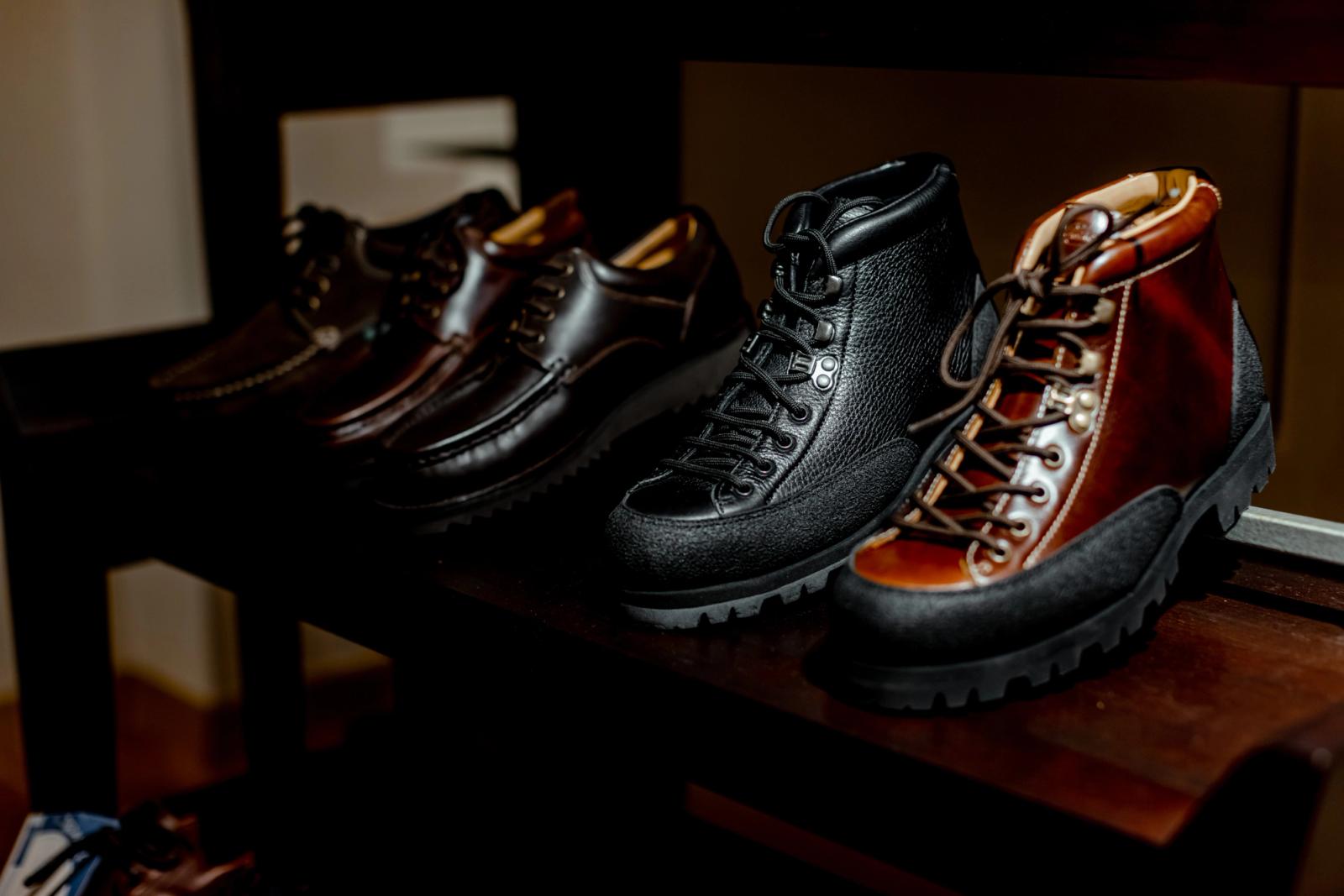
The company also built a parallel reputation through its Galibier mountaineering line, which for a time became the leading name in French technical climbing footwear, exported as far as Japan, the United States, and Italy. The business passed to Richard's son Julien, who joined in 1937, steering the company through the difficult years of the Second World War, when material shortages forced the workshop to experiment with wooden soles and other stopgap solutions just to keep production alive.