Skip to content

Express Deliveries & Easy Returns

Baltzar

Autumn Textures: A Study in Color & Fabric

Lookbooks · October 18, 2026 · Christopher Gustafsson

Late September

There is a moment each year, usually in late September, when the light turns lower and more golden, and a man’s wardrobe seems to ask for something different. The crisp whites and pale blues of summer lose their appeal. What the season calls for is depth, warmth and texture, and above all a palette borrowed from the landscape itself: the rust of fallen beech leaves, the ochre of stubble fields, the deep green of moss and the brown of turned soil.

Autumn dressing is as much about touch as it is about color. The same shade of brown looks entirely different in brushed cotton than in waxed cotton, and learning how color and fabric speak to each other is what separates a merely warm outfit from a considered one.
Color Follows Texture

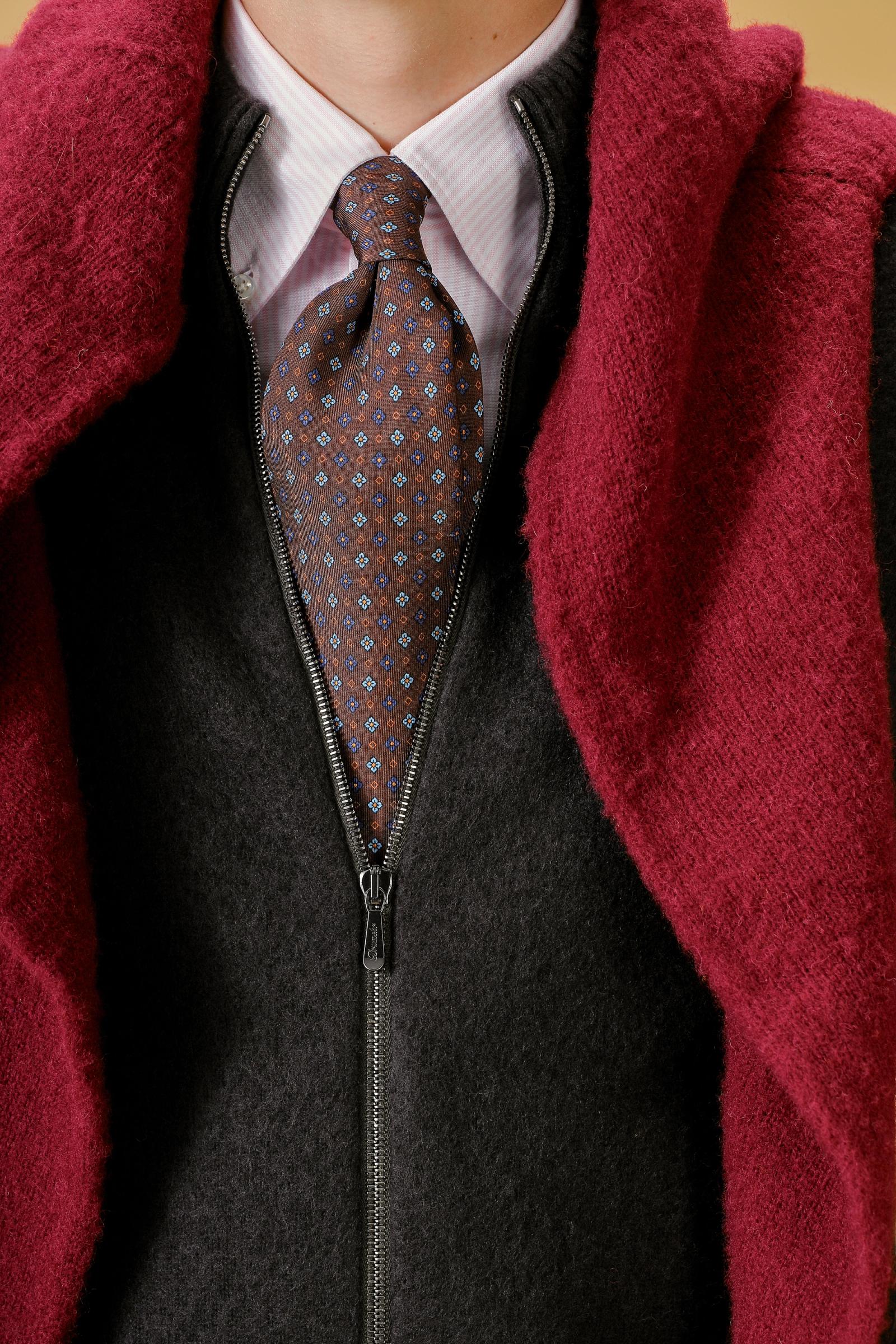
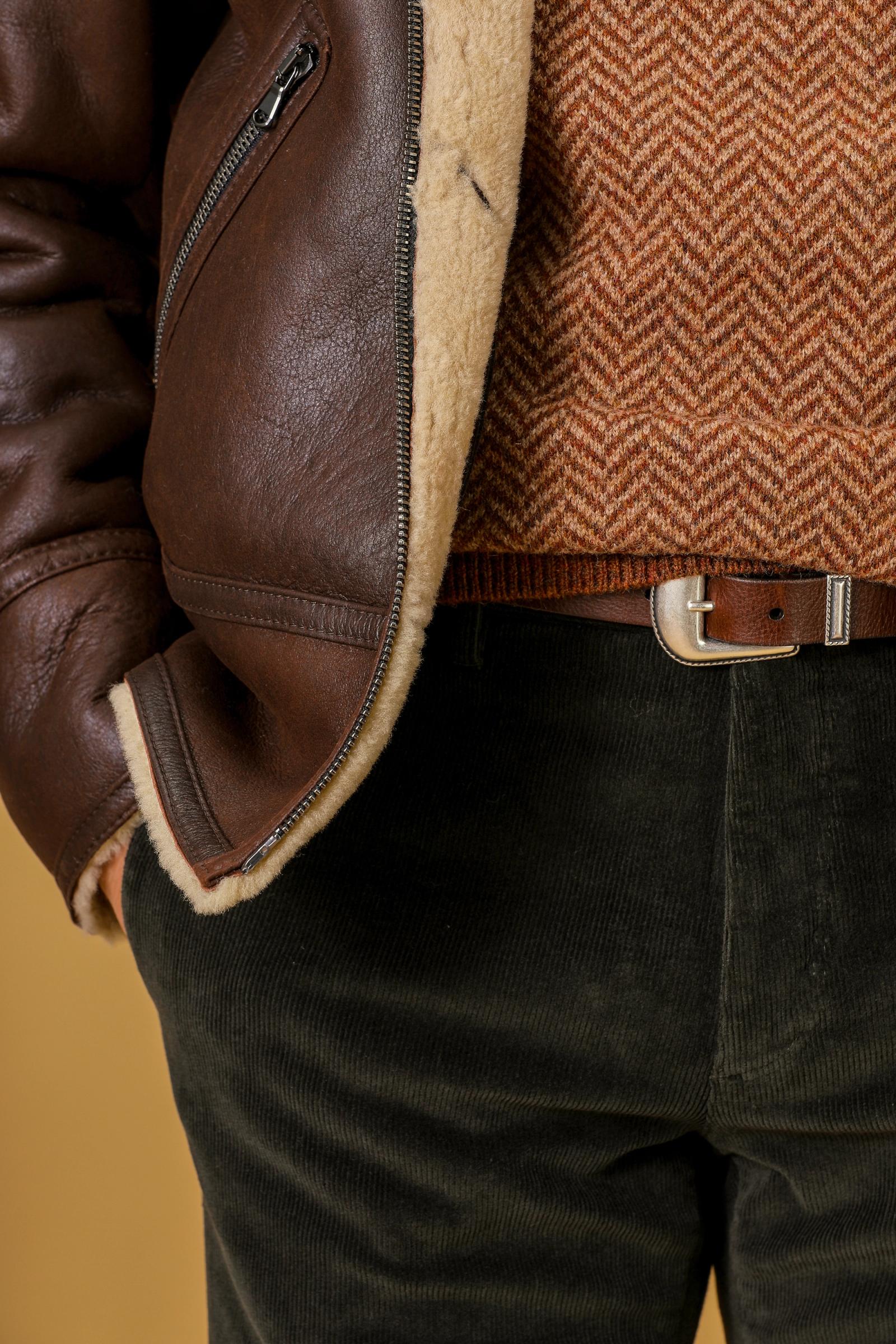
A useful principle when matching colors with texture is that matte, napped fabrics absorb light and make colors look softer and richer, while smooth or coated fabrics reflect light and make colors look sharper. Wool flannel, with its slightly fuzzy surface, turns charcoal into something velvety and olive into something almost mossy. Waxed cotton, with its subtle sheen and tendency to crease and fade at the folds, gives deep greens and browns a weathered, lived-in quality that improves with age.

This is why the earthy palette works so well across such varied materials. Rust, ochre, moss, chestnut, burgundy, slate and cream all have an inherent softness that suits the tactile fabrics of the season.

New Arrivals

Discover our latest autumn arrivals, ranging from fine cashmere, wool flannel, and merino wool to brushed Shetland lambswool, cotton corduroy, and wool fleece.

Browse the collection

The Heavyweights: Flannel, Corduroy & Waxed Cotton

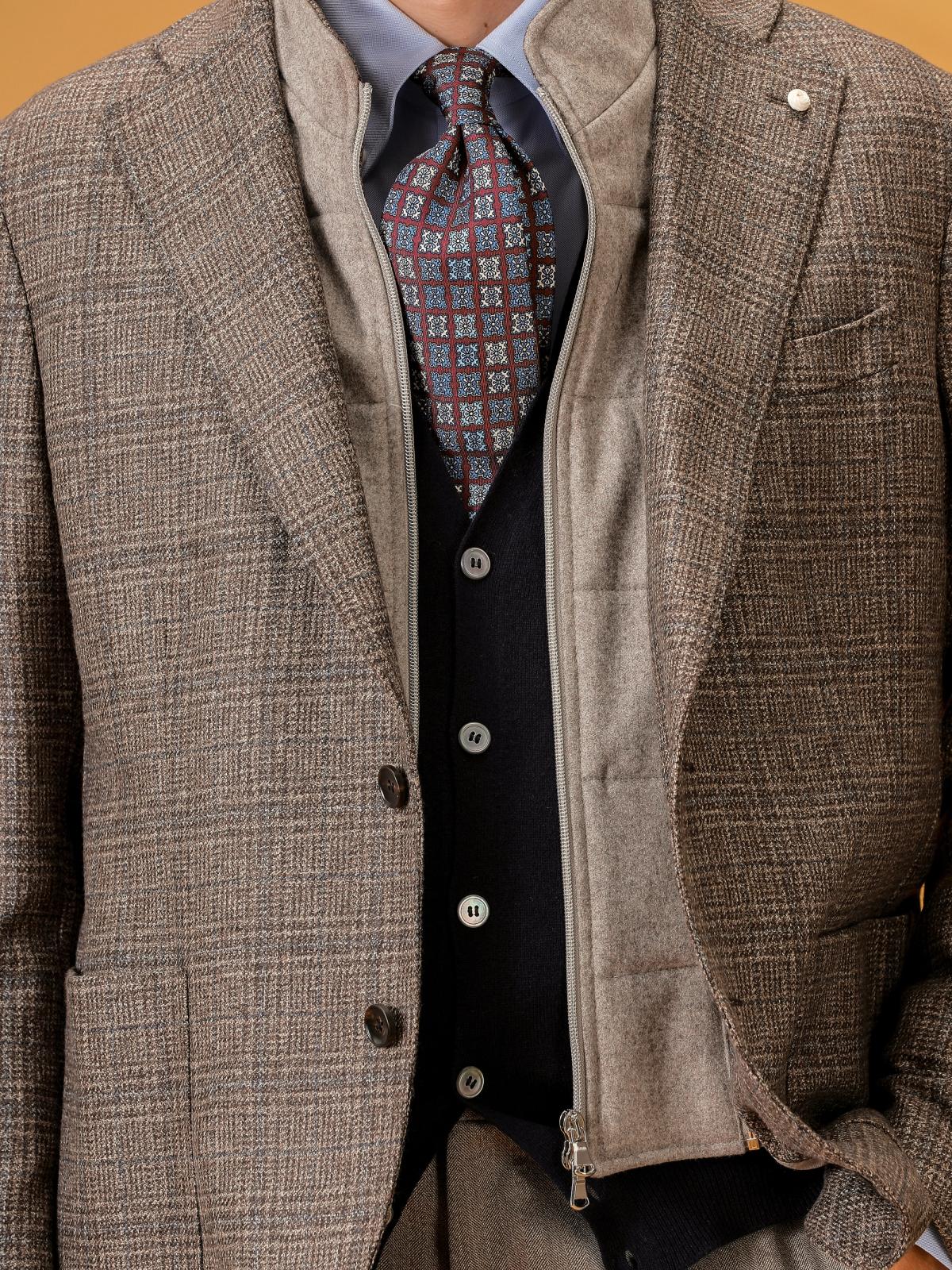
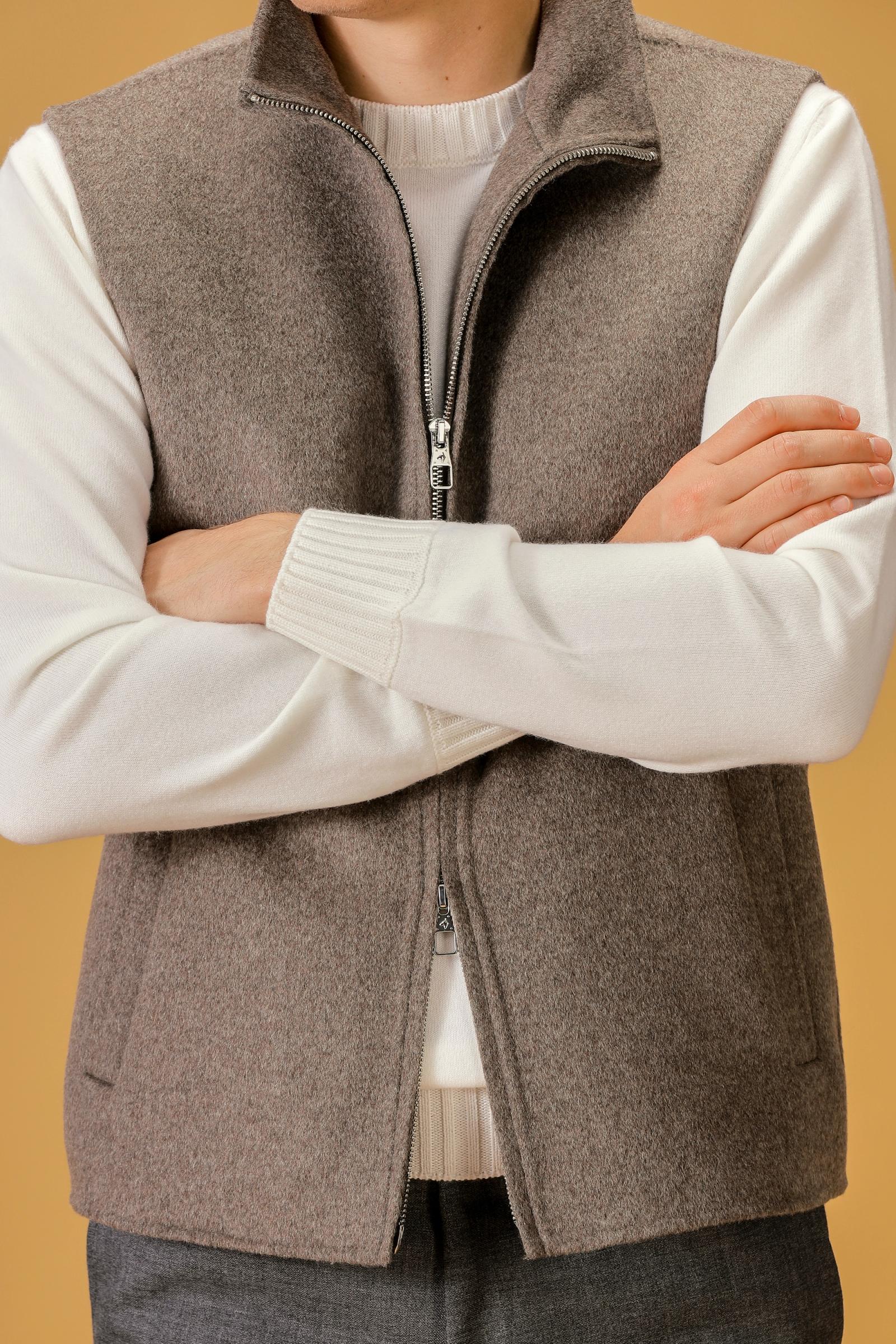
Wool flannel is the backbone of autumn tailoring. In mid-grey or charcoal it is a perfect neutral, but it comes into its own in heathered shades: a brown flannel with flecks of tan, or a muted forest green. Trousers in dark grey flannel pair beautifully with a taupe beige gilet and cream sweater, because the flannel’s softness lets the warmer color glow without shouting.

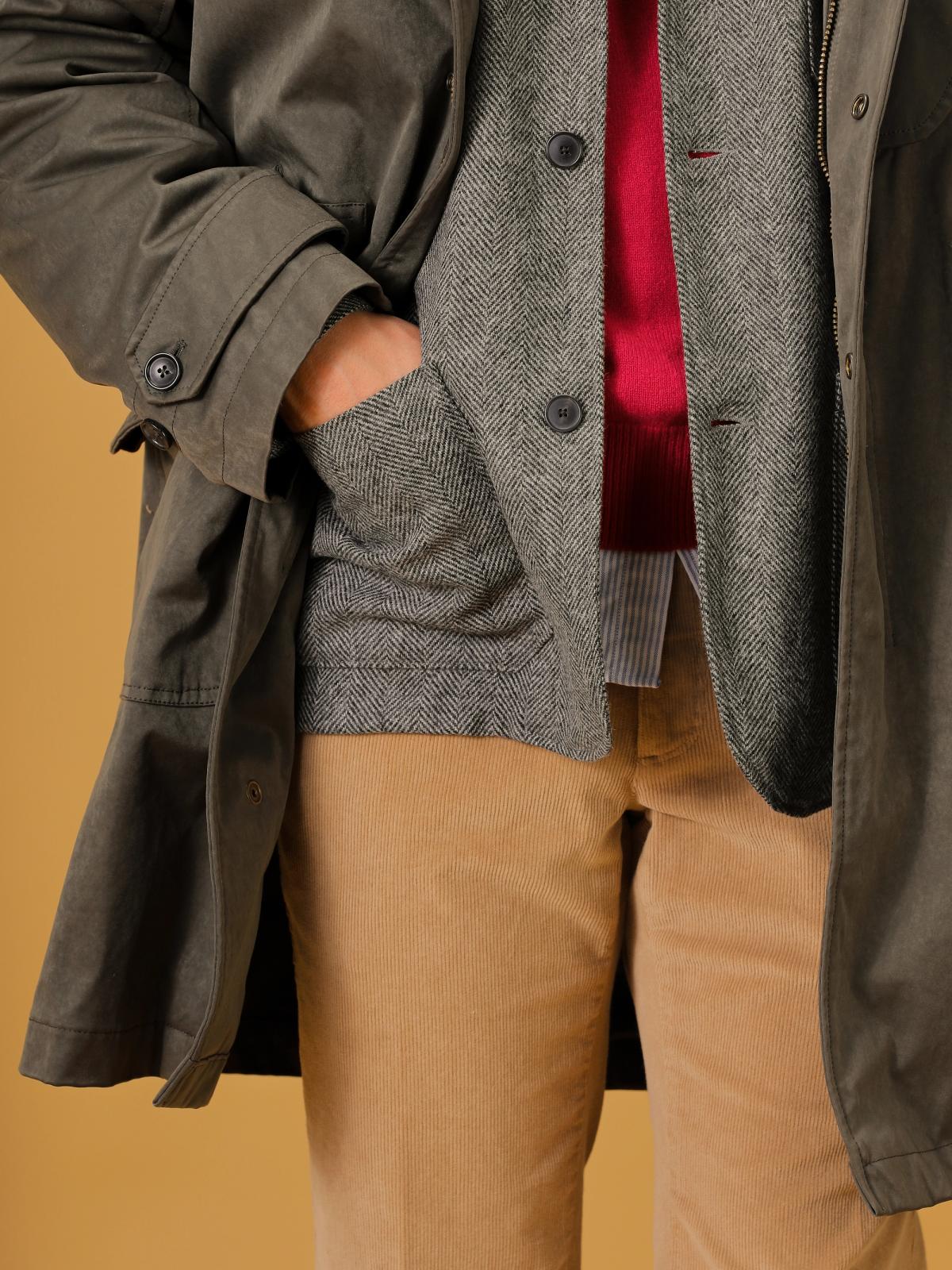
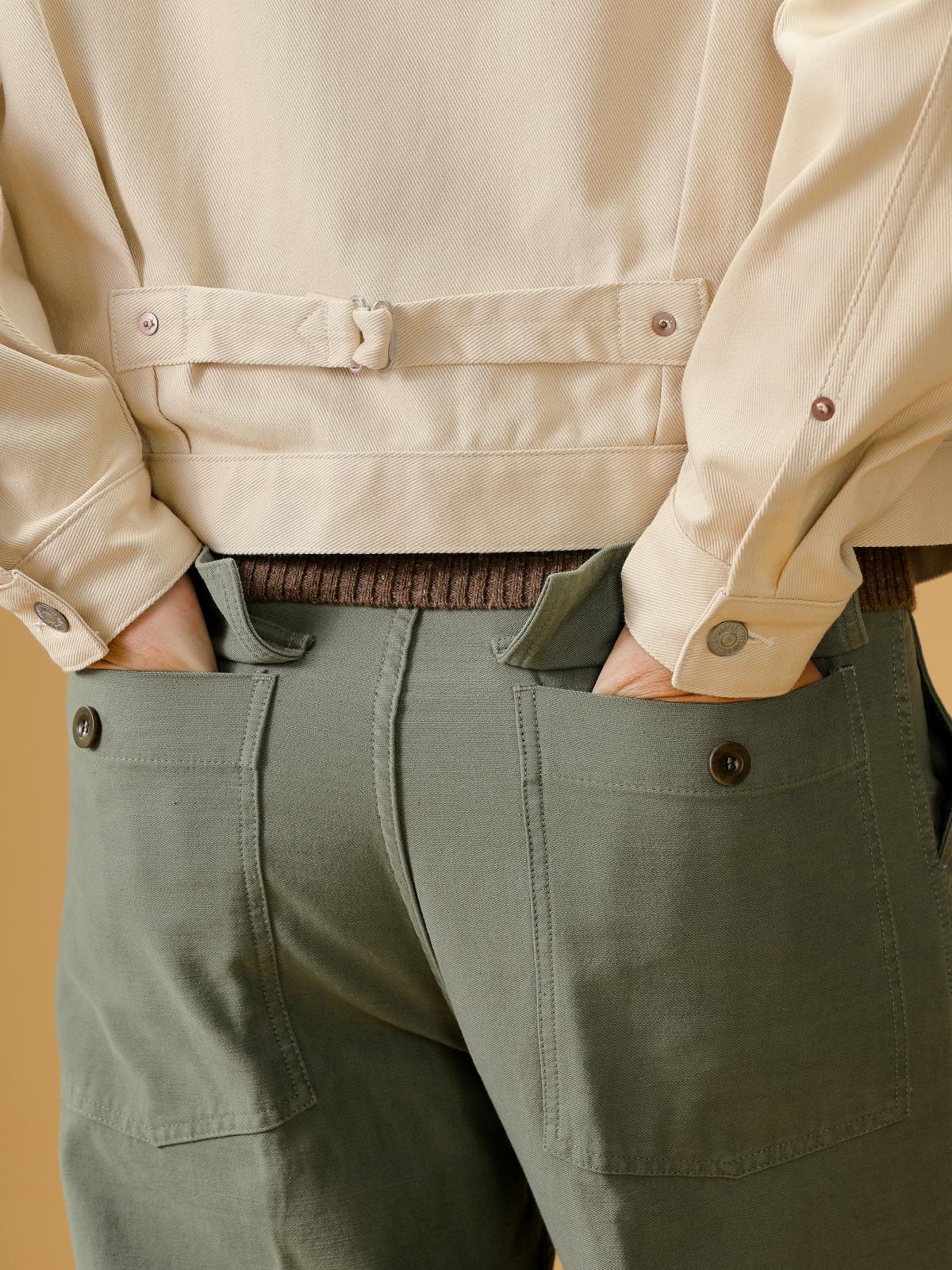
Corduroy brings ridges that catch the light and add visual rhythm. It is most convincing in deep, saturated colors: tobacco, bottle green, burgundy and a warm camel. A pair of wide-wale corduroy trousers in camel beige, worn with a soft lambswool sweater matched with a grey herringbone overshirt, is a study in textural layering. Because corduroy is so textured itself, it generally works best against smoother partners, such as a fine-gauge knit or a plain Oxford shirt.

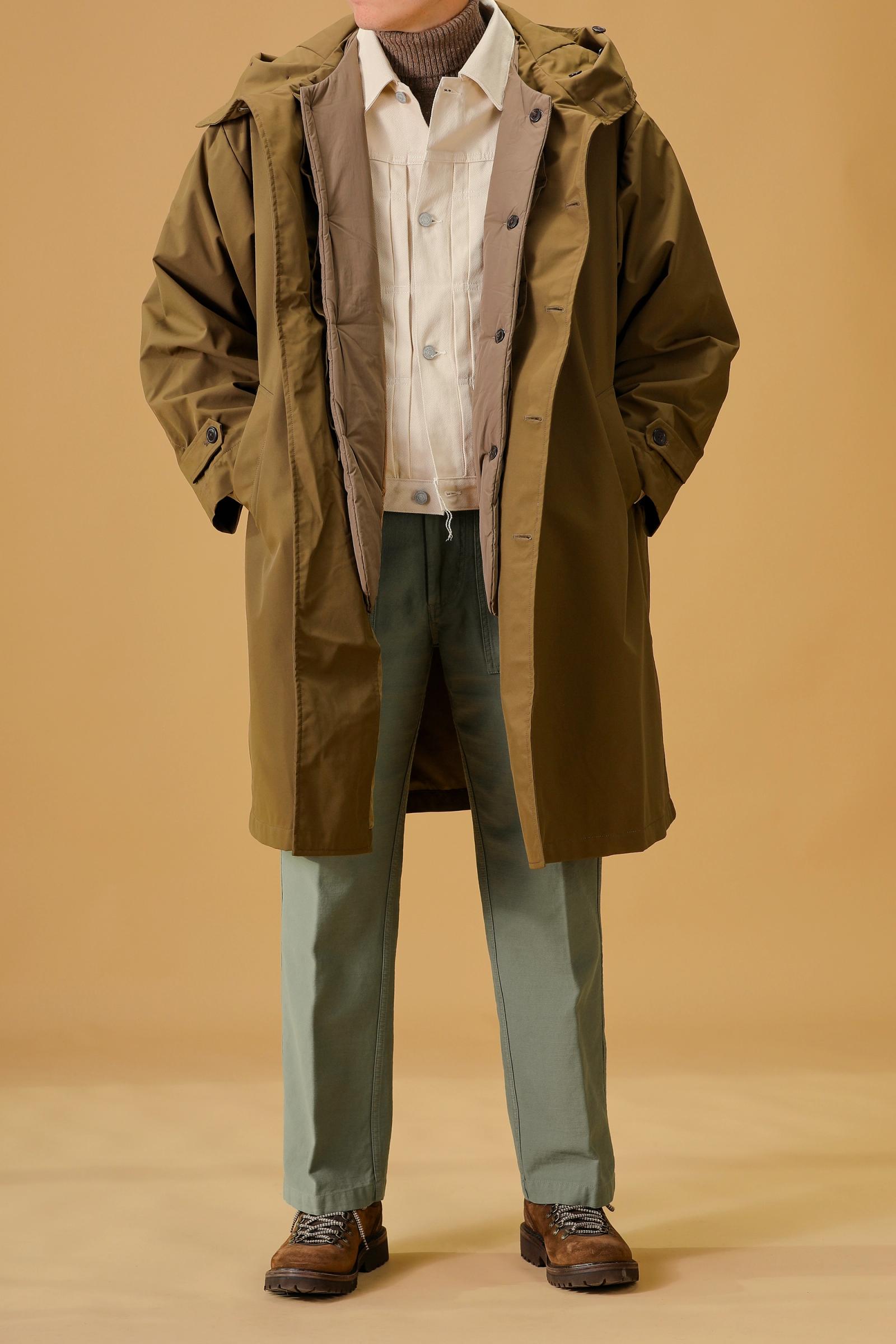
Waxed cotton is the outdoor workhorse, and its colours are traditionally practical: olive, dark navy, racing green, or why not muted orange. These shades sit naturally against the greys and browns of a country landscape. Wear a waxed jacket in dark olive over a camel hair or bright red knit and the contrast of rugged outer and soft inner is exactly what the fabric is designed for. The wax finish also looks best against matte textures, so wool and brushed cotton are its ideal companions.

The Soft Layers: Lambswool, Cashmere & Camel Hair

Lambswool has a slightly rustic, springy handle and takes color in a warm, slightly chalky way. It excels in heathered and marled shades, such as chocolate brown, moss green, burnt orange and deep burgundy. A lambswool crewneck in a muted, earthy color is perhaps the most quintessentially autumnal garment a man can own, equally at home over a shirt or under a tweed jacket.

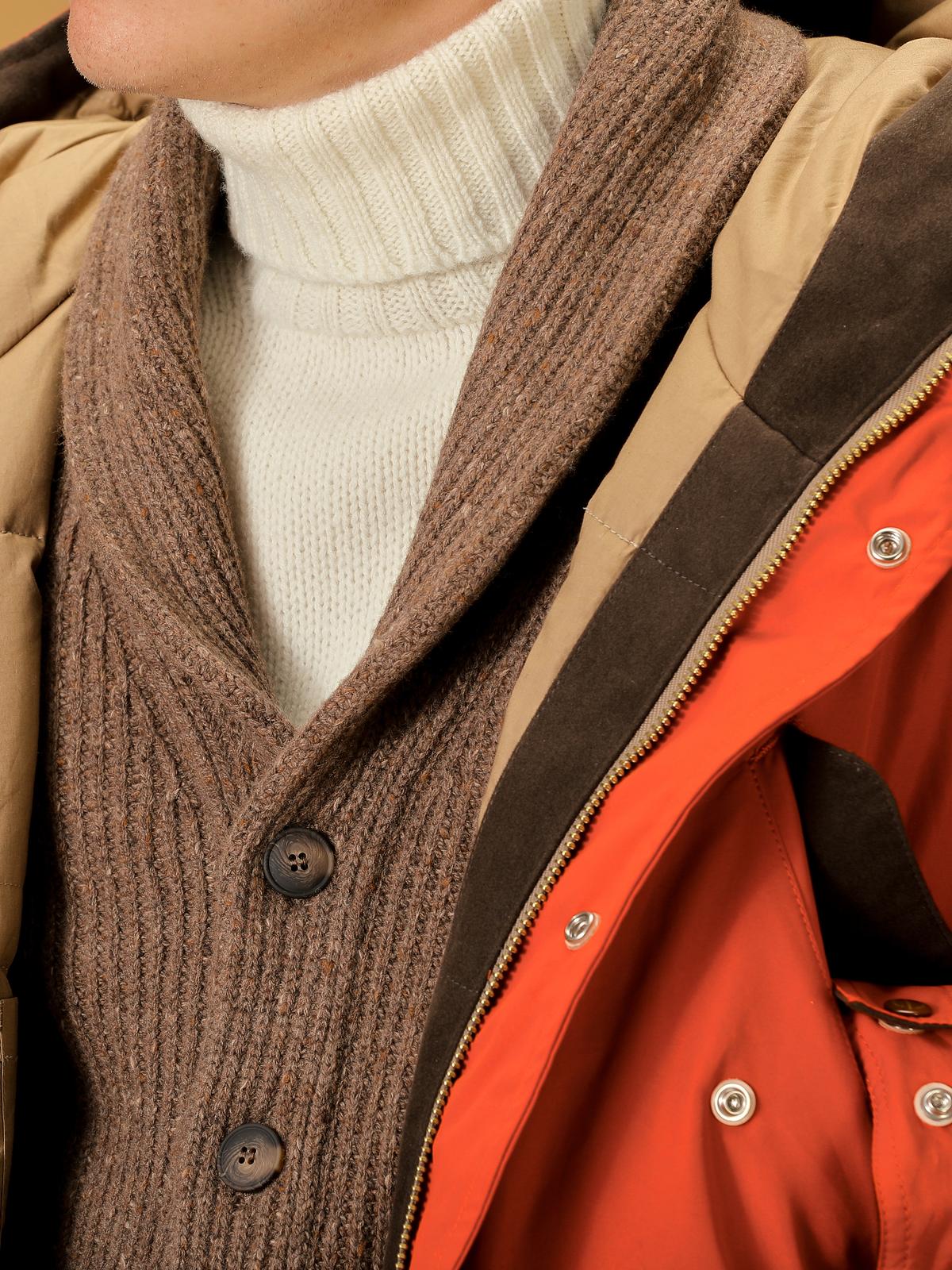
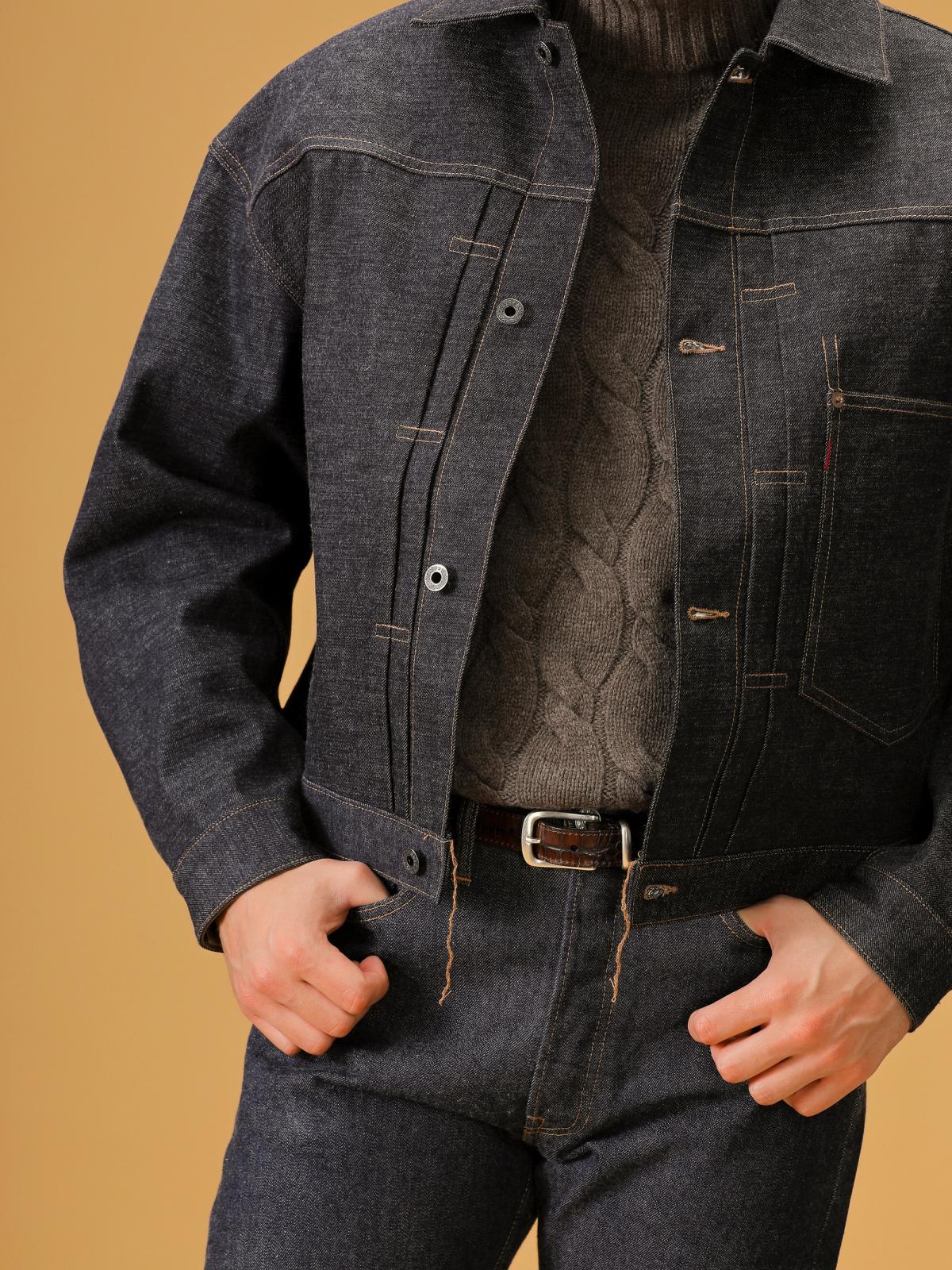
Fine cashmere is lighter and more refined, and its colors are subtler. Because it has a gentle halo of fibre, cashmere makes muted shades look luxurious: stone, taupe, dove grey, soft cocoa and deep navy. Reserve it for the closest layer, where its softness can be felt, and pair it with sturdier outer fabrics so the contrast of refinement and ruggedness does the work. A chocolate cashmere cable-knit rollneck under a denim jacket is a combination of great quiet confidence.

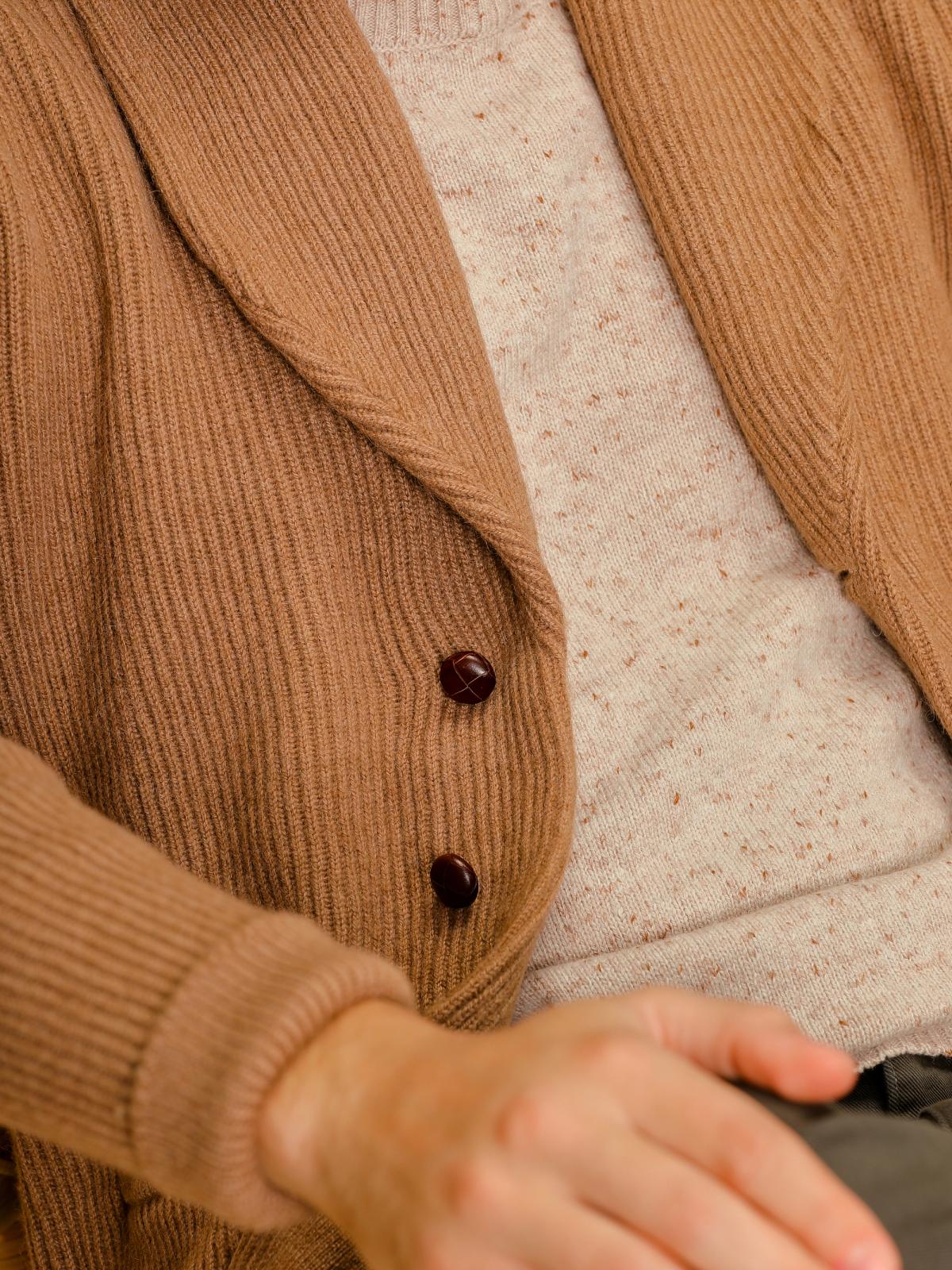
Camel hair is the fabric whose name is its color. Its natural range of honey, tan and golden brown is the very definition of autumn, and it looks best when allowed to stand alone. Surround it with deep tones that make it glow: navy, chocolate, dark green or why not a fresh beige for a tonal effect.

Everyday Comfort: Brushed Cotton & Wool Fleece

Brushed cotton is the autumn shirt fabric par excellence. Its soft, slightly fuzzy surface suits checks and tartans in colors like forest green with rust, cream with orange, or muted ochre with brown. Worn open over a plain tee or buttoned under a lambswool knit, it adds pattern without bulk.

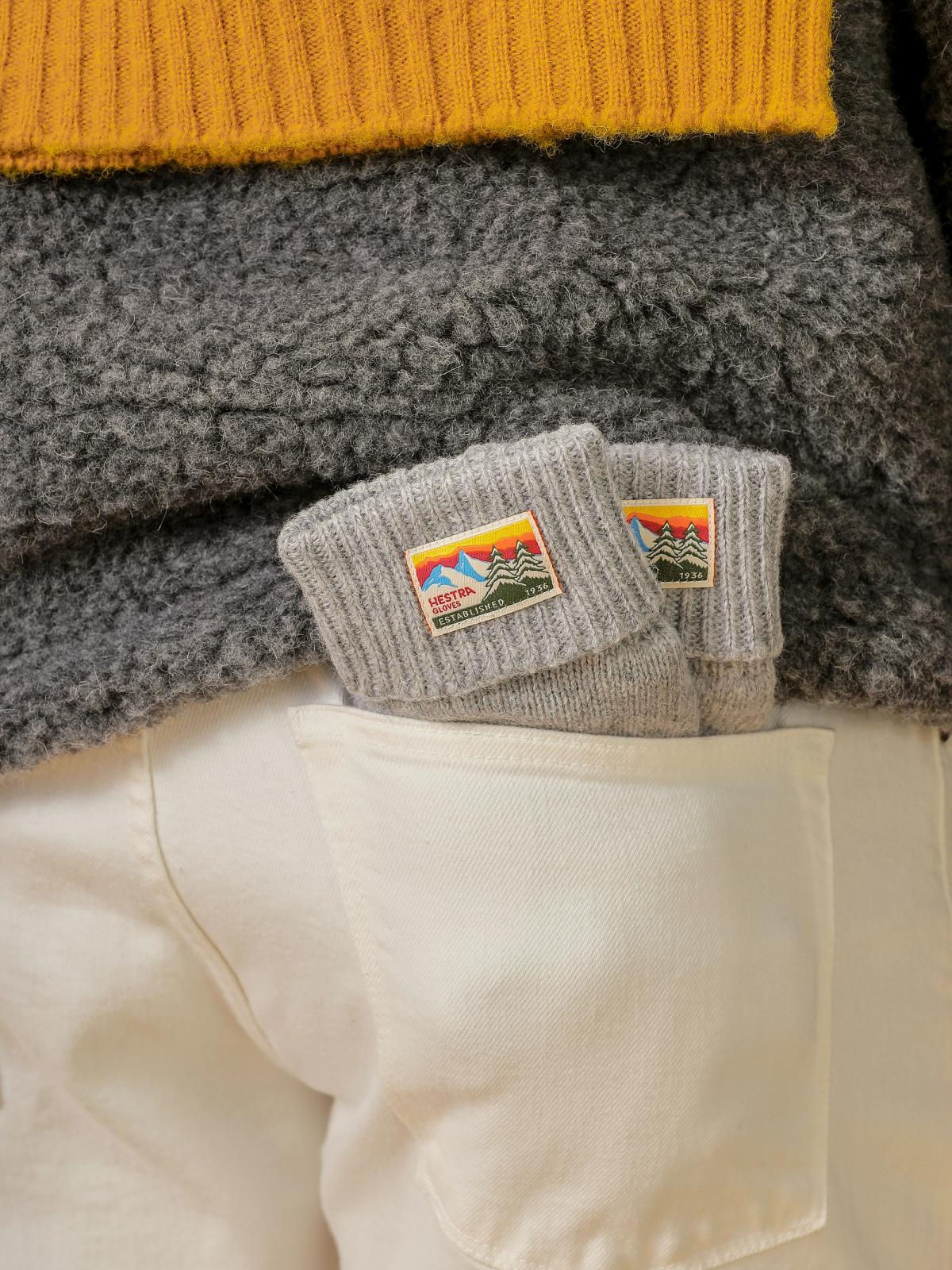
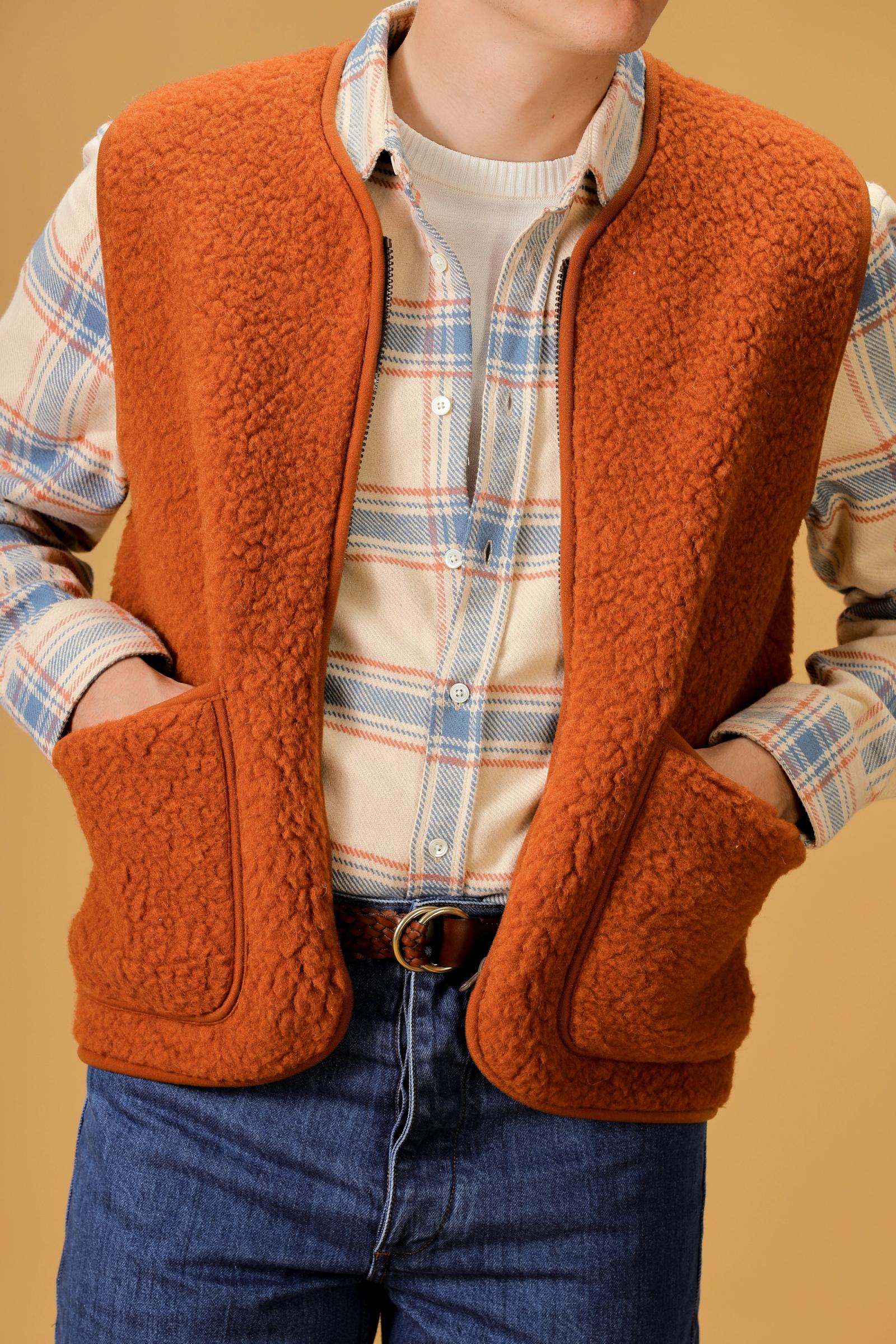
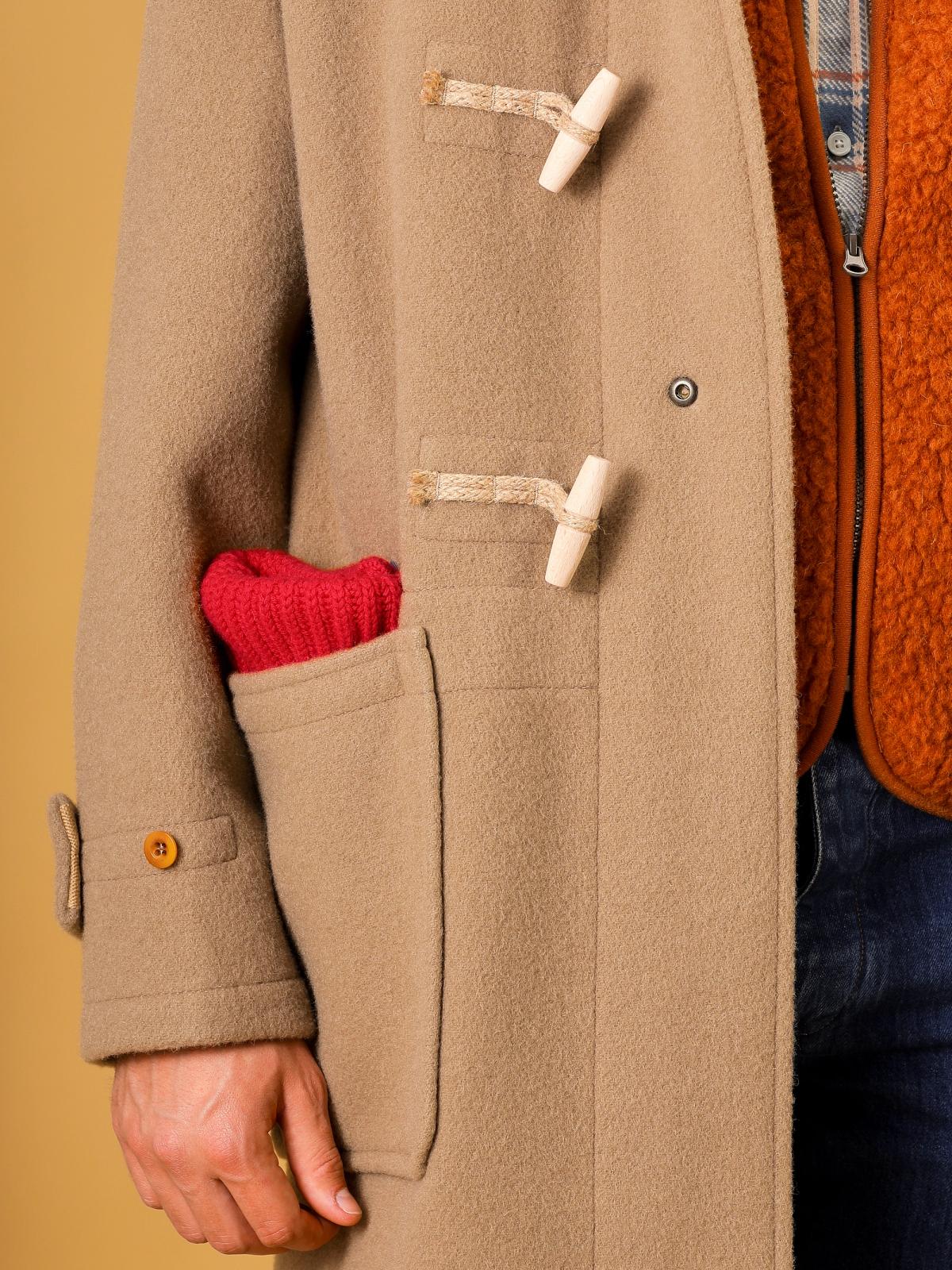
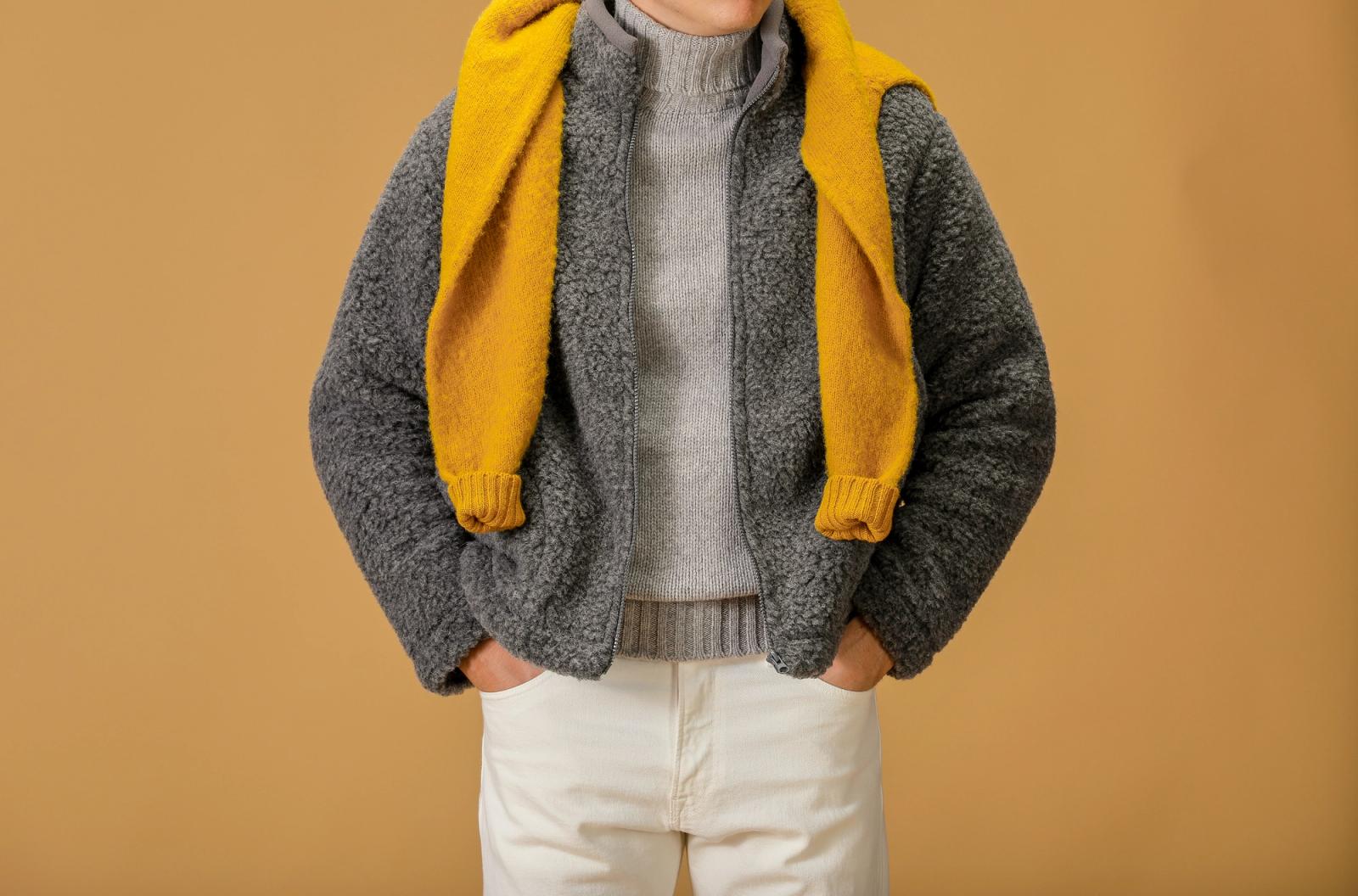
Wool fleece is the most casual of the group, and it is best used in solid, grounded colors: fox orange, graphite grey, deep green or brown. A fleece layer under a duffle coat gives practical warmth, and keeping its color a shade or two different than the jacket creates a pleasing sense of depth.

The secret to successful autumn dressing lies in three habits. First, vary the textures while keeping the colors in the same family, so that an outfit of browns and greens feels rich rather than flat. Second, anchor warm colors with deep neutrals, letting navy, charcoal or dark brown ground the rust, mustard and camel. Third, let one fabric lead, whether it is a corduroy jacket or a camel coat, and keep its companions more subtle or tonal.

Tags:Autumn Textures, Cotton Corduroy, Wool Flannel, Lambswool, Wool Fleece, Shetland Wool, Waxed Cotton