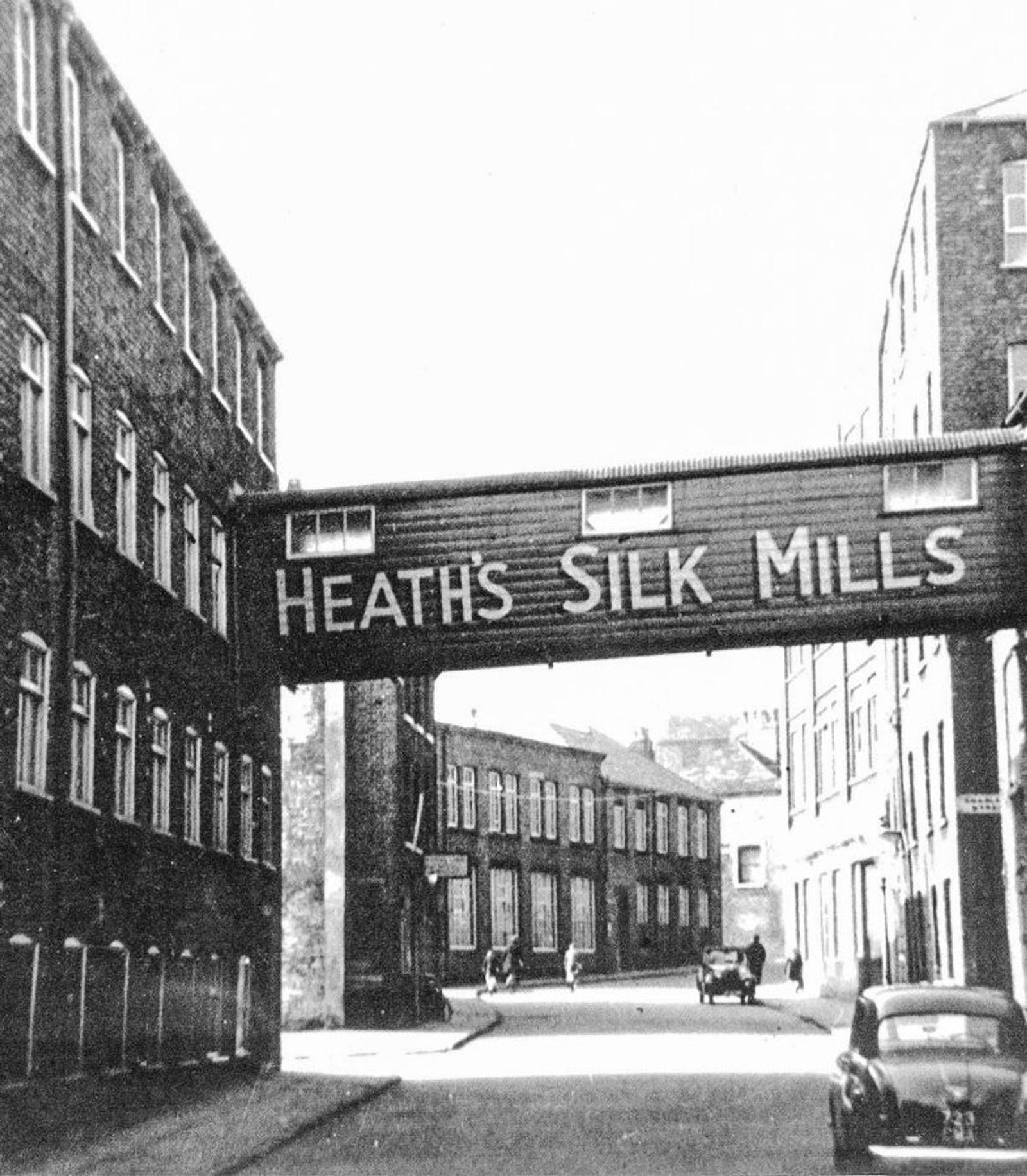
The History of Macclesfield
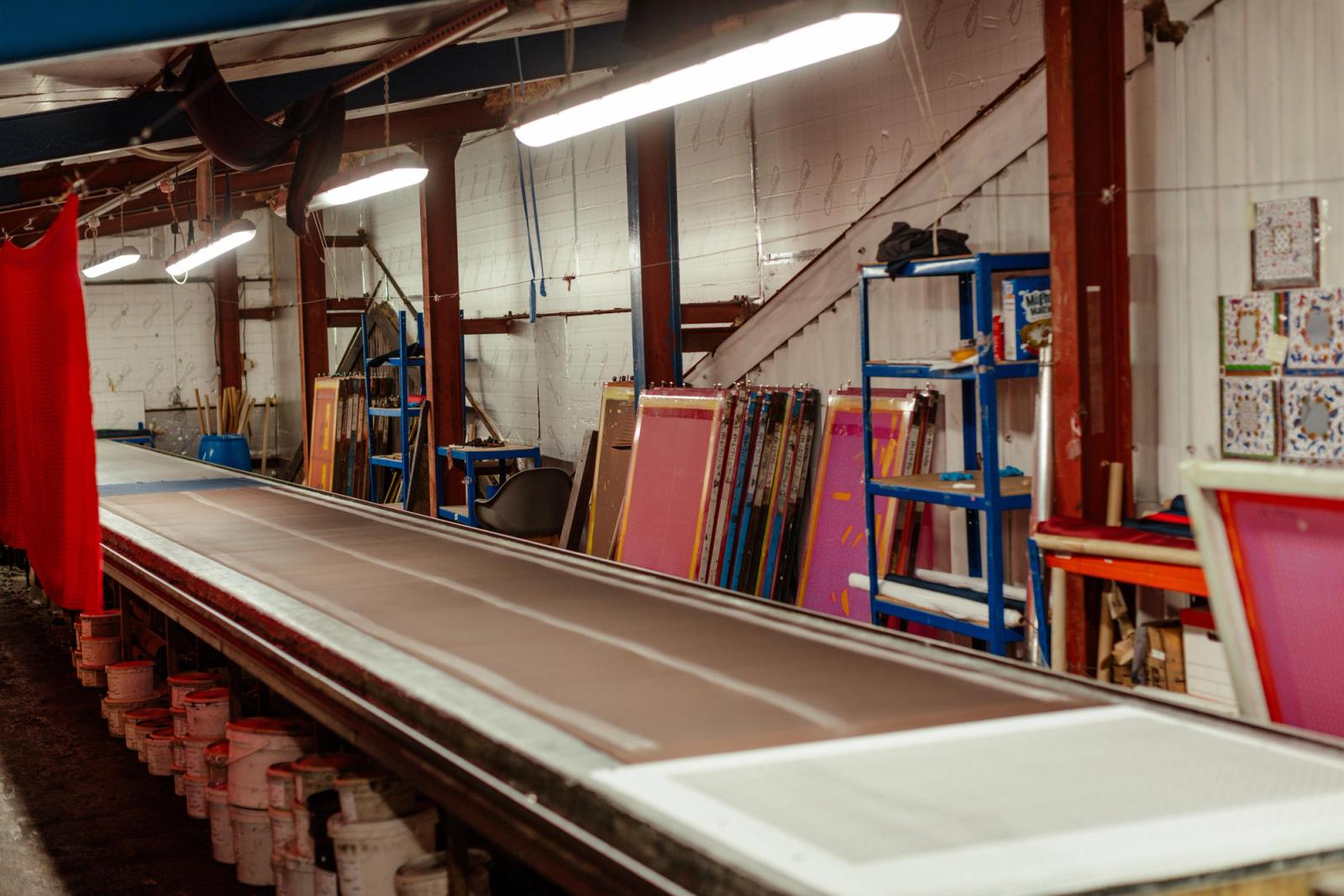
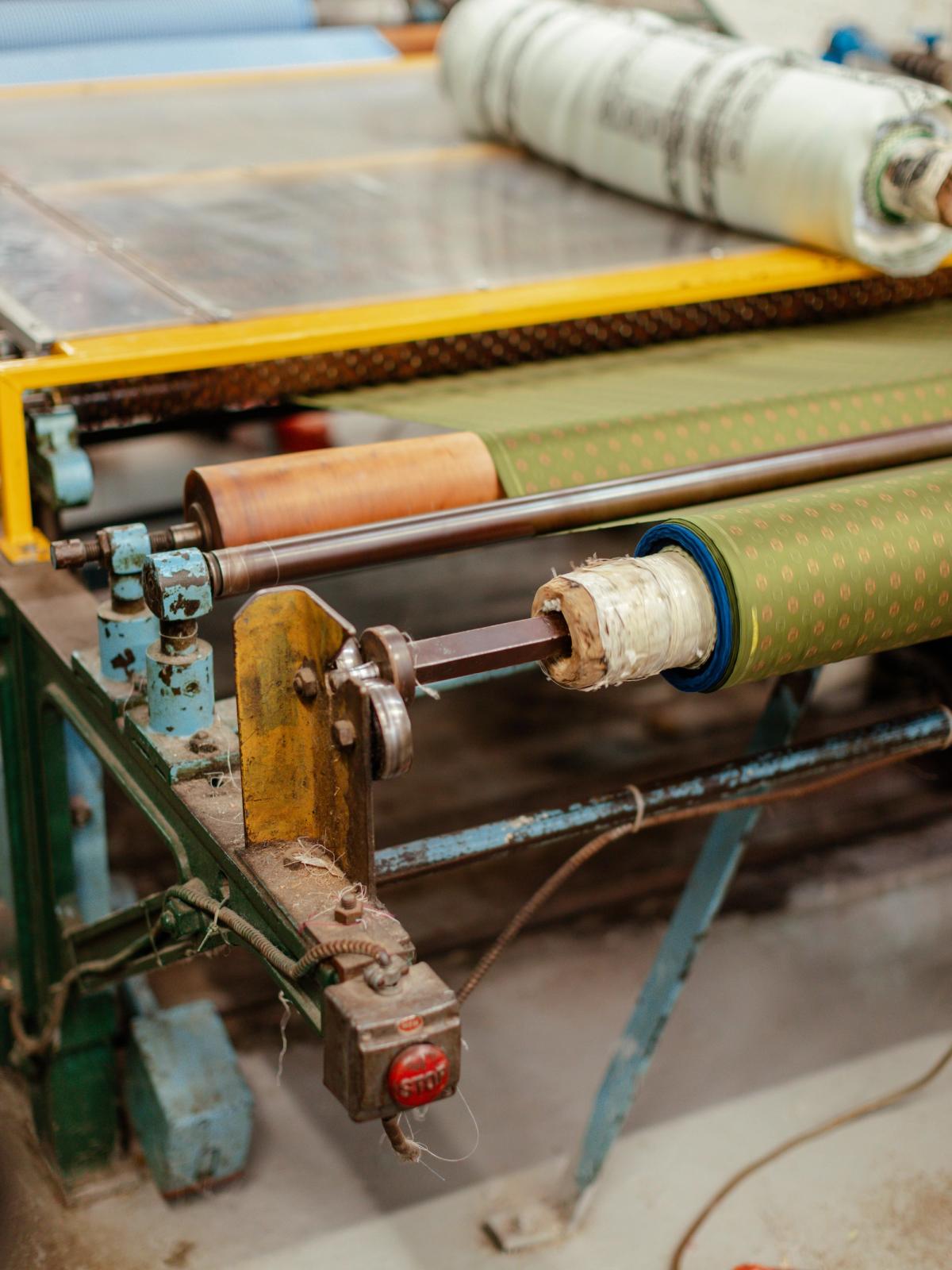
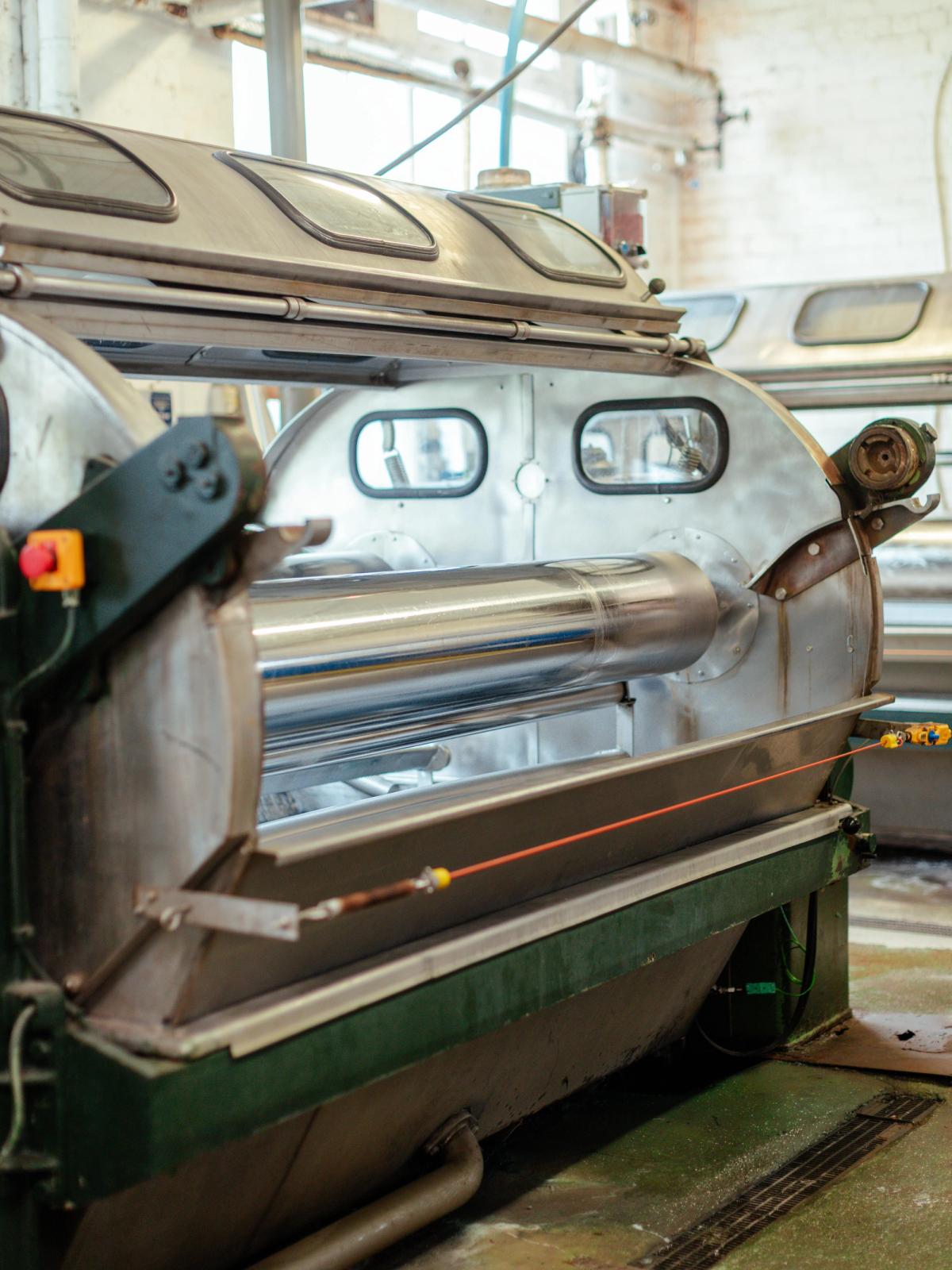
You notice the mills first. Driving into Macclesfield, you pass several crumbling buildings, the dilapidated mills of yesteryear, no longer functioning but a reminder of when “Silk Town” was lauded as the country’s biggest producer of finished silk. Then the road climbs out of town into a valley, and you find one that still works.
Silk has been part of life in Macclesfield since the 1700s, and the town was once the centre of the English silk-weaving industry and the world’s largest producer of finished silk. Geography helped. Good transport links, including the canal system that carried silk products to London, let the trade grow well beyond the local market. The surroundings mattered as well: Liberty’s account of the region credits the natural landscape for the supreme quality of local silk production.
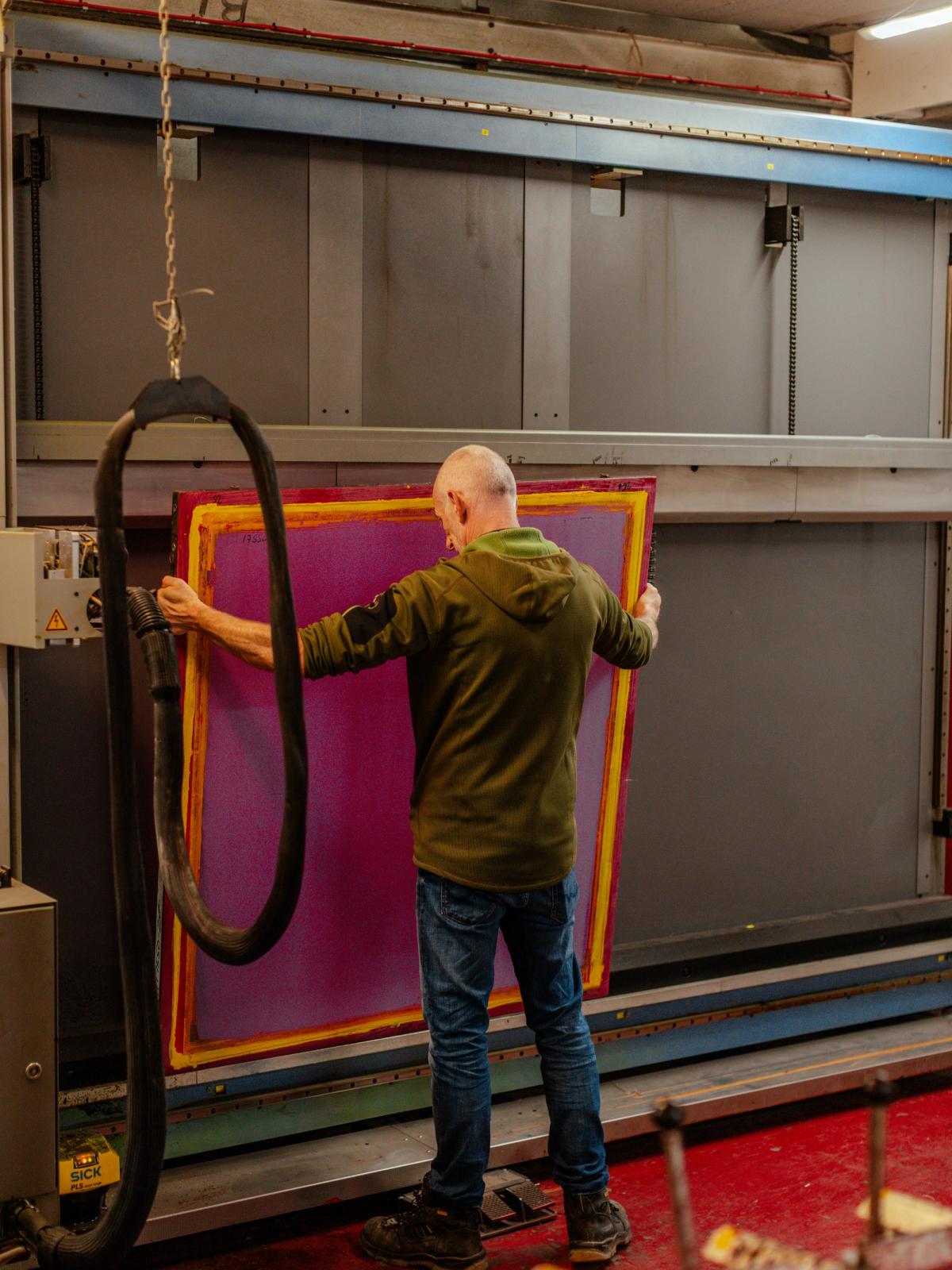
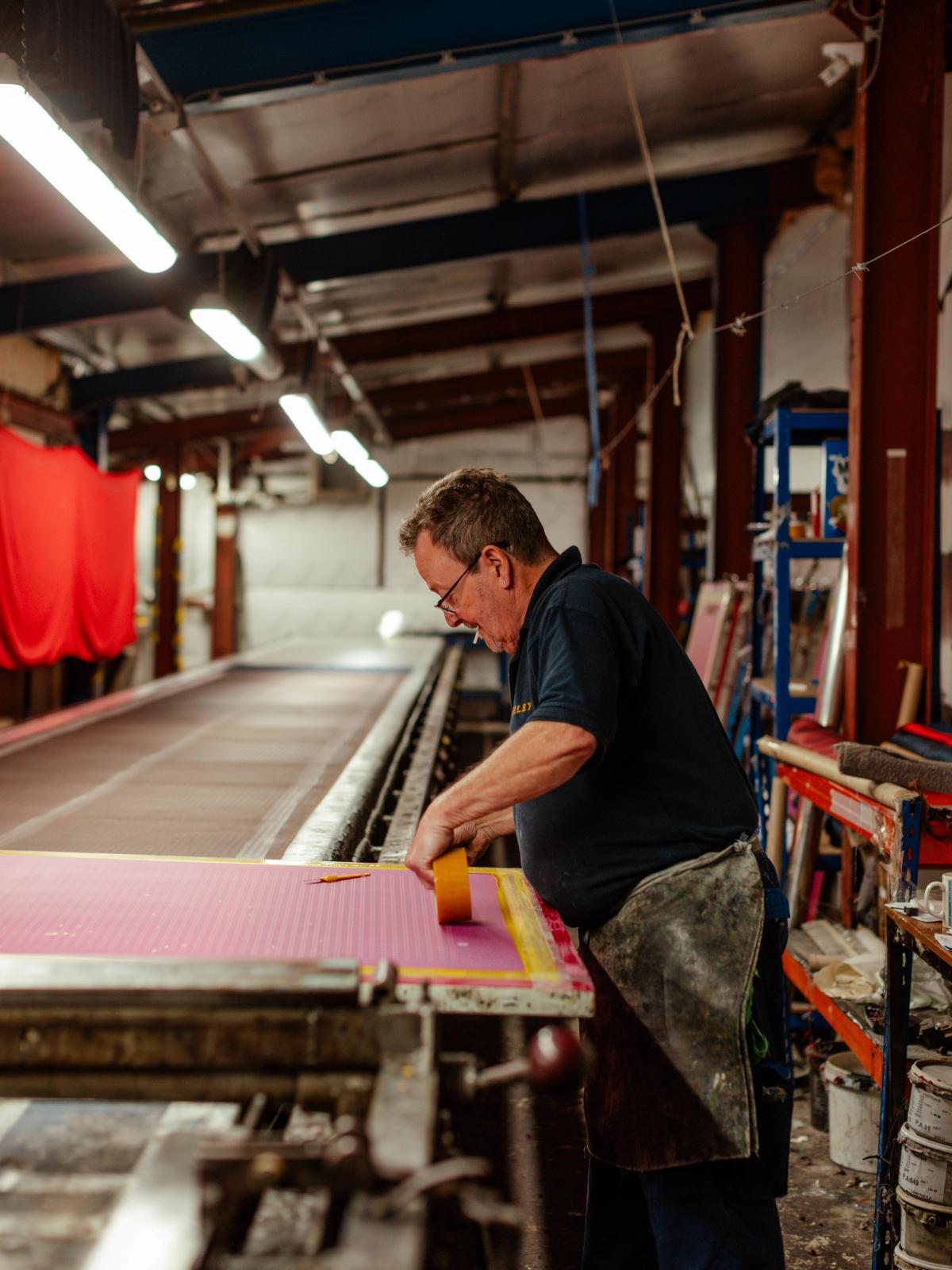
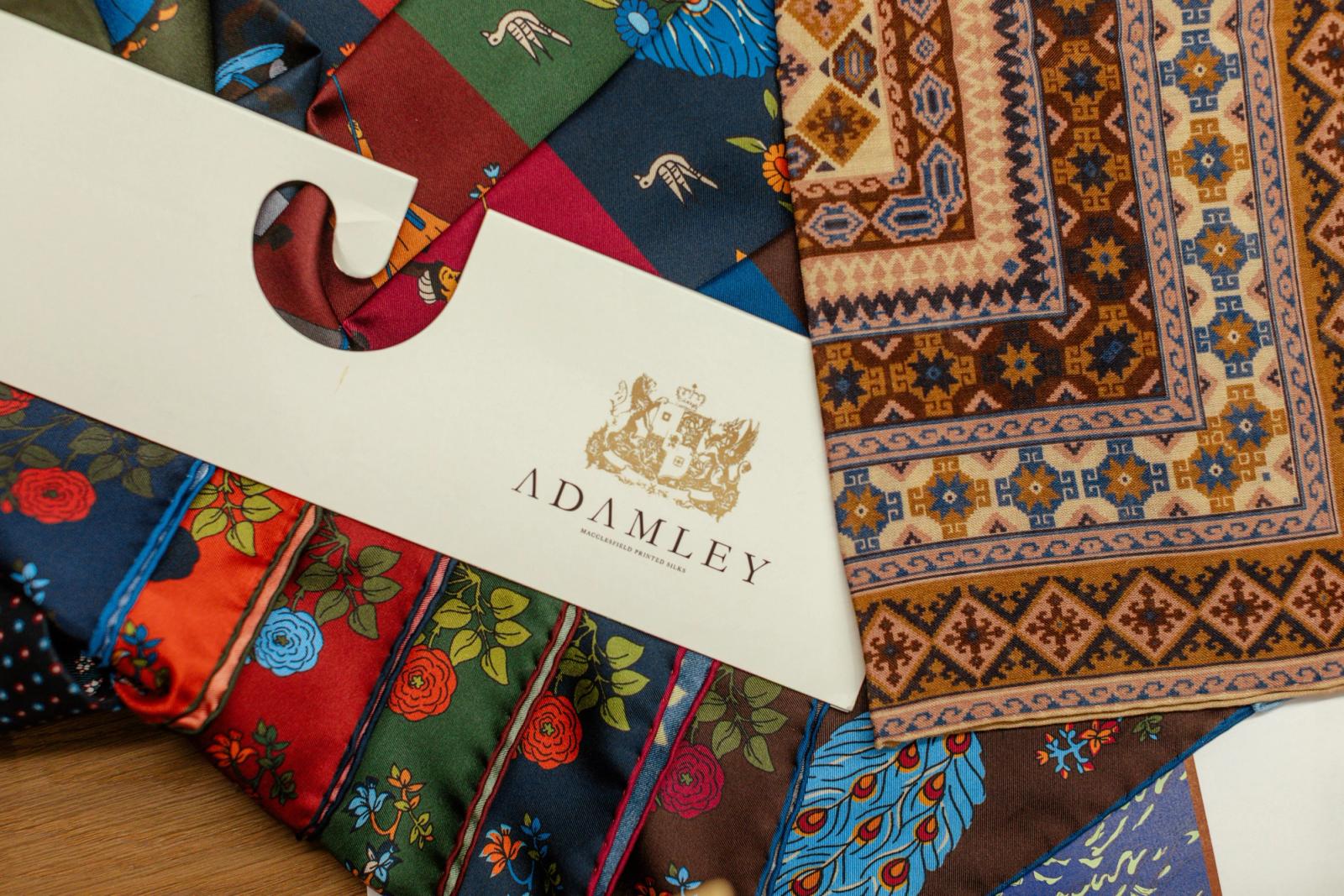
The trade shaped the town’s identity. Records show Macclesfield boomed in the 18th and 19th centuries on its silk manufacturing, and the “silk capital of England” label stuck. Synthetic fabrics and industrial change eroded that dominance over time. Adamley is now one of Macclesfield’s last silk mills and one of very few hand screen printers left in Britain.