Skip to content

Express Deliveries & Easy Returns

Baltzar

Why Is the Necktie Still Relevant in 2026?

Editorials · October 19, 2026 · Christopher Gustafsson

Modern Office Dress Codes

Walk into almost any office in North America or Western Europe today and you'll see a sea of open collars. Tech founders wear hoodies to shareholder meetings. Even black-shoe law firms and investment banks, once the last redoubts of formal dress, have loosened up. By most measures, the necktie should be dead. And yet it isn't. Sales figures fluctuate, but the tie has refused to disappear — and understanding why says as much about human psychology and ritual as it does about fashion.

Unlike almost every other article of clothing, the necktie does nothing. It doesn't keep you warm, protect your skin, or aid movement. If anything, it's mildly impractical: it can catch in machinery, restrict circulation if tied too tight, and serves no thermoregulatory function at all. This total lack of utility is actually central to its meaning. A tie signals that the wearer doesn't need their clothing to be useful — that they occupy a role defined by thought, authority, or ceremony rather than physical labor. That signal hasn't lost its power just because fewer people send it daily.
The Uniform of Occasion

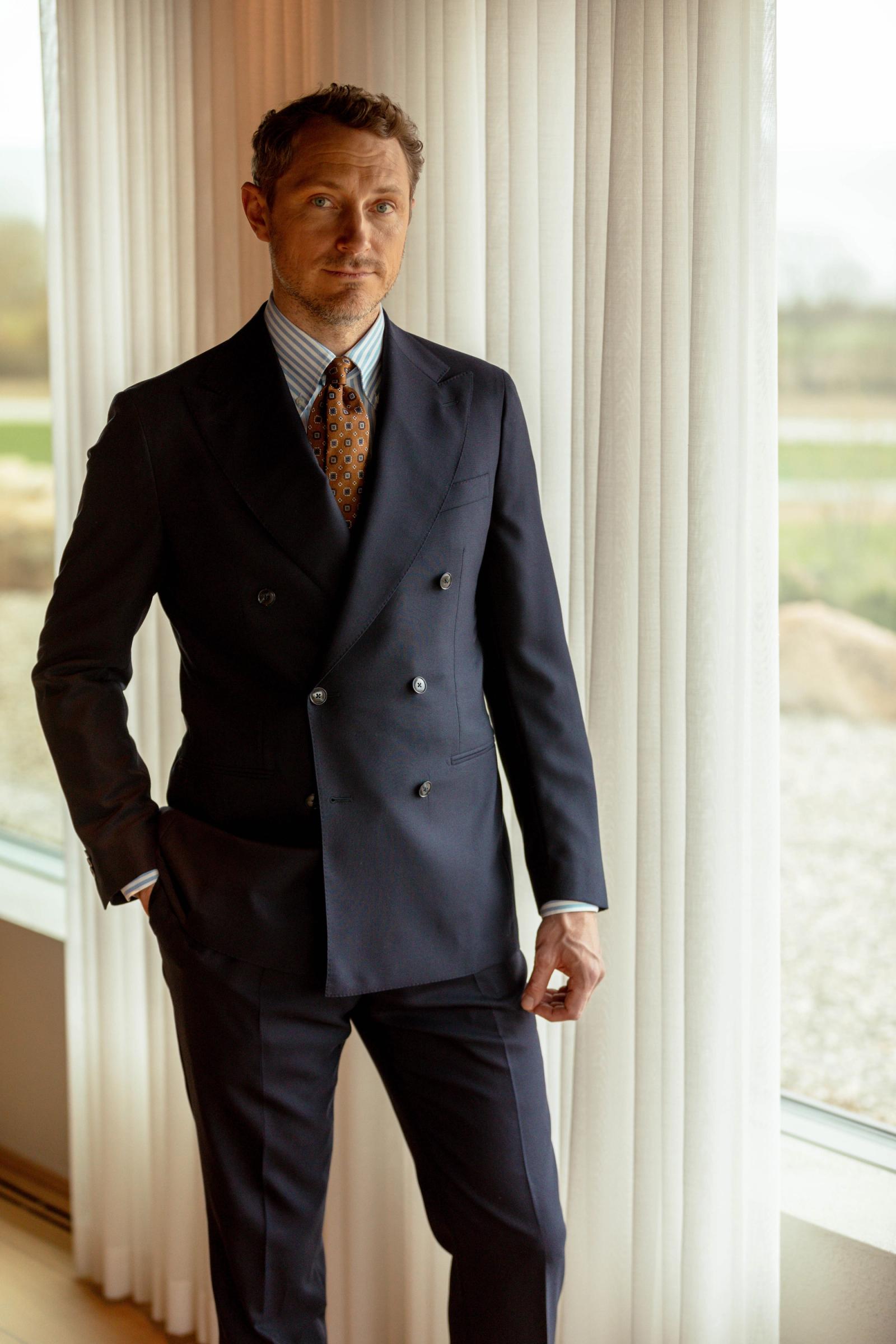
Even as everyday office dress has relaxed, certain moments have held firm as tie-required territory: weddings, funerals, court appearances, diplomatic functions, job interviews for certain industries, and graduations. These are precisely the moments when people want clothing to communicate seriousness and respect for the occasion rather than personal comfort. The necktie has become less an everyday uniform and more a ceremonial one — like a tuxedo or a wedding dress, worn rarely but meaningfully. Its rarity, paradoxically, may be reinforcing rather than eroding its symbolic weight.

When everyone dresses casually, the person who chooses formality stands out. In creative and tech industries where casual dress is the norm, a well-tied silk tie can now function as a countercultural statement — a way of standing apart from the crowd rather than conforming to it. Some younger professionals and menswear enthusiasts have embraced ties precisely because they're unusual, treating them the way a previous generation treated band t-shirts: a marker of personal taste and confidence rather than corporate compliance.

Neckties

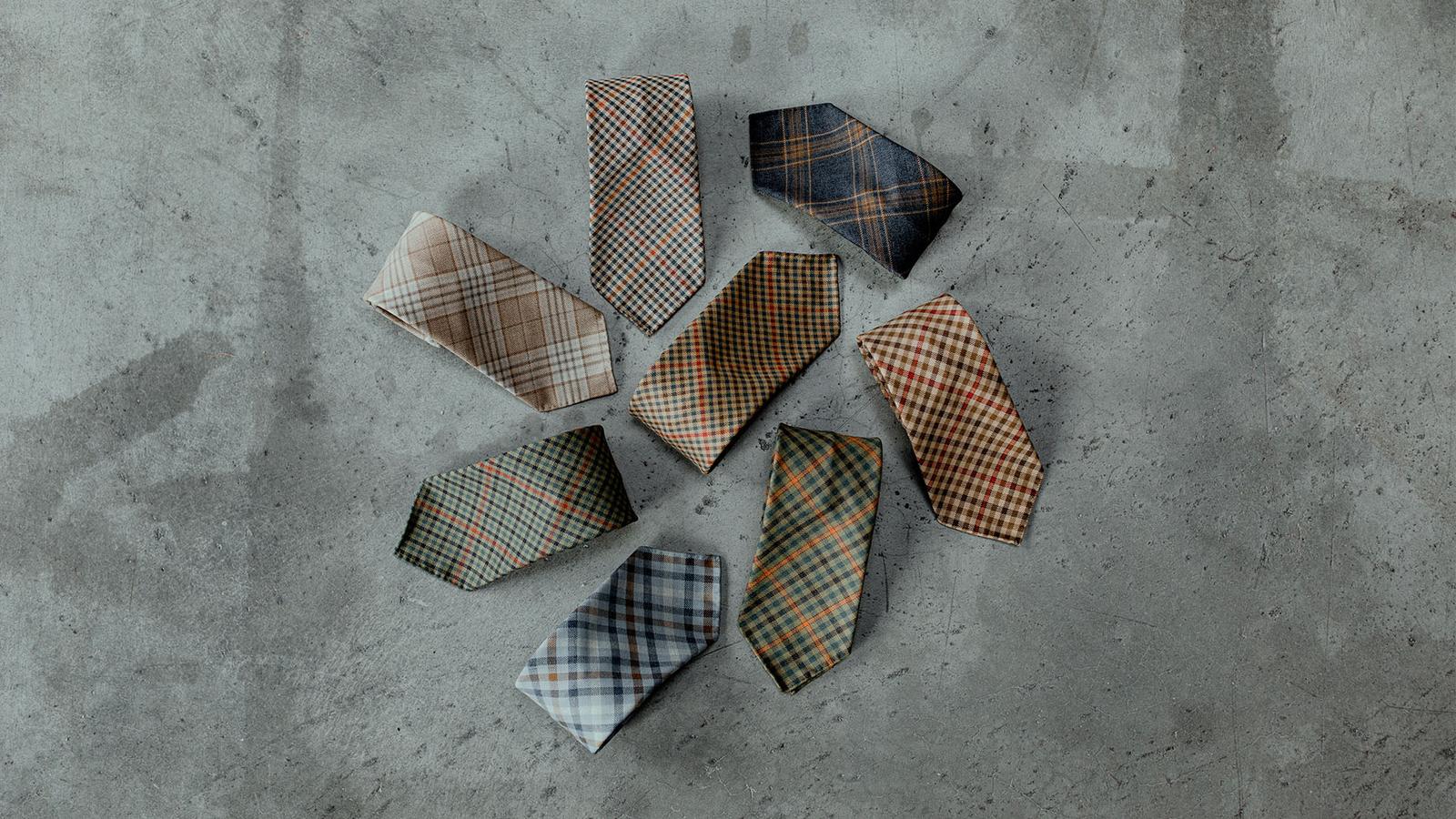
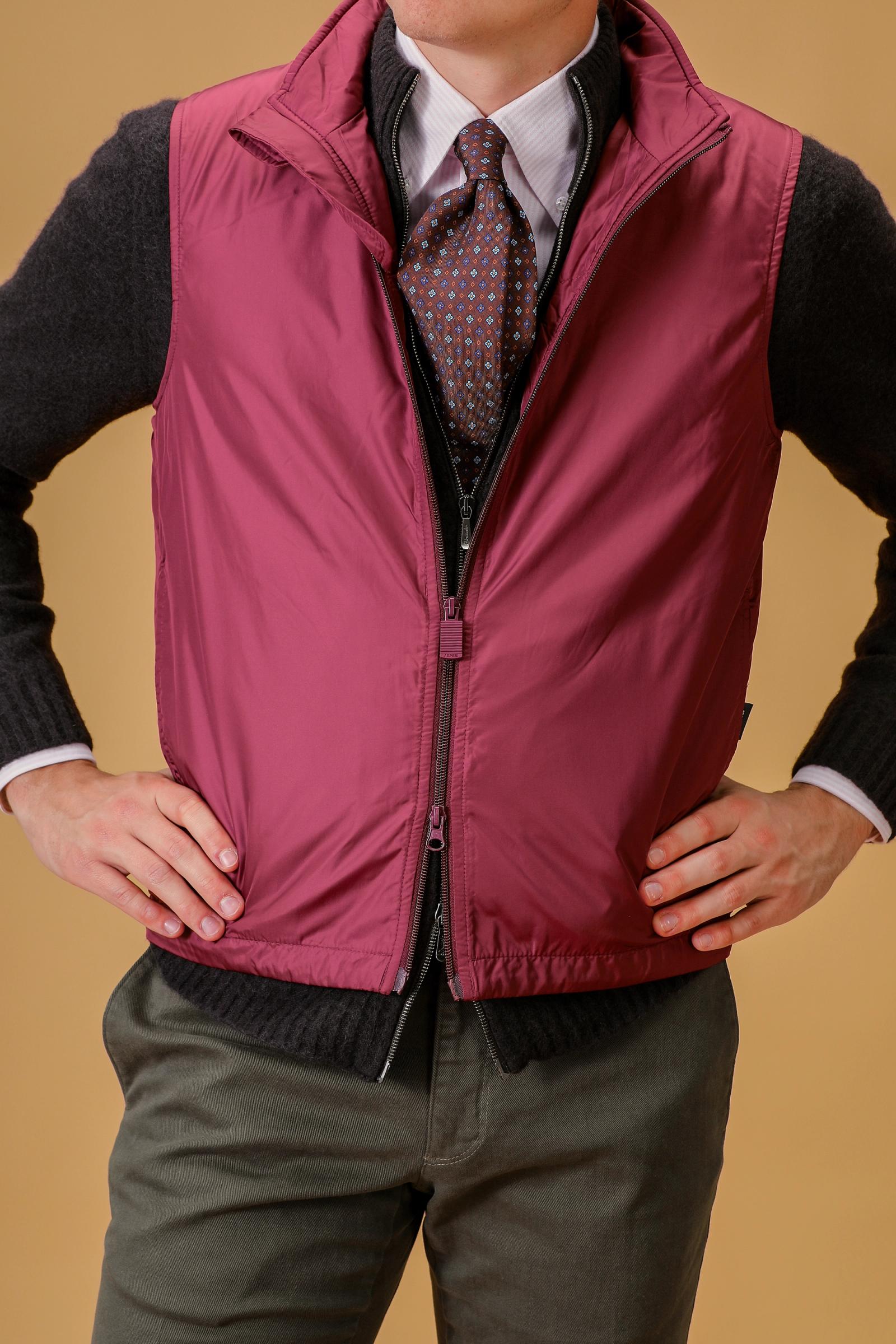
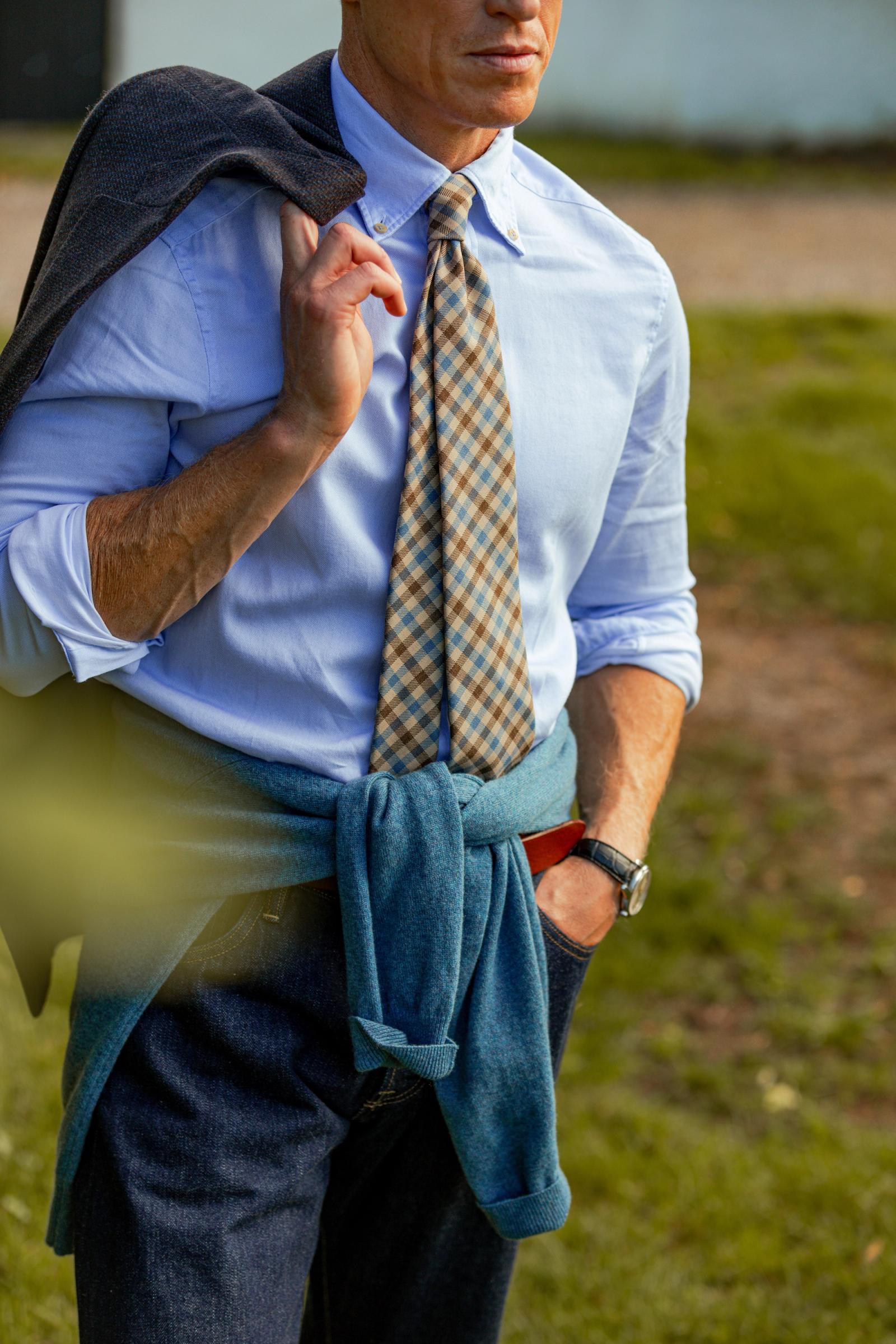
Although the tie is known for finishing off a more formal look, it can convey many expressions depending on composition and construction. A pure silk tie will give a more formal flair, while the rugged shantung or knitted cashmere tie can easily be worn in a more casual setting. The look of the necktie is also dependent on the matching shirt collar and tie knot.

Browse the collection

Craft, Collecting & Menswear Revival

Alongside the retreat of the tie from daily business wear, there's been a quieter parallel trend: a renewed appreciation for classic tailoring among menswear enthusiasts, vintage collectors, and a subculture that treats dressing well as a craft and hobby. Online communities dedicated to tailoring, fabric, and accessories have kept interest in ties alive as objects of appreciation — the weave of a grenadine silk, the hand-rolled edge of a seven-fold tie, the provenance of a vintage repp stripe. For this audience, the tie isn't corporate obligation; it's a small, wearable piece of craftsmanship.

Not every field loosened its collar. Law, government, diplomacy, high finance in many markets, luxury hospitality, and much of the funeral and religious sector have kept the tie as a baseline expectation. In client-facing or trust-dependent professions, formal dress continues to function as a nonverbal assurance: this person takes the interaction seriously. As long as those industries exist — and they show no sign of vanishing — there will be a steady, if smaller, market for neckwear.

A Symbol that Outlives Its Usage

Perhaps the most interesting reason the necktie persists is cultural inertia at the level of imagery. Decades of film, television, and advertising have cemented the tie as visual shorthand for "professional," "trustworthy," or "in charge." Politicians wear them precisely because voters still read them that way, even in an era when the politicians' own staffers may not. Corporate logos, business-themed emojis, and stock photography still default to a suited, tied figure to represent "work" in the abstract. Symbols can outlast the practices that created them, and the tie may be entering that afterlife — worn by fewer people daily, but still doing cultural work every time it appears in an image or on a stage.

The necktie in 2026 is not relevant in the way it was in 1986 — as a near-universal daily requirement for professional men. But relevance doesn't require necessity. The tie has narrowed into a more concentrated set of roles: ceremonial dress, a marker of formality in trust-based professions, a niche interest for craftsmanship enthusiasts, and a visual symbol still doing heavy lifting in media and branding. It has, in effect, traded breadth for depth, ultimately acting as a symbol of personal expression. That may be exactly what allows it to survive the next decade rather than disappear during it.

Tags:Necktie, Office Dress Codes

Related Articles

Menswear Style Icons: Alain Delon

Editorials · July 27, 2026 · Christopher Gustafsson
Dive into the life of Alain Delon - actor, charmer and menswear style icon. From the French Riviera to the big screen, Alain Delon always presented himself in style.
Read More

Menswear Style Icons: Cary Grant

Editorials · June 27, 2026 · Christopher Gustafsson
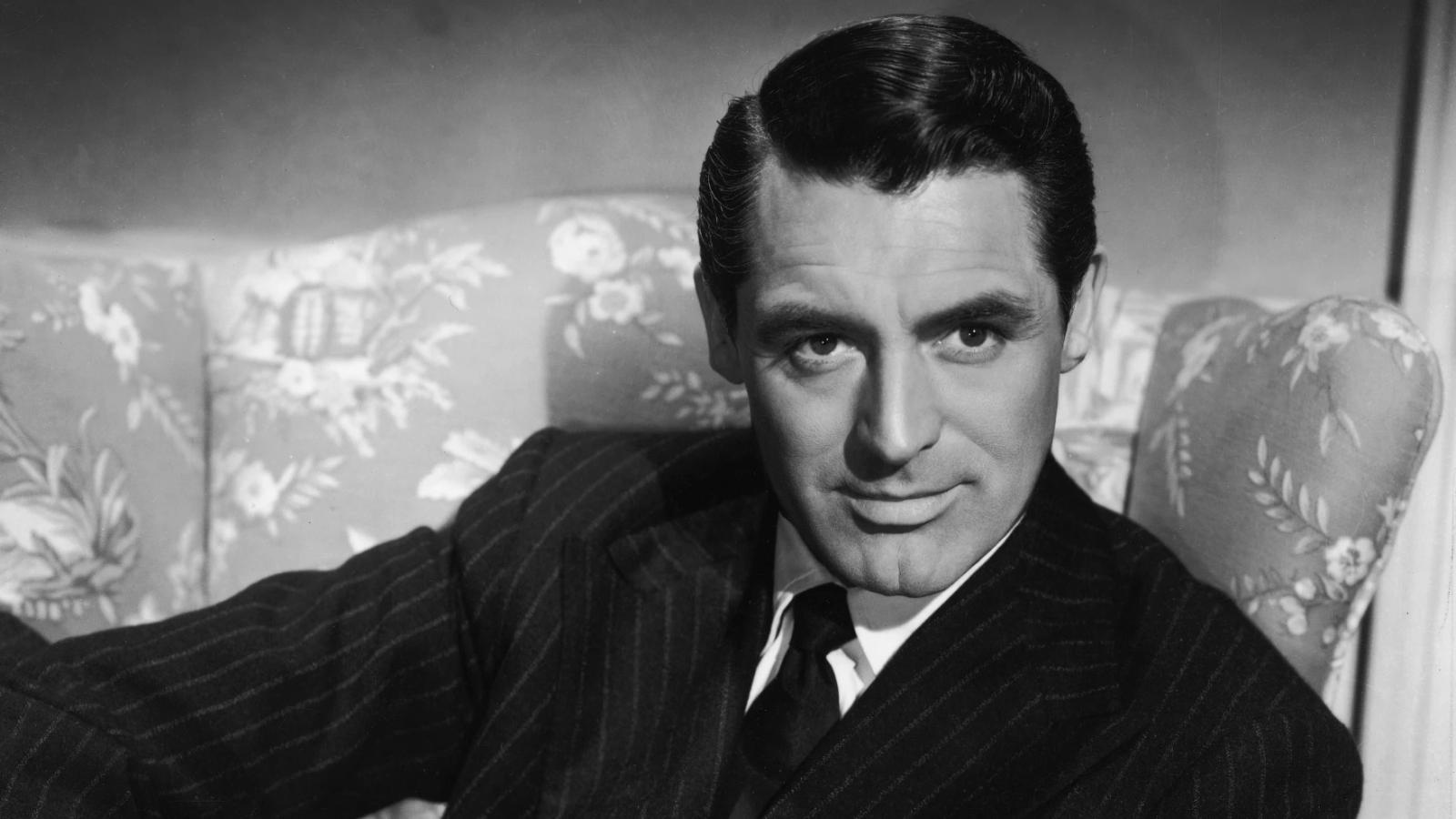
How Cary Grant turned a well-fitted suit into a philosophy — and why his understated approach to tailoring still defines classic menswear nearly a century later.
Read More