History & Heritage
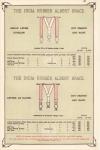
Albert Thurston brought his handmade braces to market in 1820 from an emporium at 27 Panton Street, Haymarket, London. The timing was no accident. Regency dandyism, led by Beau Brummell, had made snug, high-waisted, tightly cut trousers fashionable, and these needed support at the waist. The early design used tightly woven wool that formed an H across the wearer’s back. The straps were made from boxcloth wool, and this is the form of braces that was first mass produced.
Recognition came early. Thurston received an Honourable Mention at the Great Exhibition of 1851 for the standard of its products. Over the following decades, braces were standard male dress, because the high-cut trousers of the era made a belt impractical. Then came the First World War, when men grew used to uniform belts, and the brace’s dominance began to fade.
The company’s own story also includes a change of address. A 1994 trade source records that although the firm was founded in London in 1820, it has traded from Leicester since 1984, when Richard Kew bought the Thurston name. Leicester, a city with a long textile and elastic-weaving tradition, has been the working home of the brand ever since. The name stayed British, and the making stayed in England.