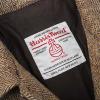

From Crofters' Looms to Country Estates
Tweed is one of those fabrics that seems to have been around forever, and in a sense it has. Rough, warm and hardwearing, it began as the everyday cloth of the Scottish Borders and Highlands, woven by farming families who needed something that could survive wind, rain and rough ground. Its character was shaped by the landscape: a fabric made from the wool of hardy hill sheep, built to keep the weather out.
The name itself comes from a happy accident. The cloth was traditionally called tweel, the Scots word for twill, which describes the diagonal weave common in woolen fabrics. According to the most popular account, in the 1830s, a London merchant misread the word in a letter as tweed, perhaps influenced by the River Tweed that flows through the Borders, where much of the cloth was made. The merchant marketed it under that name, and the name stuck.
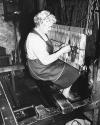
For centuries before that, weaving was a household craft. Wool was spun and woven at home, then washed and pounded in a process known as waulking, in which groups of women, often singing as they worked, thumped the wet cloth to shrink and thicken it. The result was dense and water-resistant, with a natural oiliness that helped shed rain. Early colors came from local plants, lichens and minerals, which is why traditional tweeds look like the moorland itself: heathery purples, peaty browns, mossy greens and the grey of wet stone.